
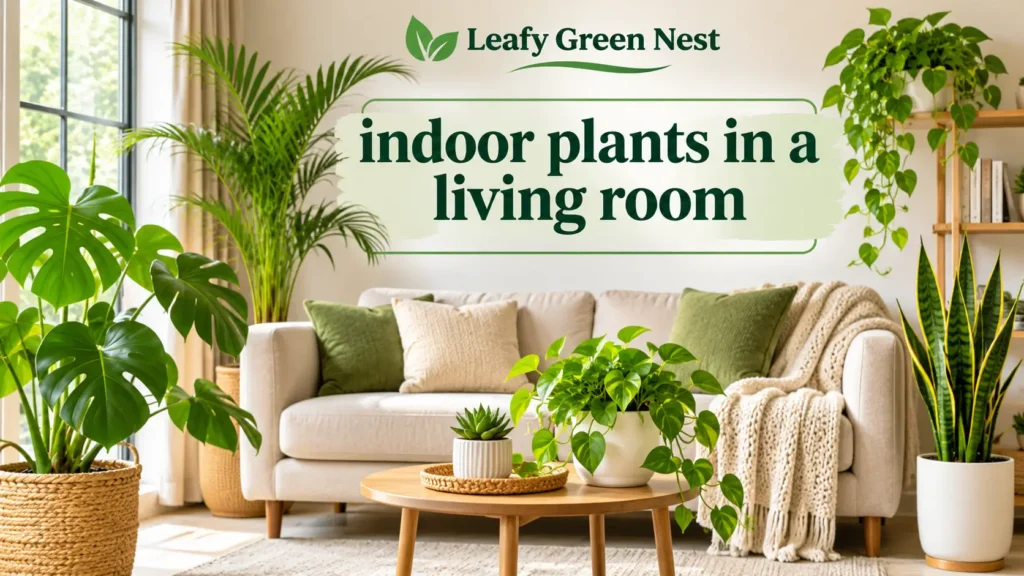
Indoor plants in a living room can transform an ordinary space into a fresh, relaxing, and welcoming environment. From tall statement plants to small tabletop greenery, the right houseplants add natural beauty, color, and personality to your home.
You do not need a large house, expensive furniture, or a professional interior designer to create a beautiful green living room. A few carefully selected plants, attractive planters, and thoughtful placement can make a significant difference.
The secret is choosing plants that match your room’s natural light, available space, and maintenance routine. Some plants thrive near bright windows, while others tolerate lower-light conditions and need less frequent watering.
In this article, you will discover the best indoor plants in a living room, including tall, large, small, and low-maintenance varieties. You will also learn how to arrange plants, choose suitable pots, care for indoor greenery, and avoid common decorating mistakes.
Disclosure: This post contains affiliate links. If you purchase through these links, I may earn a small commission at no extra cost to you.
Table of Contents
What Are Indoor Plants in a Living Room?
Indoor plants in a living room are houseplants grown inside the home to add natural greenery and improve the appearance of an indoor space. They can be displayed on floors, shelves, coffee tables, windowsills, plant stands, and hanging baskets.
Popular choices include monstera, snake plants, peace lilies, pothos, rubber plants, and areca palms. The best varieties depend on lighting, room temperature, available space, and how much time you can spend caring for them.


Key Takeaways
- Choose plants according to your living room’s natural lighting.
- Use tall plants to decorate empty corners and vertical spaces.
- Place large plants beside sofas or near suitable windows.
- Use small plants on coffee tables, shelves, and side tables.
- Select low-maintenance varieties if you have a busy lifestyle.
- Combine different plant heights and leaf shapes for visual interest.
- Choose attractive planters that complement your interior style.
- Check plant toxicity before bringing greenery into homes with pets.
- Avoid overwatering and always consider proper drainage.
Best Indoor Plants in a Living Room
The best indoor plants combine attractive foliage with manageable care requirements. Some create beautiful focal points, while others add greenery to small spaces without taking up much room.
Here are popular houseplants that suit different living room sizes, decorating styles, and lighting conditions.
| Plant | Main attraction | Light requirement | Maintenance |
|---|---|---|---|
| Monstera | Large split leaves | Bright indirect | Moderate |
| Snake Plant | Upright foliage | Low to bright indirect | Easy |
| Areca Palm | Tropical appearance | Bright indirect | Moderate |
| Rubber Plant | Glossy leaves | Bright indirect | Moderate |
| Peace Lily | White flowers | Medium indirect | Moderate |
| Pothos | Trailing foliage | Low to bright indirect | Easy |
| ZZ Plant | Shiny leaves | Low to bright indirect | Easy |
| Fiddle-Leaf Fig | Large decorative leaves | Bright indirect | Higher |
| Spider Plant | Arching foliage | Bright indirect | Easy |
| Parlor Palm | Compact tropical growth | Low to medium indirect | Easy |
Monstera Deliciosa
Monstera deliciosa is one of the most popular indoor plants for modern living rooms. Its large, naturally split leaves create a tropical appearance and make it an attractive decorative feature.
Place it beside a bright window where it receives indirect light. Use a well-draining potting mix, provide support as it grows, and allow the upper soil layer to dry slightly before watering again.
Artificial Monstera Deliciosa Plant 5FT - Faux Tropical Palm Tree with White Tall Planter - Fake Swiss Cheese Floor Plant Potted - Artificial Tree for Home...
Snake Plant
Snake plants are excellent for people who prefer attractive greenery without complicated care routines. Their tall, upright leaves add structure and work particularly well in narrow corners.
They tolerate lower-light conditions, although brighter indirect light generally supports better growth. Allow the soil to dry thoroughly between watering sessions.
3FT 2-Pack Artificial Snake Plants, Fake Sansevieria Indoor Outdoor
Areca Palm
Areca palms have soft, feather-like leaves that create a tropical and relaxing atmosphere. Their spreading foliage looks beautiful beside sofas, large windows, and spacious corners.
They prefer bright, indirect light and evenly moist but well-draining soil. Avoid allowing the roots to sit in standing water.
Artificial Palm Trees 6FT Tall Fake Palm Tree Indoor,Faux Tropical Areca Floor Plant with Black Planter, Fake Silk Plants in Pot for Home Office Living Room...
Rubber Plant
Rubber plants, also known as Ficus elastica, feature thick, glossy leaves that add elegance to contemporary interiors. Green, burgundy, and variegated varieties offer different decorating possibilities.
Place them in bright, indirect light and water when the upper soil begins to dry. Their upright growth makes them suitable for decorative floor planters.
17" Artificial Rubber Plant in Black Pot, Faux Ficus Plant Potted with Cream White Edge Foliages, Fake Greenery Plant for Home Office Tropical Decor
Peace Lily
Peace lilies feature dark green foliage and elegant white flowers. Their simple appearance works well in minimalist, traditional, and modern living rooms.
They prefer indirect light and slightly moist soil. Keep them away from pets because they contain calcium oxalate crystals that can cause irritation if chewed.
Nearly Natural 42 in Artificial Spathiphyllum Peace Lily Real Touch Plant
Pothos
Pothos is a beautiful trailing houseplant with heart-shaped leaves. It works particularly well on floating shelves, bookcases, and hanging planters.
It tolerates different indoor lighting conditions, although bright indirect light usually produces healthier growth. You can also propagate it using healthy stem cuttings.
Trailing Artificial Pothos Plant with Ceramic Pot, Potted Faux Greenery with Adjustable Drooping Vines,Fake Houseplant for Home Office High Shelf, Cabinet...
ZZ Plant
The ZZ plant has thick stems and attractive, glossy leaves. It is an excellent choice for beginners because it tolerates lower light and occasional missed watering.
Its underground rhizomes store water, helping the plant withstand periods of dryness. Avoid keeping its soil constantly wet.
Nearly Natural 28 in Artificial ZZ Plant with Planter for Home Office Decor
Tall Indoor Plants in a Living Room
Tall indoor plants in a living room help fill empty corners, decorate vertical spaces, and create attractive focal points. They are particularly useful in homes with high ceilings, spacious layouts, and large windows.
The right tall plant can make a plain corner look complete without adding unnecessary furniture.
Best Tall Plants for Living Room Corners
- Areca Palm: Adds soft, tropical greenery and works beautifully beside sofas.
- Bird of Paradise: Features oversized leaves that create a dramatic appearance.
- Dracaena Marginata: Has slender stems and narrow leaves, making it suitable for smaller corners.
- Fiddle-Leaf Fig: Creates a striking decorative feature in bright living rooms.
- Rubber Plant: Provides thick foliage and an attractive upright shape.
How to Decorate with Tall Plants
Place a tall plant beside an empty corner or near a suitable window. Choose a planter that complements your furniture, curtains, and flooring.
Keep enough distance around the plant so its leaves can spread naturally. Use a stable, appropriately sized planter to prevent taller plants from tipping over.
A useful decorating approach is to select one statement plant instead of filling every corner with large greenery.
Large Indoor Plants in a Living Room
Large indoor plants in a living room are excellent for spacious interiors because they introduce natural shapes, texture, and visual depth. Some varieties can grow several feet tall under suitable conditions.
They work particularly well in open-plan homes where smaller decorative plants might look out of proportion.
Best Large Indoor Plants and Trees
| Plant | Best placement | Main attraction |
|---|---|---|
| Bird of Paradise | Bright corner | Oversized tropical leaves |
| Monstera | Near a bright window | Split foliage |
| Rubber Plant | Beside furniture | Glossy leaves |
| Fiddle-Leaf Fig | Bright open area | Sculptural foliage |
| Indoor Olive Tree | Very bright location | Mediterranean appearance |
| Dracaena | Living room corner | Tall, narrow growth |
Before buying a large plant, measure your available space and check its expected mature height. Consider its growth pattern, lighting requirements, and watering needs.
For example, an indoor olive tree generally needs much stronger light than a snake plant or ZZ plant. It may struggle in a shaded living room.
Expert tip: Use large plants to balance oversized furniture. A tall plant beside a large sofa can create a more proportionate and visually balanced arrangement.
Small Indoor Plants in a Living Room
Small indoor plants in a living room are perfect for apartments, compact homes, and areas where floor space is limited. They add natural color without making the room feel crowded.
You can place them on coffee tables, bookshelves, windowsills, side tables, and decorative plant stands.
Best Small Plants for Living Room Decoration
Peperomia: Peperomia plants come in several attractive varieties and are ideal for shelves and side tables. Their compact growth makes them easy to display.
Succulents: Succulents have interesting shapes and thick leaves. Most varieties prefer bright light and well-draining soil.
Aloe Vera: Aloe has fleshy leaves and looks attractive in simple terracotta pots. It prefers bright light and infrequent watering.
Mini Snake Plant: Smaller snake plant varieties are suitable for narrow spaces and decorative corners.
Spider Plant: Young spider plants have attractive arching leaves and small hanging plantlets that add visual interest.
Small Plant Decoration Tips
- Use matching pots for a coordinated appearance.
- Group plants with different heights and leaf shapes.
- Place trailing plants on higher shelves.
- Use small stands to create different levels.
- Choose compact containers for coffee tables.
- Avoid overcrowding shelves and decorative surfaces.
Low Maintenance Best Indoor Plants for Living Room
Low maintenance best indoor plants for living room spaces are ideal for people with busy schedules or limited gardening experience. These plants generally tolerate occasional care mistakes better than sensitive tropical varieties.
Snake plants, ZZ plants, pothos, cast iron plants, and spider plants are practical options for beginners.
| Plant | Light preference | Watering needs |
|---|---|---|
| Snake Plant | Low to bright indirect | Allow soil to dry |
| ZZ Plant | Low to bright indirect | Let soil dry thoroughly |
| Pothos | Low to bright indirect | Water when upper soil dries |
| Cast Iron Plant | Low to medium indirect | Water when soil begins drying |
| Spider Plant | Bright indirect | Water when upper soil dries |
Remember that low-light tolerant does not mean no-light tolerant. Even easy-care plants need natural daylight or suitable artificial grow lighting.
For an especially simple collection, combine a snake plant in a floor planter, a ZZ plant in a decorative corner, and pothos on a shelf.
Indoor Plants Decoration Ideas in Living Room
Indoor plants decoration ideas in living room designs can be simple, affordable, and stylish. The best arrangements combine different plant heights, leaf shapes, decorative containers, and suitable placement.
You can create an attractive indoor garden without changing your furniture or spending money on expensive decorations.
Place Plants Beside the Sofa
A tall rubber plant or areca palm can fill an empty area beside your sofa. Choose a decorative planter that matches your furniture or curtains.
For smaller spaces, use a compact snake plant or parlor palm. Make sure the leaves do not block walkways or interfere with everyday activities.
Create a Green Shelf
Floating shelves provide an excellent place to display small indoor plants. Arrange pothos, peperomia, and small snake plants alongside books and simple decorative objects.
Mix upright and trailing plants to create a more natural arrangement. Avoid placing heavy planters on shelves that are not securely installed.
Decorate the Coffee Table
A small succulent arrangement or peperomia plant can add greenery without taking over the table. Choose a compact pot that leaves enough room for everyday use.
You can also use a small decorative tray to group a plant with a candle or other simple accessories.
Use Hanging Planters
Hanging pothos and spider plants add greenery without using valuable floor space. They are particularly useful in apartments and smaller living rooms.
Make sure the ceiling hooks are secure and the plants receive enough natural light. Avoid placing hanging pots where people might bump into them.
Create a Plant Corner
Group three or four plants of different heights in one corner. Combine a large floor plant, a medium plant on a stand, and a small tabletop variety.
This creates visual depth and makes the arrangement look intentional rather than crowded.
Decorate the Window Area
Windows are useful locations for plants that need bright natural light. Place suitable varieties near the window and adjust their position if the sunlight becomes too intense.
Remember that not every plant enjoys direct sunlight. Check individual lighting requirements before choosing a location.
Match Planters with Your Interior Style
The right planter can make an ordinary houseplant look like an intentional design feature.
| Interior style | Recommended planter |
|---|---|
| Minimalist | White or neutral ceramic |
| Modern | Matte black or geometric |
| Bohemian | Woven baskets |
| Rustic | Terracotta or natural clay |
| Scandinavian | Light wood and cream pots |
| Luxury | Stone-effect or textured pots |
Expert tip: Choose two or three main planter colors and repeat them throughout the room. This creates a coordinated appearance without making the space look overly decorated.
How to Choose Indoor Plants Based on Living Room Lighting
Lighting is one of the most important factors when choosing indoor plants. A plant may look perfect in a particular corner but struggle if that location does not provide enough light.
Understanding the difference between bright indirect light, low light, and direct sunlight will help you choose healthier plants.
Bright Indirect Light
Bright indirect light means a plant receives plenty of natural daylight without strong direct sunlight hitting its leaves.
Suitable plants include:
- Monstera
- Rubber Plant
- Areca Palm
- Peace Lily
- Spider Plant
Low-Light Areas
Some living rooms have small windows or shaded corners. Choose plants that tolerate lower-light conditions.
Good choices include:
- Snake Plant
- ZZ Plant
- Cast Iron Plant
- Parlor Palm
These plants may grow more slowly in darker areas. No common houseplant can grow indefinitely without light.
Direct Sunlight
Some plants enjoy direct sunlight, while others can develop scorched or discolored leaves.
Suitable choices for brighter windows include aloe vera, jade plants, and many succulents. Use sheer curtains if the sunlight becomes too intense.
How to Arrange Indoor Plants in a Living Room
Arranging plants properly helps create a balanced and attractive interior. Instead of placing every plant in one area, distribute greenery throughout the room.
Use a combination of floor plants, tabletop varieties, and trailing greenery to create a natural arrangement.
Follow a Simple Plant Arrangement Method
- Start with one large plant: Choose a statement plant for an empty corner.
- Add medium-sized plants: Place them beside furniture or on plant stands.
- Include smaller plants: Use shelves, coffee tables, and side tables.
- Add a trailing plant: Let pothos or spider plants grow from elevated positions.
- Coordinate the pots: Choose containers that complement your existing furniture.
- Leave breathing space: Avoid filling every empty area with plants.
Use the Three-Height Decorating Method
A simple decorating trick is to use three different plant heights.
- Tall: A large floor plant such as a rubber plant.
- Medium: A plant placed on a wooden stand.
- Small: A compact plant on a table or shelf.
This arrangement creates visual depth and makes your indoor plant collection look more organized.
How to Care for Indoor Plants in a Living Room
Indoor plants need the right combination of light, water, soil, and temperature to remain healthy. A few simple habits can prevent many common plant problems and keep your greenery attractive.
Water According to Plant Requirements
Do not water every plant on the same schedule. Check the soil with your finger before watering, and wait if the upper layer is still wet.
Plants such as snake plants and ZZ plants prefer their soil to dry considerably between watering sessions. Peace lilies generally prefer more consistent moisture.
Use Pots with Drainage Holes
Drainage holes allow excess water to escape and help prevent root rot. If you prefer decorative pots without holes, keep the plant in a separate nursery pot with drainage.
Remove excess water from decorative outer containers and saucers after watering.
Choose Suitable Potting Soil
Different plants need different soil conditions.
- Succulents need a fast-draining soil mix.
- Tropical foliage plants generally prefer an airy, moisture-retaining mix.
- Orchids need a specialized orchid growing medium.
- Snake plants need soil that drains quickly.
Avoid using heavy garden soil for most indoor potted plants because it can retain too much moisture.
Clean the Leaves
Dust can collect on indoor plant leaves and affect their appearance. Gently wipe larger leaves with a soft, damp cloth and remove dead foliage with clean scissors.
Clean leaves also make it easier to notice early signs of pests.
Watch for Pests
Check leaves and stems regularly for mealybugs, spider mites, aphids, scale insects, and fungus gnats.
Isolate affected plants when necessary and use an appropriate treatment for the specific pest. Avoid applying random household chemicals to plant leaves.
Adjust Care During Different Seasons
Plants may need different amounts of water throughout the year. During warmer, brighter months, many houseplants grow faster and use more water.
During cooler months, growth may slow, so watering needs often decrease. Always check the soil instead of following a fixed calendar.
For more detailed growing advice, read the Royal Horticultural Society’s houseplant care guide.
Common Mistakes to Avoid When Decorating with Indoor Plants
Even attractive plants can struggle when they are placed or maintained incorrectly. Understanding common mistakes helps you keep your living room greenery healthy and attractive.
| Common mistake | Better approach |
|---|---|
| Overwatering | Check soil moisture first |
| Choosing plants only for appearance | Consider light and care needs |
| Crowding plants together | Leave room for healthy growth |
| Using pots without drainage | Choose pots with drainage holes |
| Placing plants in dark corners | Select low-light tolerant varieties |
| Ignoring mature plant size | Check expected growth before buying |
| Keeping plants near hot air vents | Choose a stable location |
| Ignoring pests | Inspect leaves regularly |
Why Are Indoor Plants Dying?
The most common reasons include excessive watering, insufficient light, poor drainage, temperature changes, and pest problems.
If a plant develops yellow leaves, do not immediately assume it needs more water. Check the soil, roots, and lighting conditions first.
How to Fix Common Indoor Plant Problems
| Plant problem | Possible cause | What to do |
|---|---|---|
| Yellow leaves | Overwatering or natural aging | Check soil and remove damaged leaves |
| Brown leaf tips | Dry air, salts, or inconsistent watering | Review humidity and watering |
| Drooping leaves | Water stress or root problems | Check soil moisture |
| Soft stems | Possible root rot | Inspect roots and improve drainage |
| Slow growth | Insufficient light | Move to a brighter suitable location |
| Small insects | Pest infestation | Isolate and treat the plant |
Avoid changing several care conditions at once. Make one adjustment, monitor the plant, and give it time to respond.
Are Indoor Plants Good for Air Quality and Bedroom Oxygen?
Indoor plants are often associated with cleaner air, relaxation, and healthier indoor environments. However, their actual effect on indoor air quality is more limited than many popular claims suggest.
Do Indoor Plants Purify the Air?
Plants can absorb certain gases and take part in natural air exchange. However, ordinary numbers of potted plants have not been shown to replace proper ventilation or air filtration in typical homes.
If indoor air quality is a concern, prioritize fresh-air ventilation, controlling pollution sources, and suitable air filtration.
Which Plants Are Popular for Bedroom Oxygen?
Common choices include snake plants, areca palms, aloe vera, spider plants, and peace lilies.
Plants perform photosynthesis when they receive suitable light. However, adding a few plants to a bedroom does not meaningfully increase oxygen levels or replace fresh-air ventilation.
Choose bedroom plants for their appearance, care requirements, and suitability for your household rather than exaggerated oxygen claims.
Indoor Plant Safety for Homes with Pets and Children
Before buying indoor plants, check whether they are safe for pets and young children. Some popular decorative houseplants can cause irritation or poisoning if chewed or swallowed.
For example, pothos, snake plants, peace lilies, and monstera can be harmful to cats or dogs.
Common Pet-Friendly Plant Choices
- Spider Plant
- Parlor Palm
- Areca Palm
- Boston Fern
Always verify the exact botanical species before purchasing because common plant names can refer to different varieties.
Indoor Plant Safety Checklist
- Check plant toxicity before purchasing.
- Keep potentially toxic plants away from pets and children.
- Remove fallen leaves promptly.
- Do not assume a plant is safe because it is natural.
- Contact a veterinarian if a pet eats a potentially toxic plant.
Pros and Cons of Indoor Plants in a Living Room
Indoor greenery offers several decorating benefits, but it also comes with some responsibilities. Understanding both sides can help you decide which plants suit your home and lifestyle.
| Pros | Cons |
|---|---|
| Makes interiors more attractive | Requires regular care |
| Adds natural color and texture | Some varieties need specific lighting |
| Creates a relaxing atmosphere | Can attract pests |
| Offers many decorating possibilities | Large plants take up space |
| Provides a rewarding hobby | Some plants are toxic to pets |
| Complements different interior styles | Soil and water can create mess |
The best approach is to start with a few easy-care varieties and gradually expand your collection as you become more comfortable with indoor gardening.
Budget-Friendly Indoor Plant Decoration Ideas
You do not need expensive plants or designer containers to create a beautiful indoor garden. A few affordable choices can make your living room look fresh and stylish.
Try these simple ideas:
- Reuse decorative baskets: Place a waterproof nursery pot inside a woven basket.
- Use wooden plant stands: Elevate small plants to create different heights.
- Propagate pothos: Grow new plants from healthy stem cuttings.
- Choose terracotta pots: They offer a natural look and suit many interior styles.
- Group small plants: Combine affordable varieties instead of purchasing one expensive statement plant.
- Use vertical space: Add wall shelves or hanging planters to save floor space.
For apartments and compact homes, vertical arrangements are particularly useful because they allow you to enjoy greenery without sacrificing valuable floor space.
How Many Indoor Plants Should You Have in a Living Room?
There is no fixed number of plants that every living room needs. The ideal number depends on room size, available daylight, furniture arrangement, and how much maintenance you can manage.
Use the following suggestions as a starting point rather than strict rules.
| Living room size | Suggested starting collection |
|---|---|
| Small apartment | 2–4 plants |
| Medium living room | 4–7 plants |
| Large living room | 6–10 plants |
| Spacious open-plan room | 8–12 plants |
These are decorating suggestions, not gardening requirements. A small living room with three well-positioned plants can look better than a room crowded with fifteen plants.
Create a Beautiful Living Room with the Right Indoor Plants
Indoor plants in a living room are a simple way to make your home feel more natural, comfortable, and visually appealing. The best choices depend on your available space, natural light, and lifestyle.
Monstera, rubber plants, and areca palms work beautifully as statement plants. Snake plants and ZZ plants are excellent for people who prefer low-maintenance greenery. Pothos, peperomia, and spider plants are ideal for shelves and smaller decorative spaces.
Start with two or three plants that suit your lighting conditions. Choose attractive containers, arrange them at different heights, and give each plant enough room to grow.
With the right selection and basic care, you can create a beautiful indoor green space that complements your living room for years.
Frequently Asked Questions About Indoor Plants in a Living Room
What are the best indoor plants in a living room for beginners?
Snake plants, ZZ plants, pothos, spider plants, and cast iron plants are excellent beginner-friendly choices. They tolerate a range of indoor conditions and are generally easier to maintain than sensitive tropical varieties.
Is it good to keep large indoor plants in a living room?
Yes. Large indoor plants create attractive focal points, fill empty corners, and add natural texture. Choose varieties that suit your room’s lighting and leave enough space for mature growth.
Can indoor plants survive in a living room without sunlight?
Plants cannot survive indefinitely in complete darkness. Some varieties tolerate low-light conditions, but they still need natural daylight or suitable artificial grow lights.
Should I keep indoor plants near my television?
You can place plants near a television if they receive suitable light and are protected from hot airflow. Keep water and drainage trays away from electrical devices.
Why are the leaves of my indoor plants turning yellow?
Yellow leaves can result from overwatering, underwatering, insufficient light, nutrient problems, or natural leaf aging. Check soil moisture, drainage, and lighting before changing your care routine.
Does keeping indoor plants in a living room improve air quality?
Plants can absorb some pollutants under certain conditions, but ordinary houseplant collections do not significantly clean indoor air. Proper ventilation and suitable air filtration are more reliable ways to improve indoor air quality.


