
What Is a Pothos Plant?
A pothos plant (Epipremnum aureum) is a tropical evergreen vine known for its heart-shaped leaves, trailing stems, and easy indoor care. Often called Devil’s Ivy, pothos grows well in many homes and adapts to a range of indoor lighting conditions. Its flexible growth makes it a popular choice for hanging baskets, bookshelves, desks, and plant displays.
One of the best things about a pothos plant is that you do not need an elaborate care routine to keep it growing. Give it suitable indirect light, water when the soil begins to dry, and use a pot with drainage. With these basics in place, pothos can produce long vines and fresh leaves throughout the year.
This pothos plant hub brings essential care advice and growing guides together in one place. Whether you are choosing your first plant, trying to fix yellow leaves, or learning how to grow new plants from cuttings, you can find the right information below.
Table of Contents
Quick Answer: How Do You Care for a Pothos Plant?
Pothos plants grow best in bright, indirect light, well-draining potting mix, and moderate watering. Allow the upper layer of soil to dry before watering again. Keep the plant in a warm indoor location, trim overgrown vines when needed, and provide a pot with drainage holes to reduce the risk of root rot.
Key Takeaways
- Light: Bright, indirect light supports healthy growth and attractive leaf patterns.
- Water: Water when the top 1 to 2 inches of soil feel dry, adjusting for pot size, light, and season.
- Soil: Choose a loose, well-draining indoor potting mix.
- Temperature: Normal warm indoor temperatures generally suit pothos.
- Propagation: Stem cuttings with at least one node can develop roots in water or a suitable growing medium.
- Pruning: Trimming long stems can help manage the plant and encourage fuller growth.
- Safety: Pothos contains insoluble calcium oxalate crystals and is toxic if chewed or swallowed by cats, dogs, and people.
Quick Pothos Plant Reference Table
| Feature | Details |
|---|---|
| Botanical name | Epipremnum aureum |
| Common names | Pothos, Devil’s Ivy, Golden Pothos |
| Plant type | Tropical evergreen climbing or trailing vine |
| Light needs | Bright, indirect light; tolerates lower light |
| Watering | When the upper soil layer dries |
| Soil | Well-draining, airy potting mix |
| Growth habit | Trailing or climbing |
| Propagation | Stem cuttings with nodes |
| Common issues | Yellow leaves, brown tips, slow growth, root rot |
| Pet safety | Toxic if chewed or swallowed |
Explore Pothos Plant Guides
A pothos plant can look healthy for months and then suddenly develop yellow leaves, stop producing new growth, or grow long stems with very few leaves. These changes often point to something in its growing environment that needs attention.
Our pothos plant guides help you identify the problem, understand what your plant needs, and choose the right next step. Browse by topic to find practical advice for everyday care, propagation, plant varieties, and troubleshooting.
Pothos Plant Care and Growing Basics
New to pothos? Start with the fundamentals. These guides explain how to care for your plant, choose the right growing conditions, and maintain healthy foliage.
Pothos Plant Care: A Complete Indoor Growing Guide
Learn the essentials of pothos care, including light, watering, soil, and general maintenance. This is a useful starting point if you have recently brought a pothos home or want to improve your existing care routine.
Pothos Light Requirements: How Much Light Does It Need?
Find out where to place your pothos and how light affects its growth. Learn why pothos tolerates lower-light conditions but often grows more vigorously in bright, indirect light.
How Often to Water Pothos
Learn how to judge when your plant needs water. This guide explores the factors that influence watering frequency, including soil moisture, light, temperature, and pot conditions.
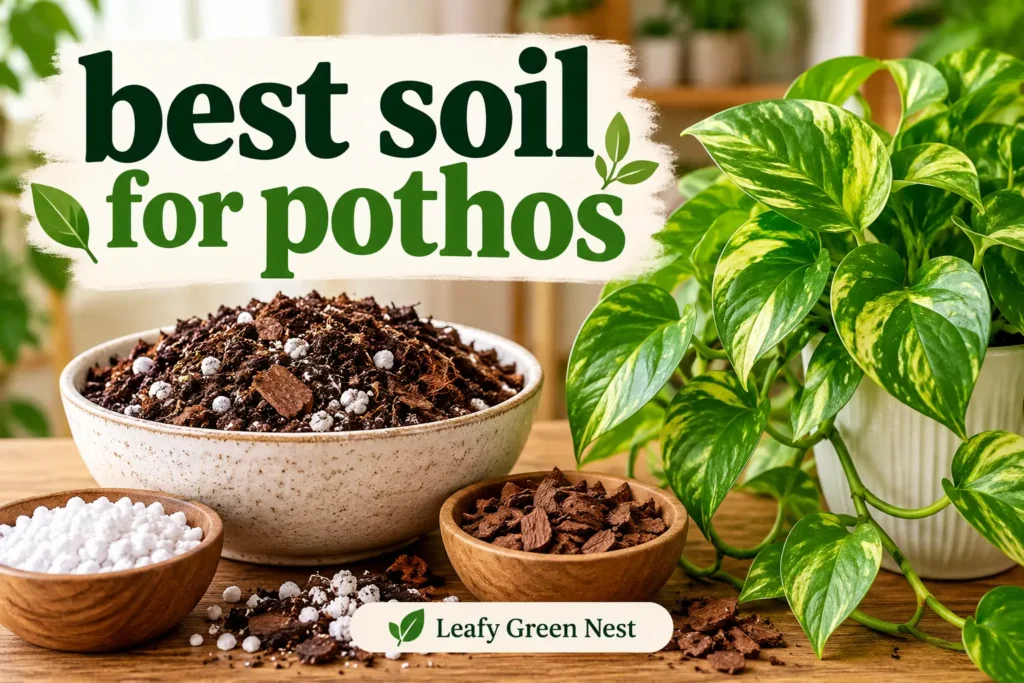
Best Soil for Pothos: Choosing the Right Potting Mix
Discover what makes a suitable pothos growing medium and why drainage matters. Find out how to avoid soil that stays wet for too long and creates problems for the roots.
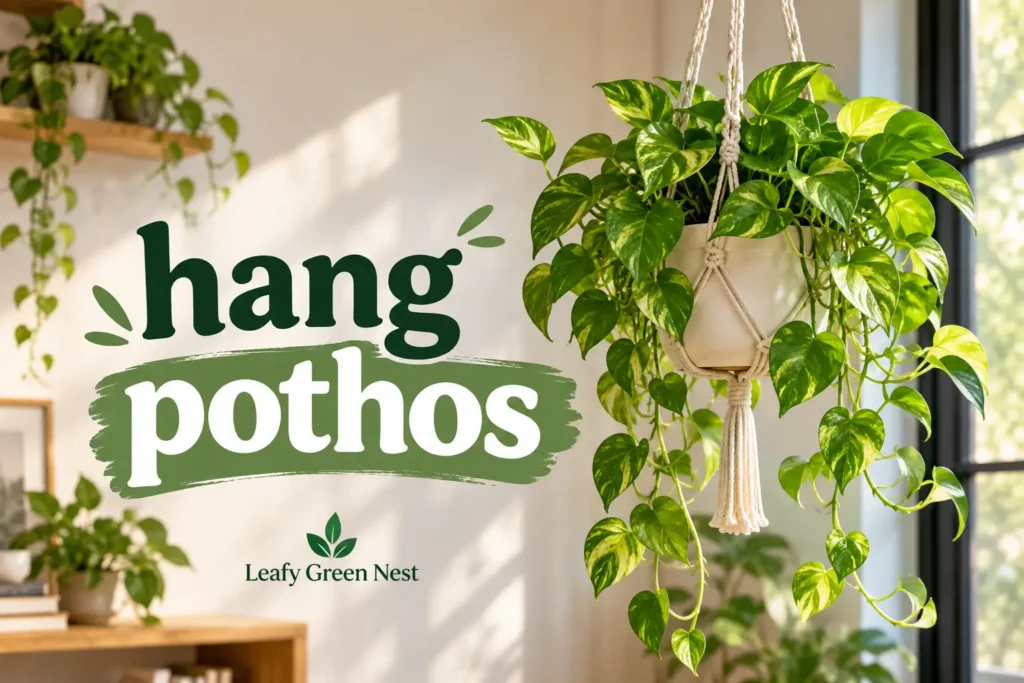
How to Hang Pothos for a Beautiful Indoor Display
Explore ways to display trailing vines in hanging baskets and other elevated spaces. Learn how to position your plant for a balanced look while keeping its growing conditions in mind.
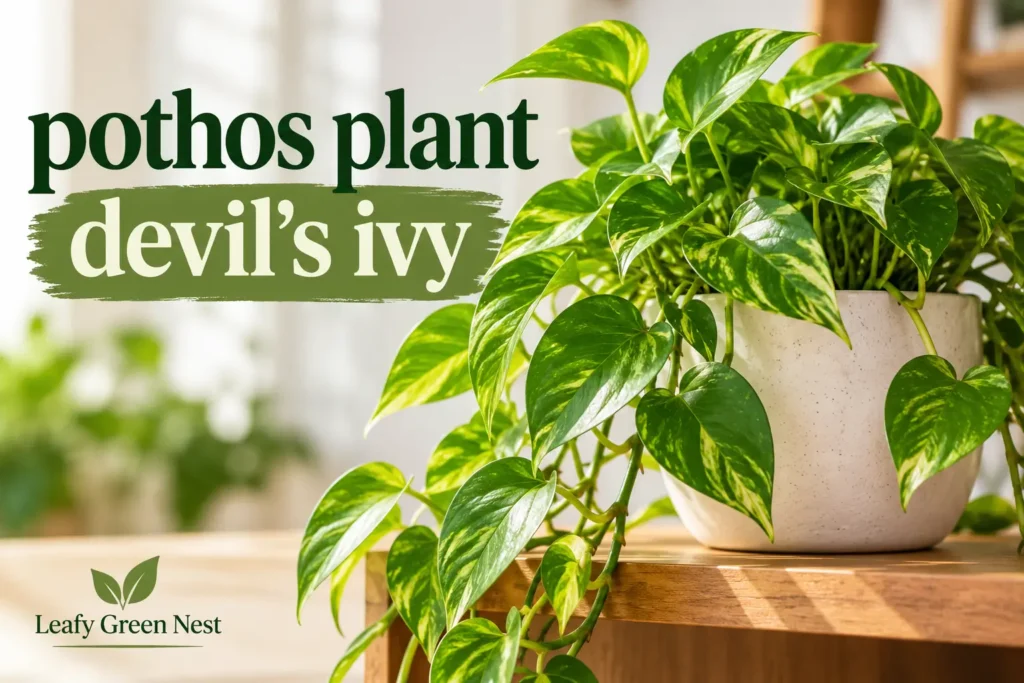
Pothos Plant (Devil’s Ivy): An Introduction to Growing Indoors
Get to know pothos, also known as Devil’s Ivy, including its botanical identity, distinctive foliage, growth habit, and popularity as an indoor plant. This guide is a helpful starting point if you want to understand the plant before exploring its specific care requirements.
Pothos Problems and Troubleshooting
Changes in leaf color, stem length, and growth rate can reveal that a pothos plant is not getting what it needs. Start with these troubleshooting guides to narrow down possible causes before making changes to your care routine.
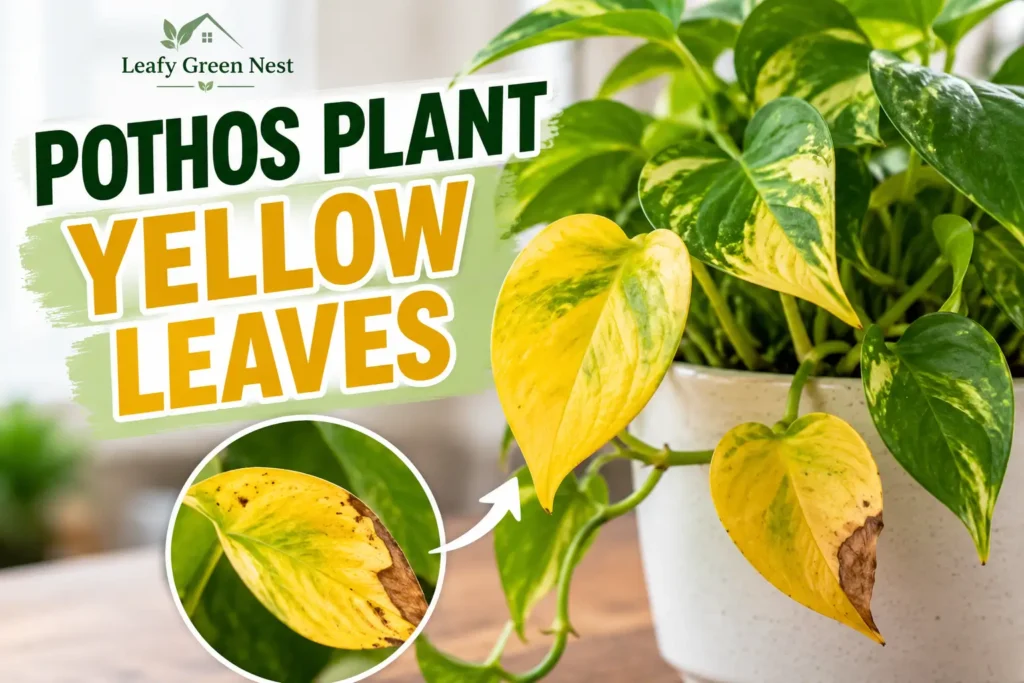
Why Are My Pothos Leaves Turning Yellow?
Yellow leaves can develop for several reasons, including overwatering, poor drainage, environmental stress, or natural leaf aging. This guide helps you investigate the possible causes and decide what to check first.
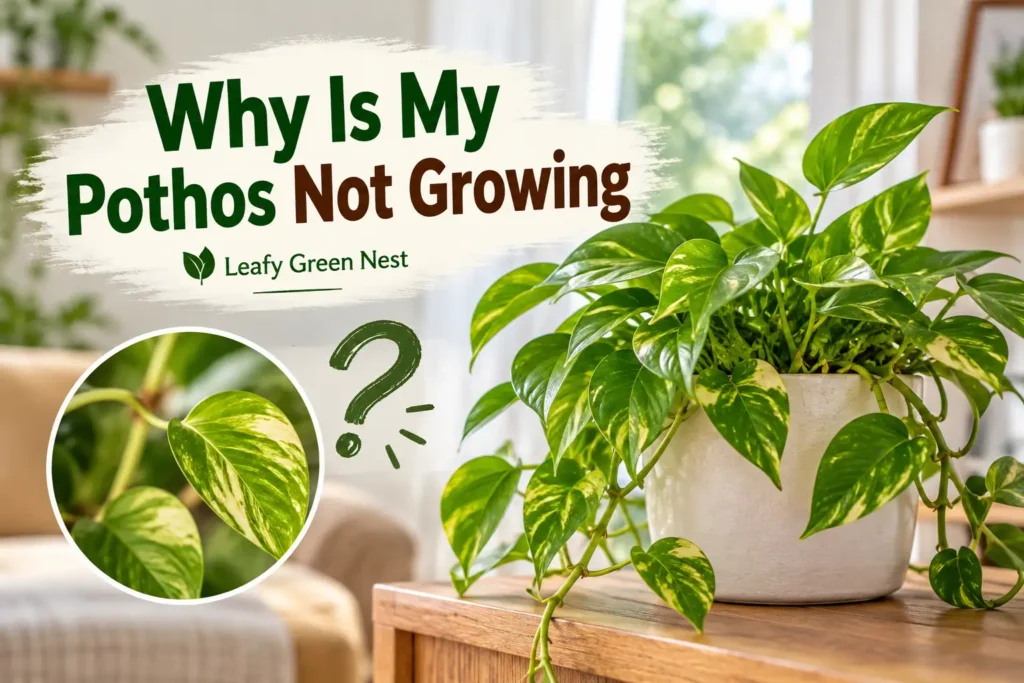
Why Is My Pothos Not Growing?
If your pothos has stopped producing new leaves or seems to grow very slowly, look at its light, watering habits, soil, and root health. Learn how to identify conditions that may be holding back growth.

Why Are My Pothos Leaves Turning Brown?
Brown tips, dry edges, and larger brown patches can have different causes. Explore how watering problems, direct sunlight, fertilizer buildup, and other forms of stress may affect your plant.
When troubleshooting, avoid assuming that every symptom has one cause. Yellow leaves, for example, do not automatically mean your plant needs less water. Check the soil, drainage, light, and overall condition of the plant before making changes.
Pothos Varieties and Plant Identification
One reason pothos is so popular is the variety of leaf colors and patterns available. Some varieties feature golden markings, while others have bright green foliage or creamy variegation.
Explore these guides to compare popular varieties and learn what makes each one distinctive.

Pothos Varieties: Explore Different Types of Pothos
Discover the range of pothos varieties and compare their foliage, colors, and growing characteristics. This is the best place to start if you want to choose a new plant or identify one you already own.
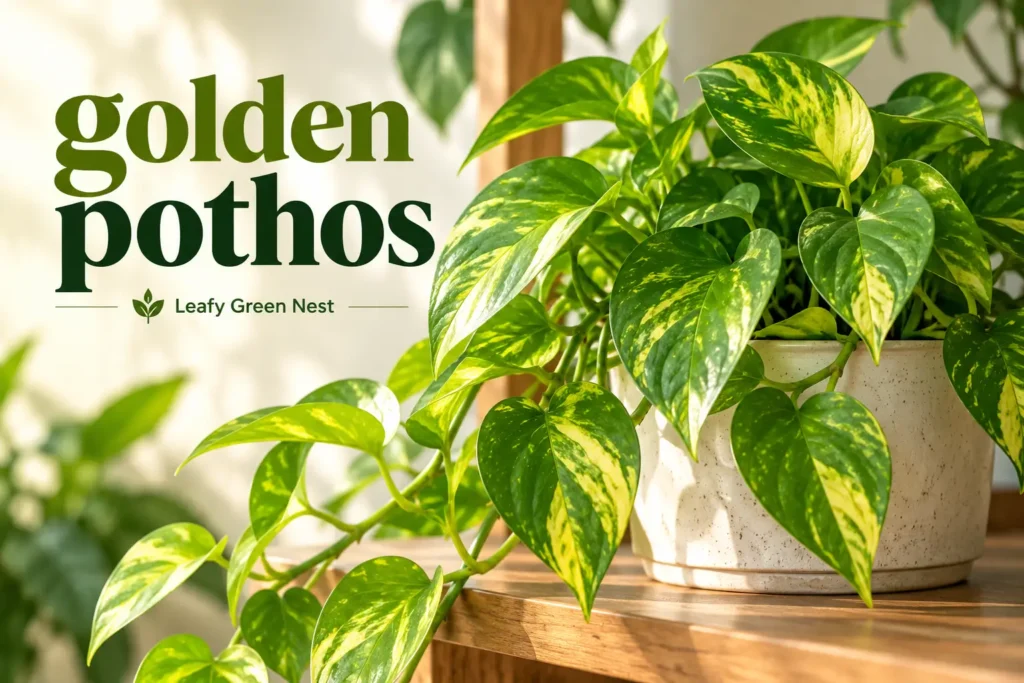
Golden Pothos: A Classic Indoor Favorite
Learn more about Golden Pothos, recognized by its green leaves with yellow or golden markings. Explore its growing needs and find out why it remains a popular choice for indoor plant displays.
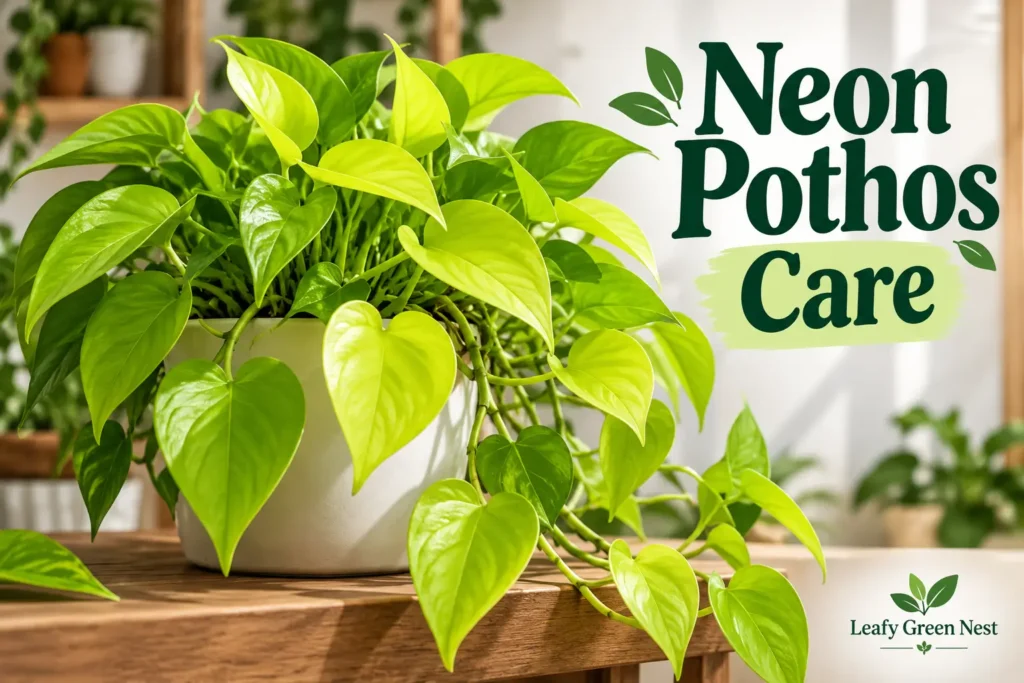
Neon Pothos Care: Growing Bright Green Foliage
Discover how to care for Neon Pothos and maintain its vivid green leaves. Learn about suitable lighting, watering, and the conditions that support healthy growth.
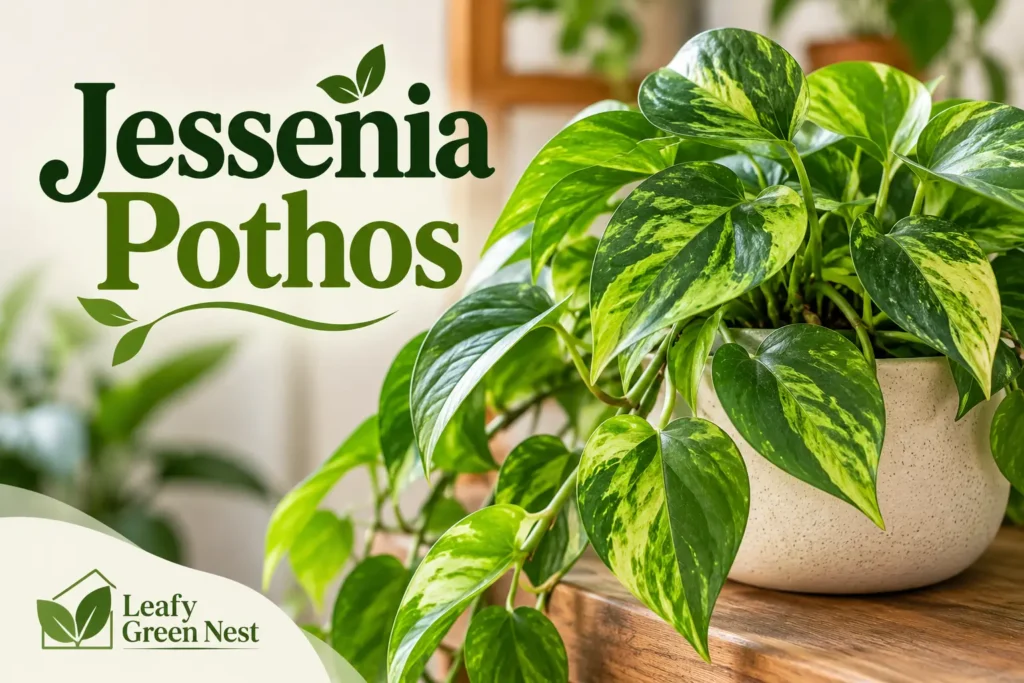
Jessenia Pothos: Care and Growing Tips
Explore Jessenia Pothos and its distinctive green foliage with yellow-green variegation. Find practical advice for maintaining its appearance and supporting healthy indoor growth.
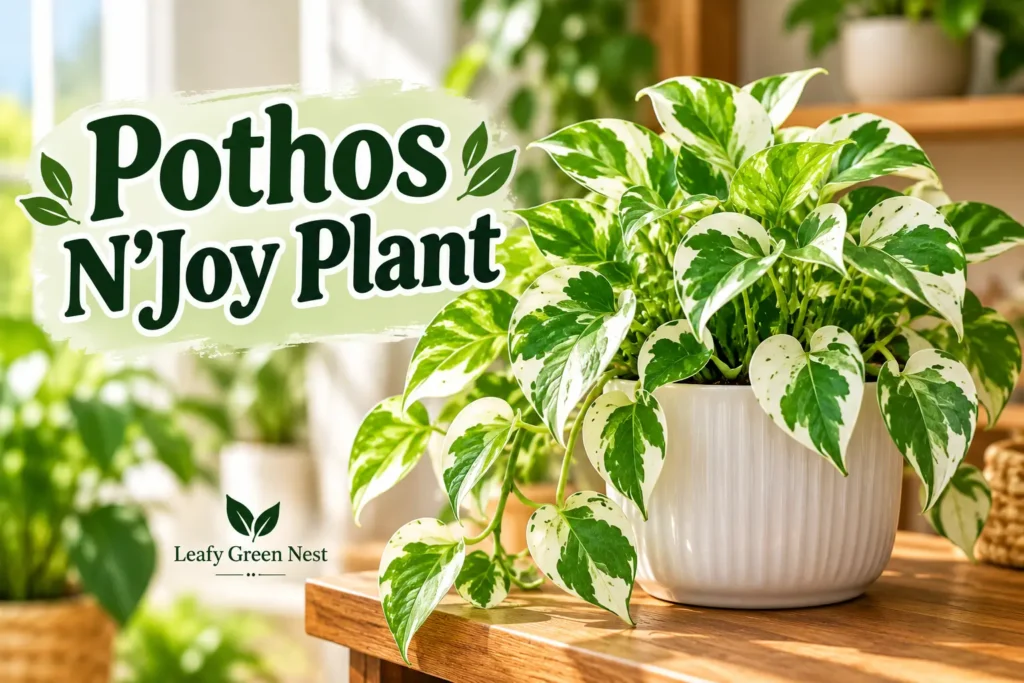
N’Joy Pothos: A Guide to Its Variegated Leaves
Learn about N’Joy Pothos, a variety known for its green leaves with contrasting creamy white sections. Explore its care needs and how lighting can influence the appearance of its variegation.
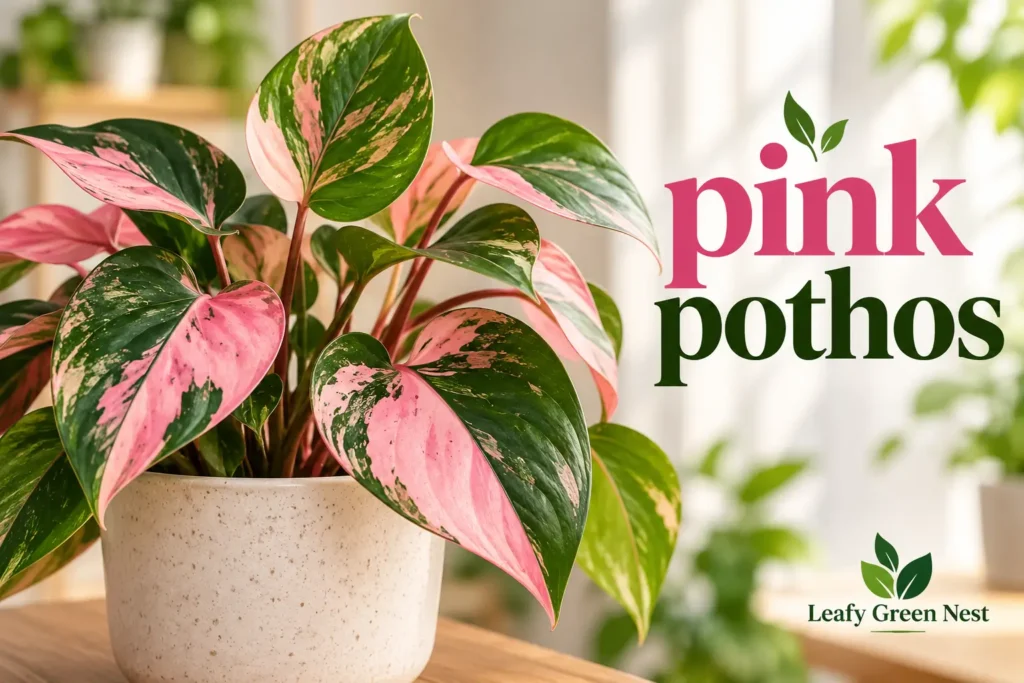
Pink Pothos: Appearance, Care, and What to Know
Explore the pink pothos topic and learn about the plant’s appearance and growing requirements. If you are choosing a plant for its unusual color, check its identification and specific care needs before comparing it with standard Epipremnum aureum varieties.
Pothos Propagation and Growing in Water
Pothos is easy to multiply when you understand how stem nodes work. A node is the point on a stem where a leaf or aerial root develops. A suitable cutting needs at least one node to produce new roots.
Propagation is useful if you want to grow another plant, fill out a sparse pot, or share a cutting with a friend.
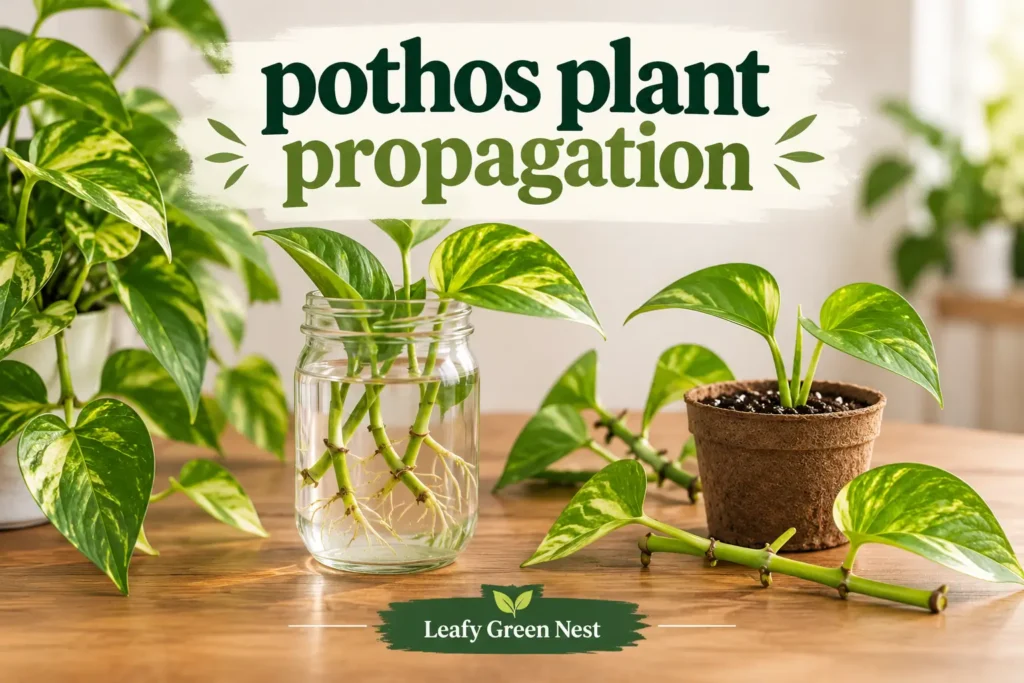
Pothos Plant Propagation: How to Grow New Plants
Learn how to select a healthy stem cutting and encourage root development. Explore the basic steps involved in propagating pothos and caring for new plants as they establish themselves.
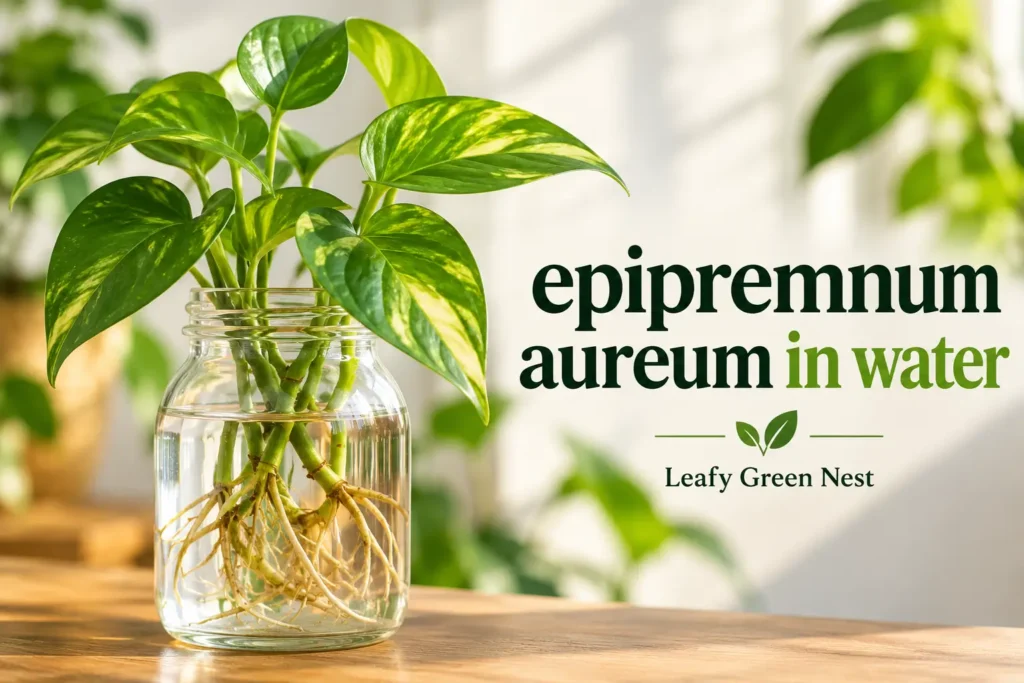
Epipremnum aureum in Water: Growing Pothos Without Soil
Find out how pothos can grow in water and what to consider when using a jar or vase instead of a traditional pot. Learn about water maintenance, root development, and the needs of plants grown this way over time.
Buying Pothos and Choosing the Right Plant
Choosing a pothos becomes easier when you know what to look for. Consider the leaf pattern, the amount of space you have, the available light, and how you want the plant to grow.
Buy Pothos Plant: What to Consider Before Choosing
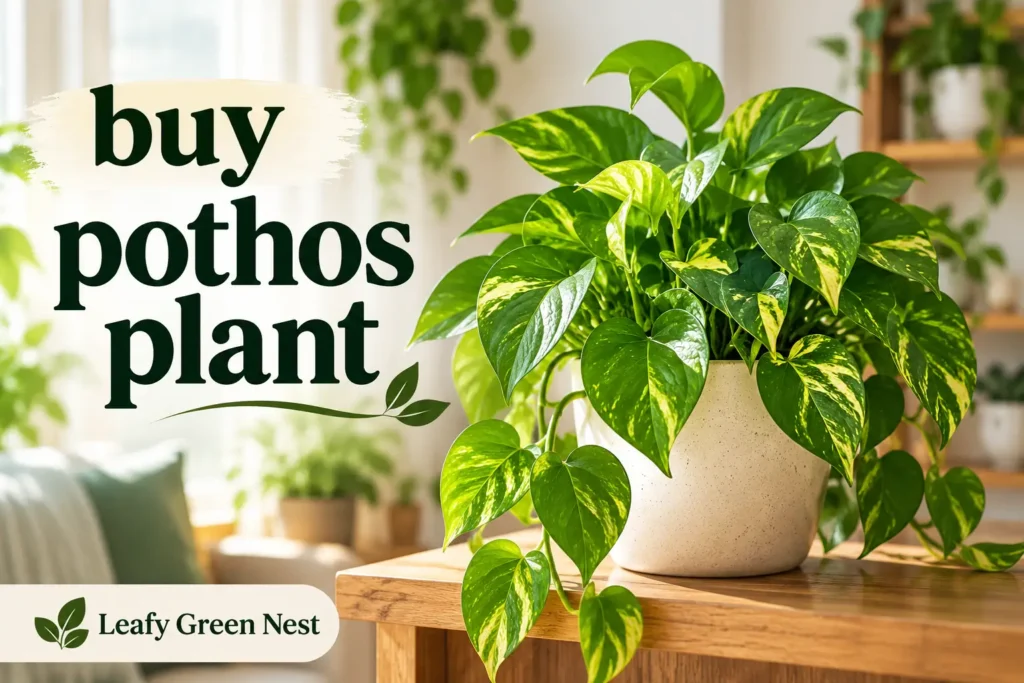
Explore considerations for choosing a pothos plant, including variety, foliage condition, and the growing environment you can provide. If you are buying a plant for the first time, look for healthy leaves, firm stems, and soil that is not persistently waterlogged.
When comparing plants, check whether the variety suits your preferred appearance and available light. Variegated pothos may need brighter indirect light to maintain distinct leaf patterns, while very dim conditions can slow growth.
Pothos Safety and Pet Considerations
Pothos is attractive and easy to grow, but its safety matters when you share your home with pets or young children. The plant contains insoluble calcium oxalate crystals that can irritate the mouth and digestive tract if chewed or swallowed.
Is Pothos Plant Toxic to Cats?
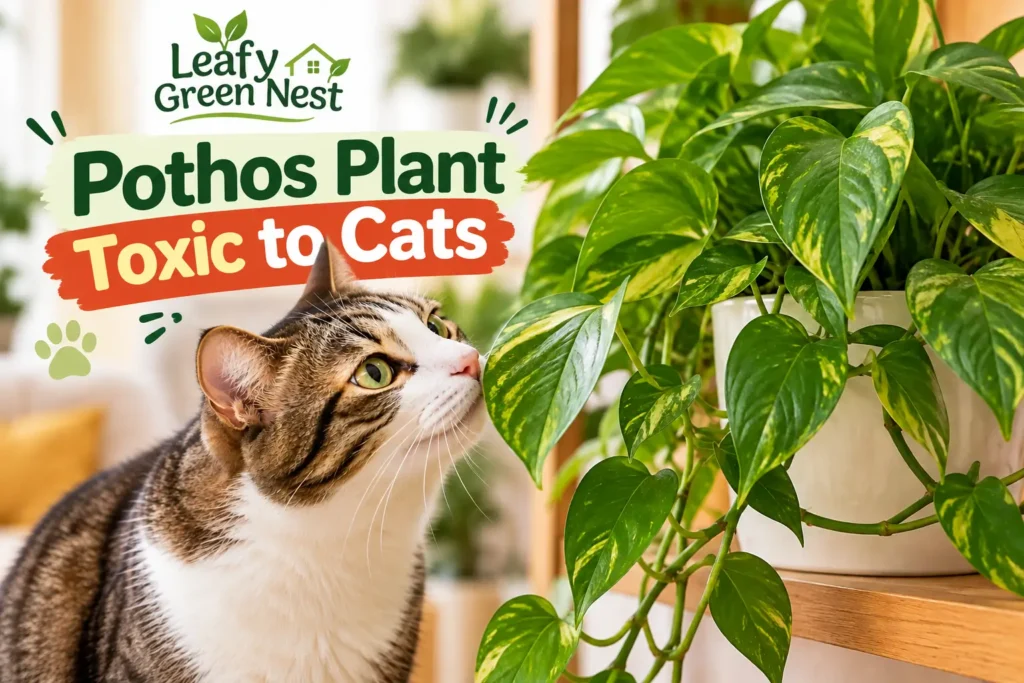
Learn about pothos toxicity and the precautions cat owners should take. Explore safer placement options and understand why it is best to prevent pets from chewing the leaves or stems.
Keep pothos out of reach of cats, dogs, and young children. A hanging basket is not automatically safe if vines or fallen leaves remain accessible.
Pothos Comparisons and Related Plant Guides
Not sure whether pothos is the right plant for your home? Comparing it with similar houseplants can help you understand the differences in leaf shape, growth habit, and care.
Pothos vs. Philodendron: How to Tell Them Apart
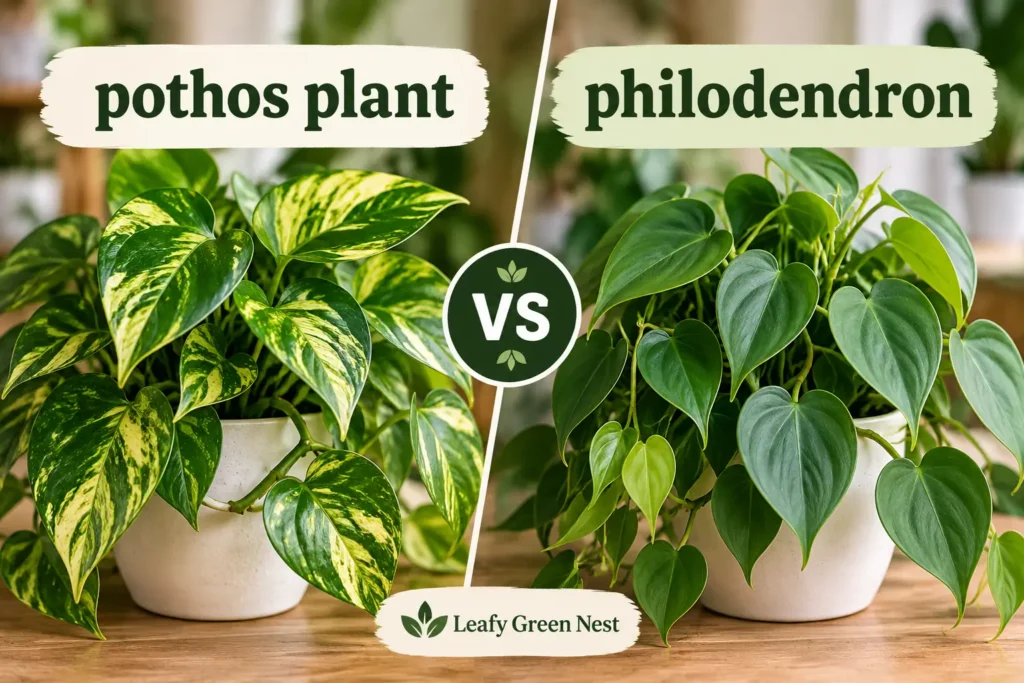
othos and heartleaf philodendron can look similar, especially when their vines are young. Explore their distinguishing features and learn how to compare their leaves, stems, and growth habits.
If you enjoy trailing foliage, pothos is a useful option. If you prefer a different shape or structure, consider exploring other houseplant types before choosing your next plant.
Why Is the Pothos Plant So Popular?
The pothos plant is popular because it combines low-maintenance care with versatile growth. It can adapt to many indoor spaces, grows from simple stem cuttings, and offers a range of attractive leaf patterns.
1. It Adapts to Different Indoor Spaces
Pothos can grow in living rooms, bedrooms, offices, and other indoor areas with suitable conditions. It tolerates lower light better than many foliage plants, although growth often slows and variegated leaves may become less colorful when light is limited.
2. It Works as a Trailing or Climbing Plant
Long stems make pothos useful for hanging baskets and elevated shelves. With a suitable support, you can also train it to climb. This flexibility makes it easy to adapt the plant to different rooms and display styles.
3. It Is Easy to Propagate
You can grow new pothos plants from healthy stem cuttings that contain nodes. The process requires little equipment, and water propagation allows you to observe root development before transferring the cutting to soil.
4. It Comes in Several Attractive Varieties
Pothos varieties differ in color, variegation, and overall appearance. Golden Pothos offers green leaves with yellow markings, Marble Queen has creamy white patterns, and Neon Pothos stands out with bright green foliage.
5. It Does Not Need a Complicated Routine
Pothos generally grows well with a few consistent habits: suitable indirect light, careful watering, a well-draining growing medium, and occasional pruning. It still needs attention, but it does not usually require a demanding daily care schedule.
How to Keep a Pothos Plant Healthy and Full
A healthy pothos plant needs a balance of light, water, root space, and regular maintenance. Small adjustments to these conditions can improve leaf quality and support stronger growth over time.
Choose the Right Light
Place pothos near a window where it receives bright, indirect light. An east-facing window can work well, while a brighter south- or west-facing location may need a little distance or a sheer curtain to reduce harsh direct sunlight.
If the plant sits in a dim corner, watch for slow growth, smaller leaves, or longer spaces between leaves. Moving it closer to a suitable light source may help.
Water According to Soil Conditions
Check the soil before watering. When the upper 1 to 2 inches feel dry, water thoroughly until excess water drains from the bottom. Empty any standing water from the saucer.
Avoid watering simply because a certain number of days has passed. A pothos in bright light may dry faster than one in a cool, dim room.
Use Well-Draining Soil
Pothos roots need both moisture and access to air. Use a quality indoor potting mix that drains well and does not remain saturated for long periods.
Always choose a pot with drainage holes. Decorative containers without drainage can hold excess water and increase the risk of root damage.
Prune Long or Damaged Stems
Trim overly long vines with clean scissors when they become sparse or difficult to manage. Cutting just above a node can encourage growth from nearby points along the stem.
Healthy cuttings can also be propagated and added back to the original pot after they develop roots, helping create a fuller display.
Check the Roots When Problems Persist
If the plant continues to decline despite changes to watering and light, inspect the roots. Healthy roots are generally firm, while roots affected by rot may appear brown, mushy, or unpleasant-smelling.
Remove badly damaged roots with clean tools, discard saturated or deteriorated soil, and repot the plant in fresh, well-draining mix when necessary.
Best Places to Grow Pothos Indoors
Pothos works well in many parts of a home, provided the location offers suitable light and protects the plant from hazards.
- Bookshelves: Let vines trail over the edges while keeping leaves out of walkways.
- Hanging baskets: Give long stems room to cascade naturally.
- Home offices: Use a compact pot near a window with indirect light.
- Living rooms: Train vines along a suitable support or place them on elevated furniture.
- Bedrooms: Choose a bright spot with enough space for the plant to grow.
- Bathrooms: A bathroom with suitable natural light may work well, but humidity cannot replace adequate light.
- Low-light rooms: Pothos may survive in dimmer spaces, but extremely low light can lead to weak, slow growth.
Safety tip: Pothos is toxic if chewed or swallowed. Keep it out of reach of children and pets, especially when placing it on shelves or in hanging planters. Hanging the plant does not guarantee safety if fallen leaves or trailing stems remain accessible.
Pothos Plant Care: Common Mistakes to Avoid
Many pothos problems develop because of a few common care mistakes. Correcting the underlying issue is usually more effective than adding extra fertilizer or watering more often.
| Common mistake | Why it causes problems | What to do instead |
|---|---|---|
| Watering on a fixed schedule | Soil may stay wet for too long | Check soil moisture before watering |
| Keeping the plant in very dim light | Growth may become slow and leggy | Move it to brighter indirect light |
| Using a pot without drainage | Excess water can collect around roots | Choose a pot with drainage holes |
| Applying too much fertilizer | Excess salts can damage roots and foliage | Follow label directions and avoid overfeeding |
| Pruning without a clear reason | Excessive cutting can temporarily reduce foliage | Trim selectively and retain healthy growth |
| Ignoring persistent yellow leaves | Root or watering problems may worsen | Check soil moisture, drainage, and root health |
| Assuming all yellow leaves mean overwatering | Other causes may include aging, low light, or stress | Assess the whole plant before changing care |
Pothos vs. Other Popular Indoor Plants
Pothos is a useful choice for people who want trailing foliage and easy propagation. Other houseplants may suit different needs, so consider your available light, preferred appearance, and household safety requirements.
| Plant | Growth style | Main appeal | Key consideration |
|---|---|---|---|
| Pothos | Trailing or climbing vine | Adaptable care and easy propagation | Toxic if chewed or swallowed |
| Snake plant | Upright, stiff leaves | Architectural shape and relatively low watering needs | Also toxic if ingested by pets |
| Peace lily | Upright foliage with flowers | Attractive leaves and occasional blooms | Toxic if chewed or swallowed |
| Spider plant | Arching, cascading foliage | Produces plantlets and suits hanging displays | Generally considered pet-friendly, though chewing can still cause mild stomach upset |
If you prefer upright leaves instead of trailing vines, explore a snake plant care guide. For flowering indoor foliage, a peace lily care guide may be a better fit. If pet safety is a priority, compare suitable pet-friendly houseplants before choosing a plant for an accessible shelf or room.
Frequently Asked Questions
What is the easiest pothos variety to grow indoors?
Golden Pothos is a popular beginner-friendly choice because it grows readily under common indoor conditions and produces attractive green leaves with golden markings. It still needs suitable light, drainage, and careful watering.
Is a pothos plant good for beginners?
Yes. Pothos is generally easy to care for because it tolerates a range of indoor conditions and can be propagated from stem cuttings. Beginners should still avoid overwatering and extremely low light.
Can pothos grow without direct sunlight?
Yes. Pothos does not need direct sunlight and often grows well in bright, indirect light. It can tolerate lower light, but growth may slow and variegated varieties may lose some of their distinctive patterns.
Should I grow pothos in water or soil?
Both methods can work. Water is convenient for rooting cuttings and displaying them in clear containers, while soil is a practical long-term growing medium. Plants grown in water need regular water maintenance and may require nutrients over time.
Why does my pothos have long stems but few leaves?
Sparse, stretched growth often develops when the plant receives too little light. Pruning can help improve its shape, and healthy cuttings can be rooted and planted back into the pot to create a fuller appearance.
Does a pothos plant need fertilizer?
Pothos can grow without frequent feeding, particularly when it receives suitable light and grows in fresh potting mix. During active growth, a balanced houseplant fertilizer used according to its label can support continued development.
Final Verdict: Is a Pothos Plant Right for Your Home?
A pothos plant is an excellent option if you want attractive indoor greenery without a complicated care routine. Its trailing vines, varied leaf patterns, and straightforward propagation make it suitable for beginners and experienced houseplant owners alike.
The best results come from understanding a few simple needs. Provide bright, indirect light when possible, water according to soil moisture, use a well-draining potting mix, and prune the plant when its vines become too long or sparse.
Use this pothos plant hub to explore individual care topics, identify problems, compare varieties, and learn how to grow new plants from cuttings. Start with the care basics, then move to the specific guide that matches your plant’s needs.