
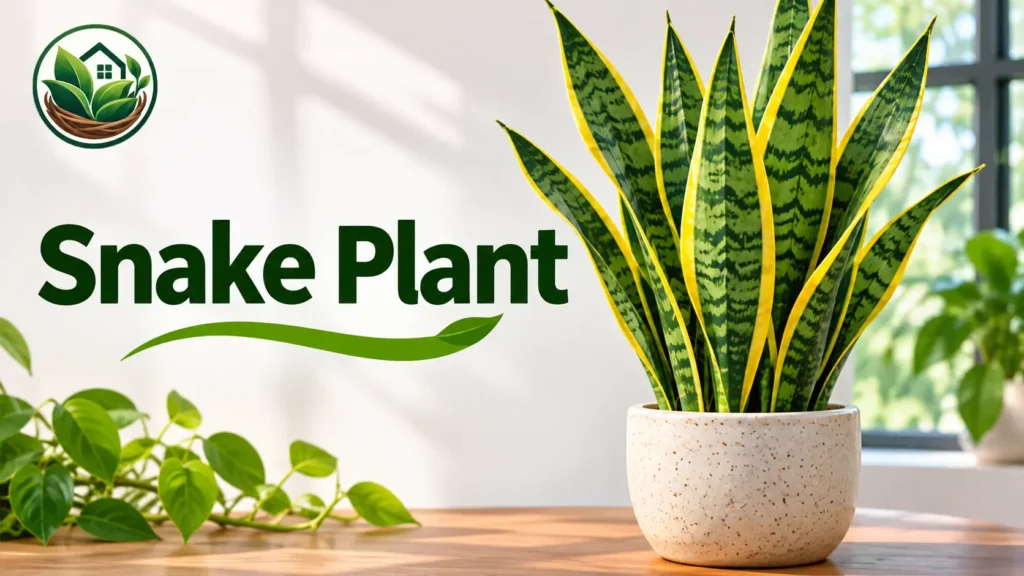
What Is a Snake Plant?
A snake plant (Dracaena trifasciata), formerly known as Sansevieria trifasciata, is a popular tropical houseplant recognized for its upright, sword-shaped leaves and low-maintenance care requirements. Also called Mother-in-Law’s Tongue, this evergreen plant grows in attractive clumps and comes in several varieties with different leaf shapes, colors, and patterns.
The snake plant is a favorite among indoor plant lovers because it tolerates a range of lighting conditions, needs relatively little water, and grows well in many indoor spaces. Its upright leaves make it a practical choice for bedrooms, living rooms, offices, hallways, and other areas where space is limited.
One of the best things about a snake plant is that it does not need frequent attention. Provide suitable light, allow the soil to dry between waterings, and use a well-draining potting mix. These simple habits can help your plant stay healthy for years.
This Snake Plant hub brings essential care information and growing guides together in one place. Whether you want to learn how to care for a snake plant, choose a particular variety, understand its benefits, or solve a common plant problem, you can find helpful information below.
Table of Contents
Quick Answer: How Do You Care for a Snake Plant?
Snake plants grow best in bright, indirect light, well-draining soil, and a pot with drainage holes. Allow the soil to dry completely or nearly completely before watering again. Keep the plant in a warm indoor location, avoid excessive watering, and provide occasional maintenance to remove damaged leaves.
Snake plants tolerate lower light conditions, but they generally grow better with suitable indirect light.
Key Takeaways
- Light: Bright, indirect light supports healthy growth, although snake plants tolerate lower light.
- Water: Allow the soil to dry between waterings to reduce the risk of root rot.
- Soil: Use a loose, well-draining potting mix designed for succulents or cacti.
- Temperature: Warm indoor conditions generally suit snake plants.
- Propagation: New plants can grow from division or leaf cuttings, depending on the variety.
- Pruning: Remove damaged or unhealthy leaves with clean tools.
- Growth: Snake plants grow upright and produce new shoots from underground rhizomes.
- Safety: Snake plants contain saponins and are toxic if chewed or swallowed by cats and dogs.
Quick Snake Plant Reference Table
| Feature | Details |
|---|---|
| Botanical name | Dracaena trifasciata |
| Former botanical name | Sansevieria trifasciata |
| Common names | Snake Plant, Mother-in-Law’s Tongue |
| Plant type | Tropical evergreen perennial |
| Light needs | Bright, indirect light; tolerates lower light |
| Watering | Allow soil to dry between waterings |
| Soil | Well-draining, airy growing mix |
| Growth habit | Upright, clumping leaves |
| Propagation | Division and leaf cuttings |
| Common problems | Yellow leaves, brown tips, soft leaves, root rot |
| Popular varieties | Laurentii, Moonshine, Bird’s Nest, Whale Fin |
| Pet safety | Toxic if chewed or swallowed |
Explore Snake Plant Guides
A snake plant can remain healthy for a long time with basic care, but it may occasionally develop yellow leaves, brown tips, soft foliage, or slow growth. These changes can indicate problems with watering, lighting, soil, or the plant’s growing environment.
Our Snake Plant guides help you understand what your plant needs, identify common problems, explore different varieties, and make better decisions when buying or growing one.
Browse the guides below to find information that matches your needs.
Snake Plant Care and Growing Basics
New to snake plants? Start with the fundamentals. These guides explain how to care for your plant, choose suitable growing conditions, and maintain healthy leaves.

Snake Plant Care: A Complete Indoor Growing Guide
Learn the essentials of snake plant care, including lighting, watering, soil, temperature, and general maintenance. This is a useful starting point if you have recently purchased a snake plant or want to improve your existing care routine.

Snake Plant Light Requirements: How Much Light Does It Need?
Find out how much light a snake plant needs and where to place it indoors. Learn why snake plants tolerate lower light but often grow more actively when they receive suitable indirect sunlight.

How Often to Water a Snake Plant
Learn how to determine when your snake plant needs water. This guide explores soil moisture, pot conditions, temperature, and seasonal changes that influence watering frequency.

Best Soil for Snake Plant: Choosing the Right Potting Mix
Discover what makes a suitable snake plant growing medium and why good drainage matters. Find out how to choose soil that allows excess water to escape and protects the roots.
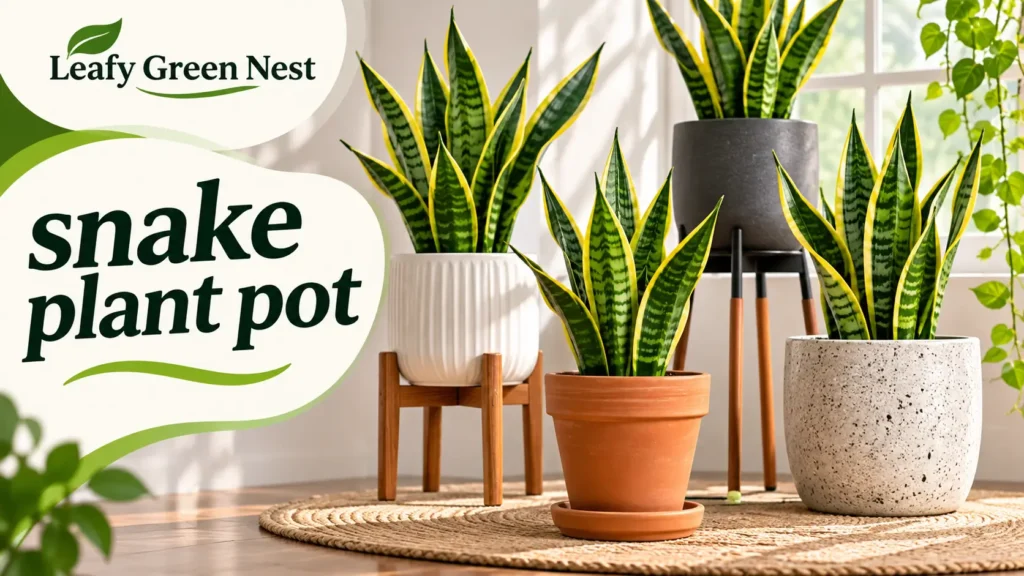
Snake Plant Pot: How to Choose the Right Container
Explore the best pot options for snake plants. Learn about pot size, drainage holes, container materials, and how the right pot can support healthy root development.
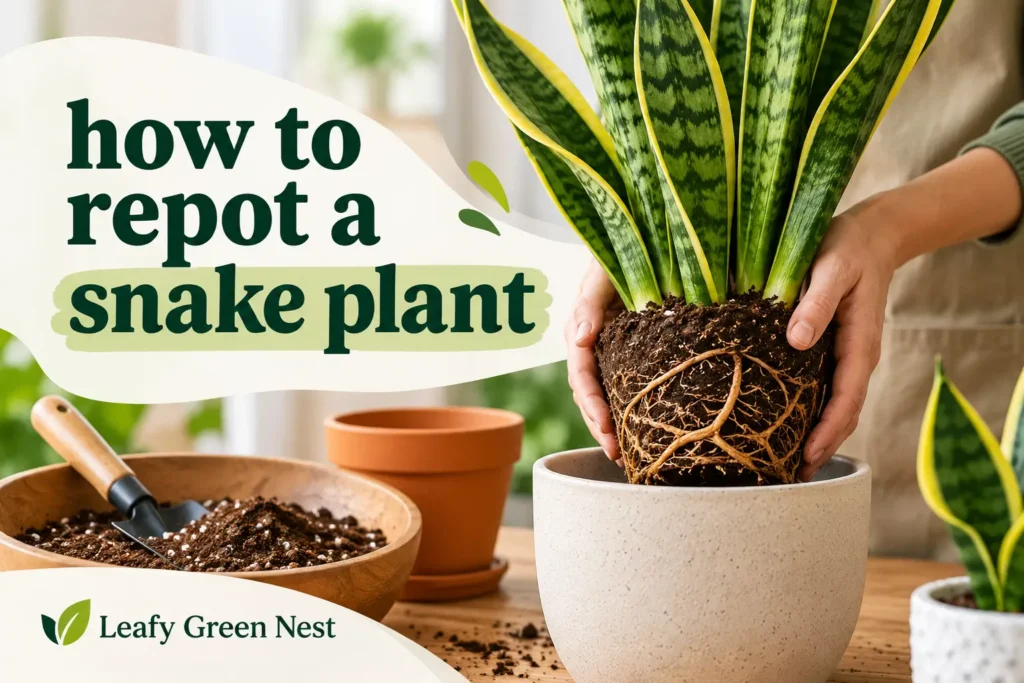
How to Repot a Snake Plant
Learn when your snake plant needs a larger container and how to repot it safely. This guide covers preparation, removing the plant, checking its roots, and choosing a suitable new pot.
Large Snake Plant Care: How to Grow and Maintain Bigger Plants

Discover how to care for mature snake plants with taller leaves and established root systems. Learn about watering, placement, maintenance, and the growing conditions that support larger plants.
Snake Plant Problems and Troubleshooting
Changes in leaf color, texture, and growth can reveal that a snake plant is experiencing stress. Checking the growing conditions can help you identify possible causes before making changes to your care routine.
Start with the general care guides above, then investigate the specific issue affecting your plant.
Snake Plant Varieties and Plant Identification
Snake plants come in several varieties with different leaf shapes, sizes, colors, and patterns. Some have tall, narrow leaves with yellow edges, while others grow in compact rosettes or produce broad, paddle-shaped foliage.
Explore these guides to compare popular types and learn what makes each variety distinctive.
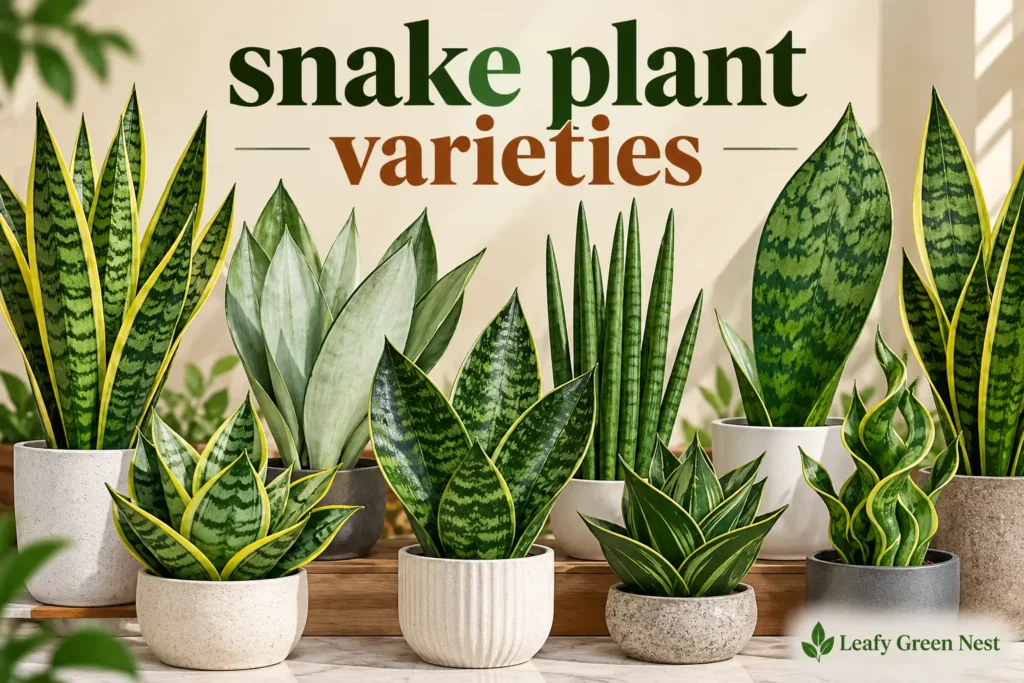
Snake Plant Varieties: Explore Different Types of Snake Plants
Discover different snake plant varieties and compare their appearance, leaf patterns, and growing characteristics. This guide is a useful starting point if you want to choose a new plant or identify one you already own.
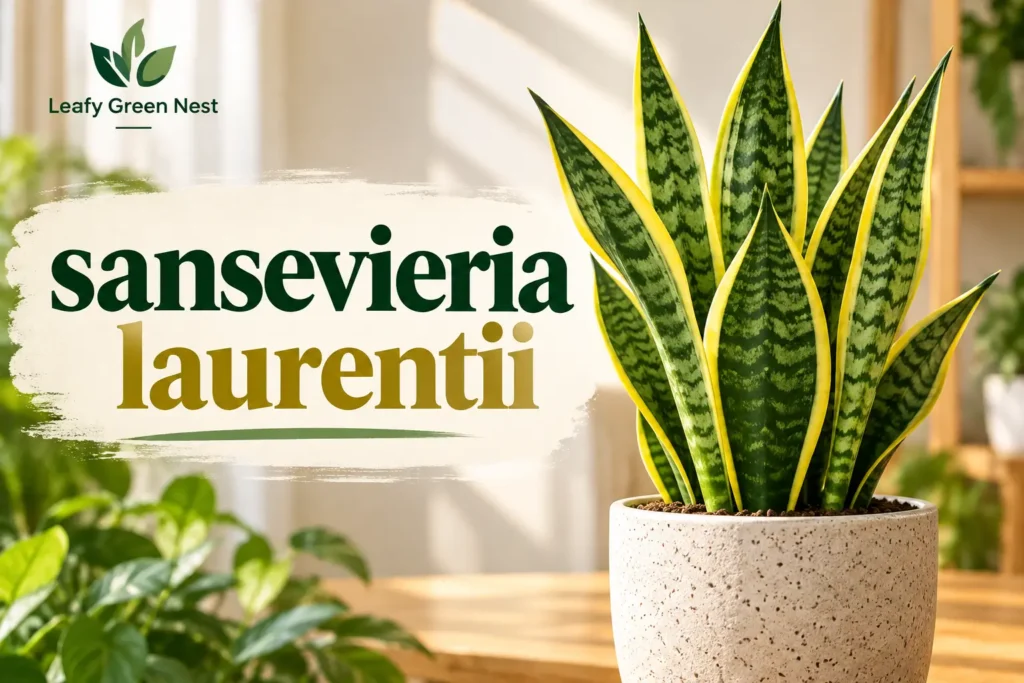
Sansevieria Laurentii: A Classic Snake Plant Variety
Learn about Laurentii, a popular snake plant recognized by its upright green leaves and distinctive yellow margins. Explore its appearance and basic growing requirements.
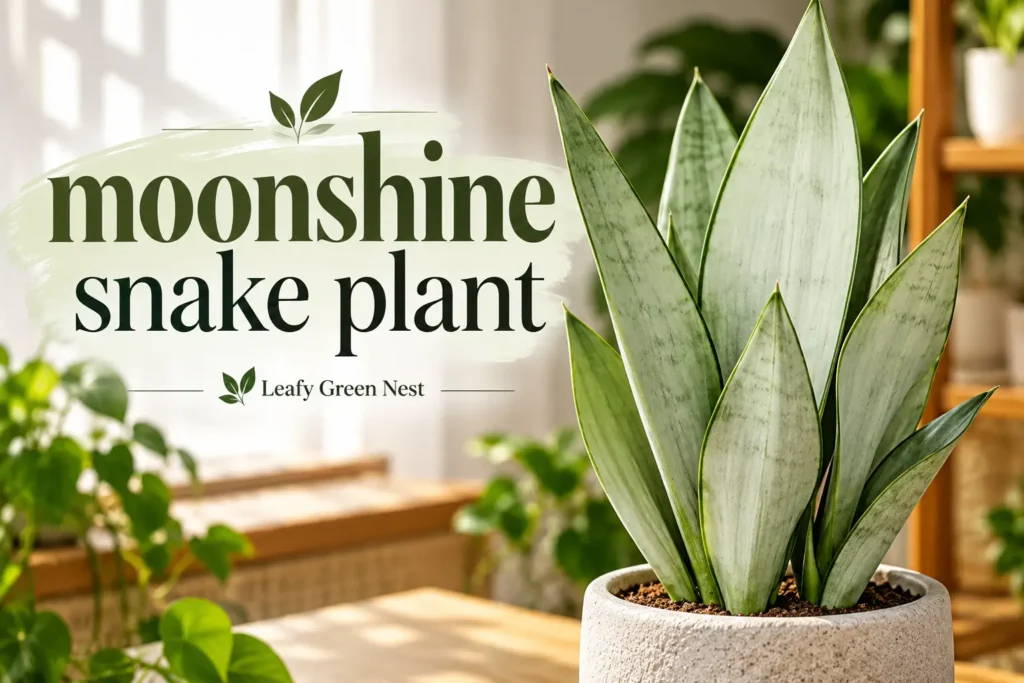
Moonshine Snake Plant: Care and Growing Tips
Explore the Moonshine snake plant, known for its broad, silvery-green leaves. Learn how to maintain its distinctive foliage with suitable lighting, watering, and general care.
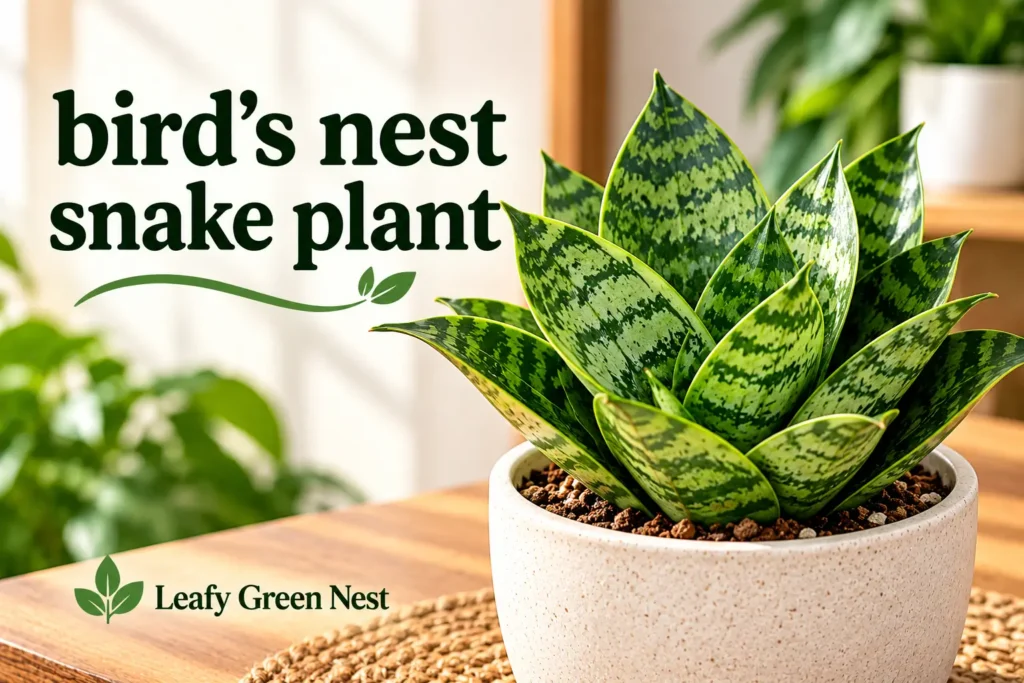
Bird’s Nest Snake Plant: A Guide to Compact Growth
Discover the Bird’s Nest snake plant, a compact variety with short leaves that grow in a circular rosette. Find out why it works well on desks, shelves, and smaller indoor spaces.
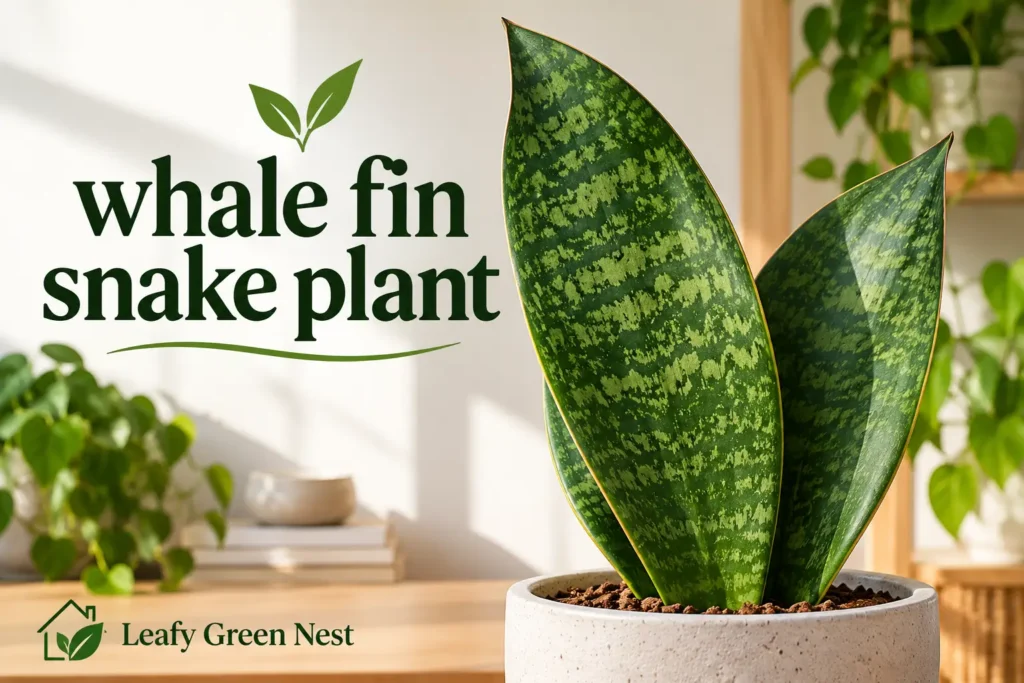
Whale Fin Snake Plant: Appearance and Care Guide
Learn about the Whale Fin snake plant, recognized by its large, broad leaf that resembles a whale’s fin. Explore its growing needs and how to maintain its unusual appearance.
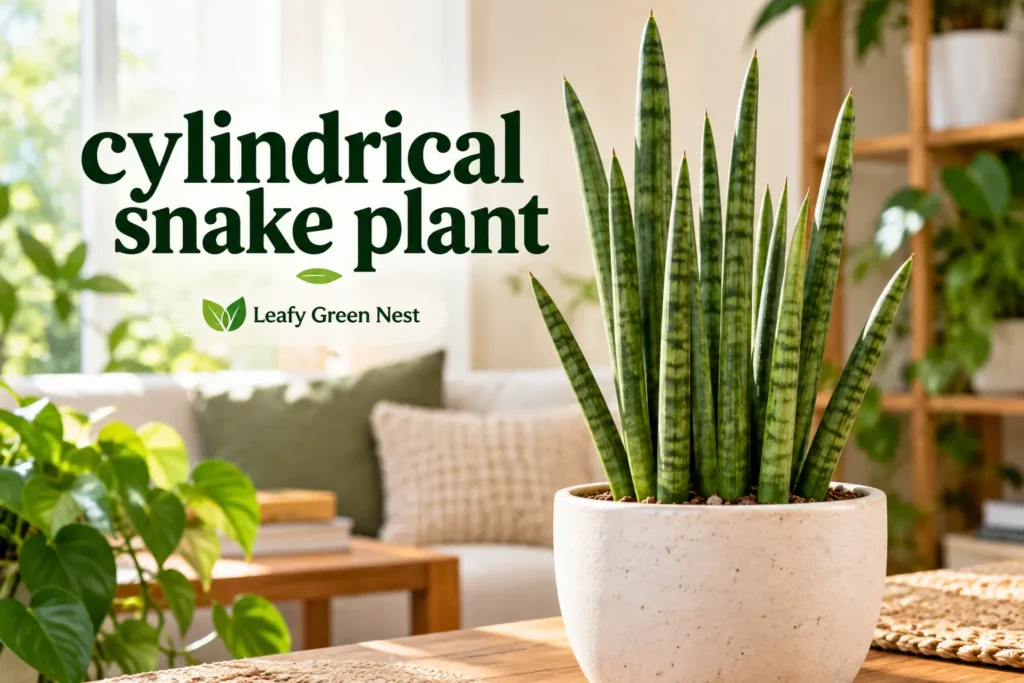
Cylindrical Snake Plant: How to Grow and Care for It
Explore the cylindrical snake plant, a distinctive type with round, upright leaves. Learn about its appearance, suitable growing conditions, and care requirements.
Snake Plant Benefits and Indoor Placement
Snake plants are popular decorative houseplants because of their upright growth and ability to adapt to different indoor spaces. Their appearance makes them suitable for rooms where you want greenery without using too much floor or shelf space.
Explore these guides to understand their benefits and find suitable locations around your home.

Snake Plant Benefits: Why Grow One Indoors?
Discover the practical and decorative benefits of growing a snake plant indoors. Learn about its appearance, low-maintenance nature, and the reasons it remains a popular houseplant.

Snake Plants for Bedroom: Are They a Good Choice?
Find out whether a snake plant is suitable for your bedroom. Explore placement ideas, lighting considerations, and practical points to consider before adding one to your sleeping space.
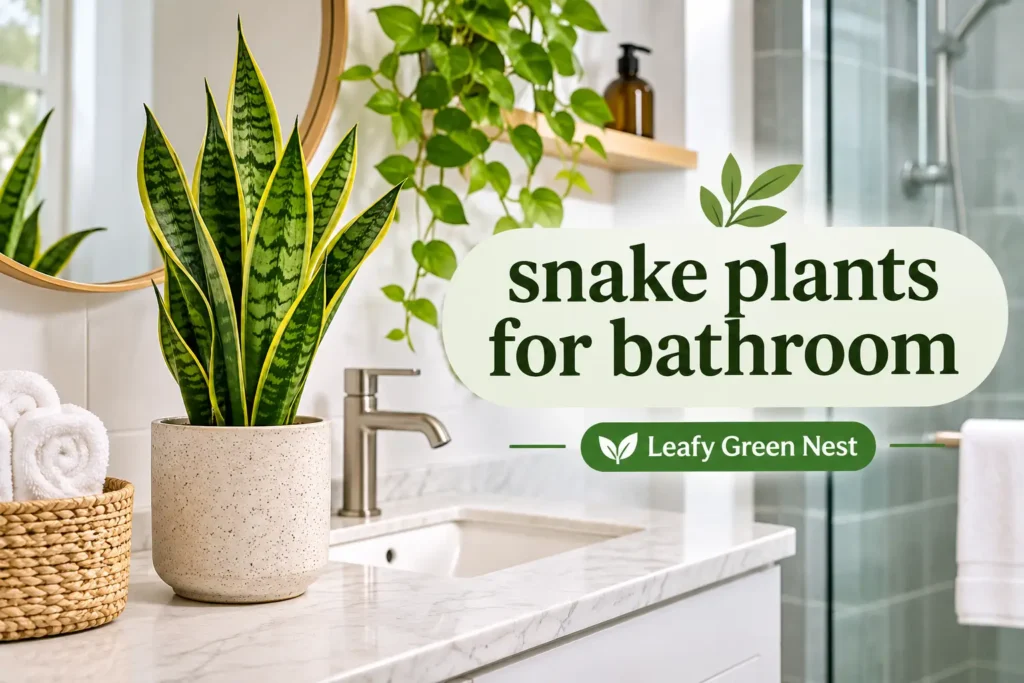
Snake Plants for Bathroom: Growing Tips and Placement
Learn whether a snake plant can grow in a bathroom. Discover how lighting, ventilation, humidity, and watering conditions influence its suitability for bathroom spaces.
Snake Plants for Air Purification: What You Should Know
Explore the connection between snake plants and indoor air quality. Understand what research says about plants and air purification, including why ordinary indoor plants should not replace proper ventilation.
Snake Plant Propagation and Flowering
Snake plants can produce new shoots from underground rhizomes and can also be propagated through leaf cuttings. Mature plants may occasionally produce flowers under suitable growing conditions.
These guides explain how to grow new plants and understand the flowering process.
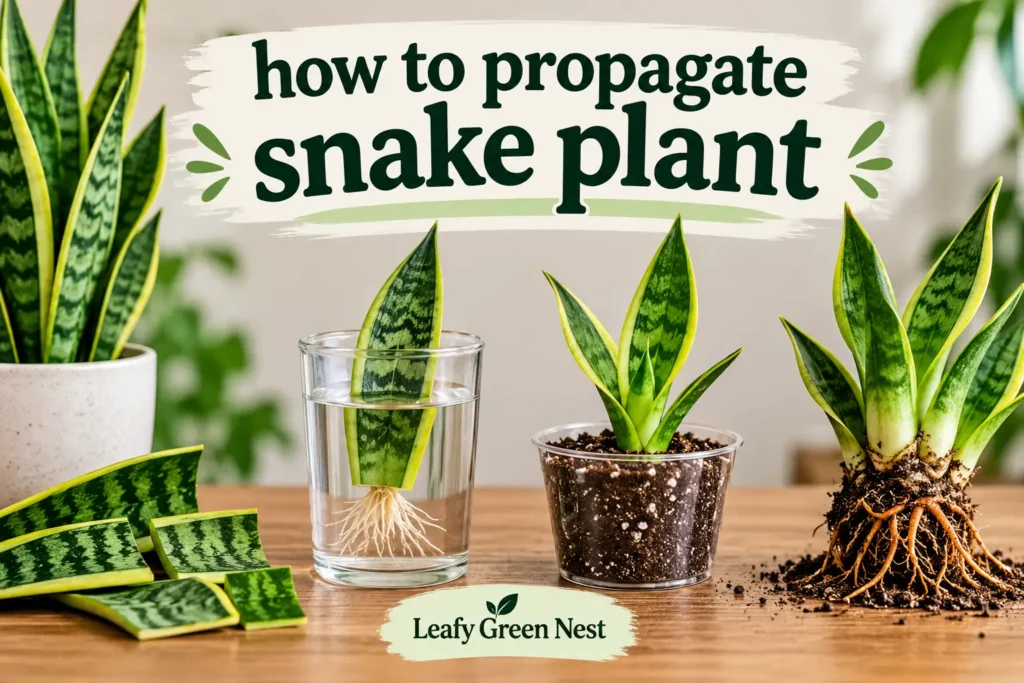
How to Propagate a Snake Plant: Step-by-Step Guide
Learn how to create new snake plants using division or leaf cuttings. Explore the basic propagation process, the equipment you need, and how to care for new plants as they develop roots.
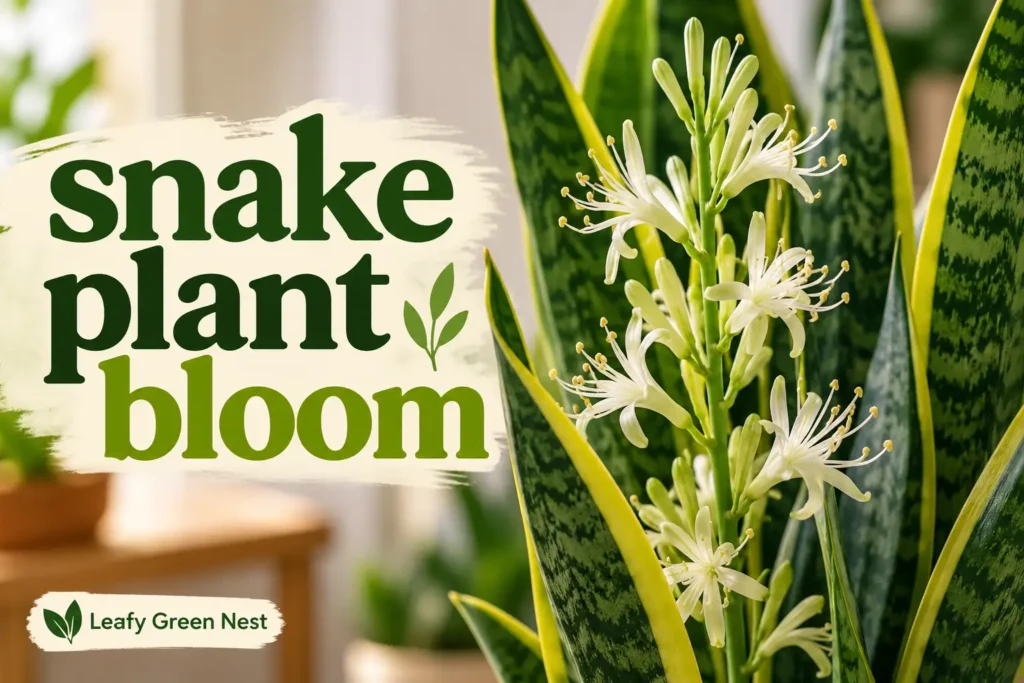
Snake Plant Bloom: When and How Does It Flower?
Find out whether a snake plant is suitable for your bedroom. Explore placement ideas, lighting considerations, and practical points to consider before adding one to your sleeping space.
Buying Snake Plants and Choosing the Right Plant
Choosing a snake plant becomes easier when you know what to look for. Consider the variety, leaf condition, available space, and the growing conditions you can provide.
Snake Plants for Sale: What to Consider Before Buying

Explore important considerations when buying a snake plant. Learn how to compare varieties, inspect foliage, check the growing medium, and choose a healthy plant for your home.
Snake Plant Safety and Pet Considerations
Snake plants are attractive and relatively easy to maintain, but their safety matters when you share your home with pets.
They contain saponins, which can cause gastrointestinal irritation if the plant is chewed or swallowed.
Is Snake Plant Toxic to Cats? Safety and Precautions

Learn why snake plants can be harmful to cats and what precautions pet owners should take. Explore symptoms associated with ingestion and ways to keep your plant away from curious pets.
When choosing a location, remember that putting a snake plant on a shelf does not automatically make it safe. Fallen leaves and accessible foliage can still attract pets.
Why Is the Snake Plant So Popular?
The snake plant is popular because it combines attractive foliage with relatively simple care requirements. It tolerates lower-light conditions, stores water in its leaves, grows well indoors, and comes in several decorative varieties.
Here are the main reasons people choose snake plants for their homes.
1. It Is Easy to Maintain
Snake plants do not need frequent watering or complicated maintenance. Their thick, upright leaves store water, allowing them to tolerate periods of dry soil.
This makes them a practical option for people who prefer houseplants that do not require daily attention.
However, low maintenance does not mean no maintenance. You still need to provide suitable light, drainage, and occasional care.
2. It Tolerates Different Lighting Conditions
One reason snake plants are so versatile is their ability to tolerate different indoor lighting conditions.
They can grow in bright, indirect light and survive in lower-light areas. However, extremely dim locations can slow growth and affect the plant’s overall appearance.
For stronger growth, place your snake plant near a bright window where it receives indirect light.
3. It Has an Attractive Upright Growth Habit
Unlike trailing plants such as pothos, snake plants grow mostly upward. Their long, architectural leaves add structure and greenery without taking up much horizontal space.
They work particularly well in:
- Living room corners
- Bedroom spaces
- Home offices
- Entryways and hallways
- Beside furniture
- Decorative floor planters
Smaller varieties also look attractive on desks, shelves, and side tables.
4. It Comes in Different Varieties
Snake plants offer plenty of choices for indoor plant lovers.
Some varieties have tall green leaves with yellow margins, while others feature silvery foliage, cylindrical leaves, or compact rosettes.
Popular choices include Laurentii, Moonshine, Bird’s Nest, Whale Fin, and Cylindrical Snake Plant.
This variety makes it easier to choose a plant that matches your preferred appearance and available space.
5. It Can Be Propagated at Home
Snake plants can produce new plants through division and leaf cuttings.
Division is particularly useful when a mature plant develops several shoots around its base. You can separate these sections and grow them in individual pots.
Leaf propagation is another option, although some variegated varieties may lose their original leaf patterns when grown from cuttings.
6. It Is Suitable for Different Indoor Spaces
Snake plants can grow in bedrooms, living rooms, bathrooms, and offices when the conditions are suitable.
Their upright leaves and relatively slow growth make them useful for decorating smaller spaces.
You do not need a large garden or an elaborate plant display to enjoy one.
How to Keep a Snake Plant Healthy and Strong
A healthy snake plant needs suitable lighting, careful watering, well-draining soil, and enough room for its roots to develop.
The most common mistake is giving the plant too much water. Because snake plants store moisture in their leaves, they are more likely to suffer from overwatering than from occasional dry soil.
Choose the Right Light
Place your snake plant in a location with bright, indirect light.
An east-facing window can provide suitable morning light. A south- or west-facing window may also work if the plant is positioned away from harsh direct sunlight.
Snake plants tolerate lower-light conditions, but you may notice slower growth when they receive very little light.
Watch for these signs:
- New leaves appear slowly.
- Growth becomes less active.
- Variegated leaves may lose some of their color contrast.
- The plant produces fewer new shoots.
If you notice these changes, gradually move the plant to a brighter location.
For more detailed placement advice, read our guide to Snake Plant Light Requirements.
Water Only When the Soil Dries
Snake plants prefer soil that dries between waterings.
Check the soil with your finger before adding water. If the growing medium still feels moist, wait a little longer.
When the soil has dried, water thoroughly until excess water drains through the bottom of the pot. Empty the saucer afterward.
Avoid leaving the roots sitting in standing water.
Watering frequency depends on several factors:
- Pot size and material
- Indoor temperature
- Available light
- Soil composition
- Season
- Plant size
A snake plant in a warm, bright room may need water more often than one growing in a cooler, dimmer location.
Do not follow a rigid watering schedule. Check the soil instead.
Use Well-Draining Soil
Snake plant roots need a growing medium that drains excess water efficiently.
A suitable cactus and succulent potting mix is often a practical choice. You can also use a regular indoor potting mix amended with materials such as perlite or pumice to improve drainage.
Good soil should:
- Allow excess water to escape.
- Provide some air around the roots.
- Avoid staying wet for extended periods.
- Support healthy root development.
Heavy soil that holds too much moisture can increase the risk of root rot.
Read our guide to the best soil for snake plants for more information.
Choose a Pot With Drainage Holes
A suitable pot helps prevent excess moisture from collecting around the roots.
Choose a container with at least one drainage hole. Terracotta pots are a useful option because their porous material allows moisture to evaporate through the sides.
Avoid choosing an excessively large pot. Too much unused soil can remain wet for longer than the plant’s roots need.
Snake plants also tend to grow well when slightly root-bound, so there is usually no need to move them into a much larger container without a good reason.
Maintain Warm Indoor Temperatures
Snake plants generally prefer warm indoor conditions.
Protect them from cold drafts, freezing temperatures, and sudden temperature changes.
Avoid placing the plant directly beside cold windows during winter or near heating and cooling vents that create harsh conditions.
Consistent indoor temperatures help maintain healthy foliage.
Clean and Remove Damaged Leaves
Dust can collect on the broad surfaces of snake plant leaves.
Wipe the leaves gently with a soft, damp cloth when necessary. This helps keep the foliage clean and improves its appearance.
Remove leaves that are severely damaged, rotting, or completely dried out. Use clean, sharp scissors or pruning tools.
Avoid cutting healthy leaves unnecessarily.
Repot When Necessary
Snake plants do not need frequent repotting. They can remain in the same container for a long time if their roots have enough room and the soil drains properly.
Consider repotting when:
- Roots begin growing through drainage holes.
- The plant becomes crowded or unstable.
- The container cracks or becomes damaged.
- The soil deteriorates or drains poorly.
- The plant produces several new shoots and needs more room.
Choose a container only slightly larger than the existing root system.
For detailed instructions, see How to Repot a Snake Plant.
Best Places to Grow Snake Plants Indoors
Snake plants work well in many indoor spaces because of their upright growth and ability to tolerate different lighting conditions.
However, the right location should still provide enough light and protect the plant from unsuitable conditions.
Living Rooms
A living room is a good place for a snake plant, particularly near a bright window.
Larger varieties can create an attractive floor display, while smaller types work well on tables and shelves.
Bedrooms
Snake plants can be grown in bedrooms when they receive suitable light.
Their upright foliage makes them easy to position beside furniture or near a window.
Explore our guide to snake plants for bedrooms for more placement ideas.
Bathrooms
Snake plants may grow in bathrooms if there is enough natural or suitable artificial light.
Although bathrooms can have higher humidity, excess moisture in the soil is still a concern.
Avoid watering more frequently simply because the room feels humid.
Read Snake Plants for Bathrooms to learn more.
Home Offices
A compact snake plant can add greenery to a home office without taking up much desk space.
Bird’s Nest varieties are particularly useful for smaller areas because of their compact growth.
Hallways and Entryways
Snake plants can make attractive entryway displays.
However, avoid placing them in extremely dark hallways for long periods. If natural light is limited, consider providing suitable grow lighting.
Snake Plant Care: Common Mistakes to Avoid
Most snake plant problems develop because of watering mistakes, poor drainage, or unsuitable lighting.
Understanding these mistakes can help you prevent damage before it becomes serious.
| Common mistake | Why it causes problems | What to do instead |
|---|---|---|
| Watering too frequently | Can cause root rot | Allow soil to dry between waterings |
| Using heavy soil | Holds excess moisture | Choose a well-draining mix |
| Using a pot without drainage | Water collects around roots | Use a pot with drainage holes |
| Keeping the plant in complete darkness | Slows growth | Provide suitable indirect light |
| Choosing an oversized pot | Excess soil may remain wet | Select a pot suited to the root system |
| Ignoring soft leaves | May indicate root or tissue damage | Check watering and root health |
| Applying too much fertilizer | Can cause fertilizer buildup | Feed moderately during active growth |
| Leaving damaged foliage | Reduces the plant’s appearance | Remove severely damaged leaves |
Common Snake Plant Problems and What They Mean
Snake plants are generally resilient, but they can still develop problems.
Here are some common symptoms and what you should investigate.
| Symptom | Possible cause | What to check |
|---|---|---|
| Yellow leaves | Overwatering, root problems, or aging | Soil moisture and roots |
| Soft or mushy leaves | Excess moisture or rot | Drainage and root condition |
| Brown leaf tips | Physical damage, watering stress, or environmental conditions | Leaf condition and care routine |
| Wrinkled leaves | Prolonged dryness or root problems | Soil moisture and roots |
| Slow growth | Low light, seasonal changes, or limited growing conditions | Light and temperature |
| Leaning leaves | Uneven growth, weak support, or physical damage | Plant position and root stability |
Do not assume that every yellow or brown leaf has the same cause.
Check the soil, drainage, roots, and lighting before changing your care routine.
If you notice persistent soft or mushy leaves, inspect the roots for signs of rot. Healthy roots should feel firm, while rotting roots may appear dark and mushy.
Snake Plant vs. Other Popular Indoor Plants
Snake plants are a good choice for people who want upright foliage and relatively low-maintenance care. Other houseplants may suit different preferences, particularly if you prefer trailing leaves, flowers, or more colorful foliage.
| Plant | Growth style | Main appeal | Key consideration |
|---|---|---|---|
| Snake Plant | Upright leaves | Low-maintenance care and architectural appearance | Toxic if ingested |
| Pothos | Trailing vine | Attractive foliage and easy propagation | Toxic if ingested |
| Peace Lily | Upright foliage with flowers | Decorative leaves and occasional blooms | Toxic if ingested |
| Spider Plant | Arching foliage | Produces small plantlets | Generally considered pet-friendly |
| ZZ Plant | Upright stems | Glossy leaves and drought tolerance | Toxic if ingested |
If you enjoy trailing plants, explore our indoor houseplant guides to discover other suitable options.
If you prefer a plant with upright leaves and a compact appearance, a Bird’s Nest Snake Plant may be worth considering.
Snake Plant Benefits: What Should You Know?
Snake plants offer several practical and decorative benefits.
Their main advantages include:
- They have an attractive architectural appearance.
- They tolerate periods of dry soil.
- They can grow in a range of indoor lighting conditions.
- They come in different sizes and varieties.
- They can be propagated at home.
- They work well in small and large indoor spaces.
Some snake plant articles also discuss their potential air-purifying properties.
However, there is an important distinction between laboratory research and real-world indoor air quality. Although plants can absorb certain airborne compounds under controlled conditions, ordinary potted plants have not been shown to clean indoor air effectively enough to replace ventilation or air filtration.
For a closer look, read Snake Plant Benefits and Snake Plants for Air Purification.
Snake Plant Propagation: How to Grow New Plants
You can propagate snake plants through division or leaf cuttings.
Division is often the better option when you want to preserve the appearance of a variegated variety.
Propagation Through Division
- Remove the mature plant carefully from its pot.
- Locate the individual shoots growing from the underground rhizomes.
- Separate a healthy section with its roots attached.
- Place the separated section in a suitable pot.
- Use a well-draining growing medium.
- Allow the plant to establish itself before returning to a normal watering routine.
Propagation Through Leaf Cuttings
- Select a healthy, mature leaf.
- Cut it into smaller sections using clean scissors.
- Keep track of which end originally faced the roots.
- Allow the cut surfaces to dry and callus.
- Place the correct end of each cutting into a suitable propagation medium.
- Keep the medium lightly moist, not waterlogged.
- Wait for roots and new growth to develop.
Important: Leaf cuttings from some variegated snake plants may produce new growth without the original yellow or other distinctive leaf markings.
For a complete explanation, read How to Propagate a Snake Plant.
Snake Plant Flowering: Can Indoor Plants Bloom?
Yes, mature snake plants can produce flowers, although indoor flowering is relatively uncommon.
When a snake plant blooms, it may develop a tall flower stalk with small, fragrant flowers. Depending on the plant, the flowers can appear white, cream, or greenish-white.
Flowering is not guaranteed, and you should not try to force it by withholding water or stressing the plant.
Continue providing suitable light, careful watering, and healthy growing conditions.
Learn more in our article about Snake Plant Bloom and Flowering.
Is a Snake Plant Safe for Cats and Dogs?
No. Snake plants are considered toxic to cats and dogs if chewed or swallowed.
They contain saponins, natural compounds that can irritate the digestive system.
Possible symptoms after ingestion include:
- Nausea
- Vomiting
- Diarrhea
- Drooling
- Reduced appetite
Keep snake plants away from pets and young children. If a pet chews or swallows part of the plant, contact a veterinarian for advice.
For more information, visit our guide to Snake Plant Toxicity in Cats.
Frequently Asked Questions
What is the easiest snake plant variety to grow indoors?
Laurentii and common green snake plant varieties are popular choices for indoor growing. They tolerate a range of conditions and generally need little maintenance when provided with suitable light and drainage.
Is a snake plant good for beginners?
Yes. Snake plants are suitable for beginners because they tolerate dry conditions and do not require frequent watering. The main thing to avoid is keeping their soil constantly wet.
Can snake plants grow without direct sunlight?
Yes. Snake plants do not need direct sunlight and can grow in bright, indirect light. They also tolerate lower-light areas, although growth may become slower.
Should I grow a snake plant in a small or large pot?
Choose a pot that comfortably fits the root system without leaving excessive unused soil. Snake plants often grow well when slightly root-bound, and the container should always have drainage holes.
Why are my snake plant leaves turning yellow?
Yellow leaves can develop because of overwatering, poor drainage, root rot, or natural aging. Check the soil and roots before changing your watering routine.
Does a snake plant produce flowers indoors?
Yes. Mature snake plants can occasionally bloom indoors when growing conditions are suitable. However, flowering is not guaranteed, and healthy foliage should remain the main care priority.
Final Verdict: Is a Snake Plant Right for Your Home?
A snake plant is an excellent option if you want attractive indoor greenery without a complicated care routine. Its upright leaves, different varieties, drought tolerance, and adaptable growth make it a popular choice for beginners and experienced houseplant owners.
The best results come from understanding a few simple needs. Provide suitable indirect light, allow the soil to dry between waterings, choose a well-draining potting mix, and avoid containers that hold excess water.
Use this Snake Plant hub to explore individual care topics, compare varieties, learn about propagation, and understand common plant problems. Start with the basic care guide, then move to the specific article that matches your needs.