
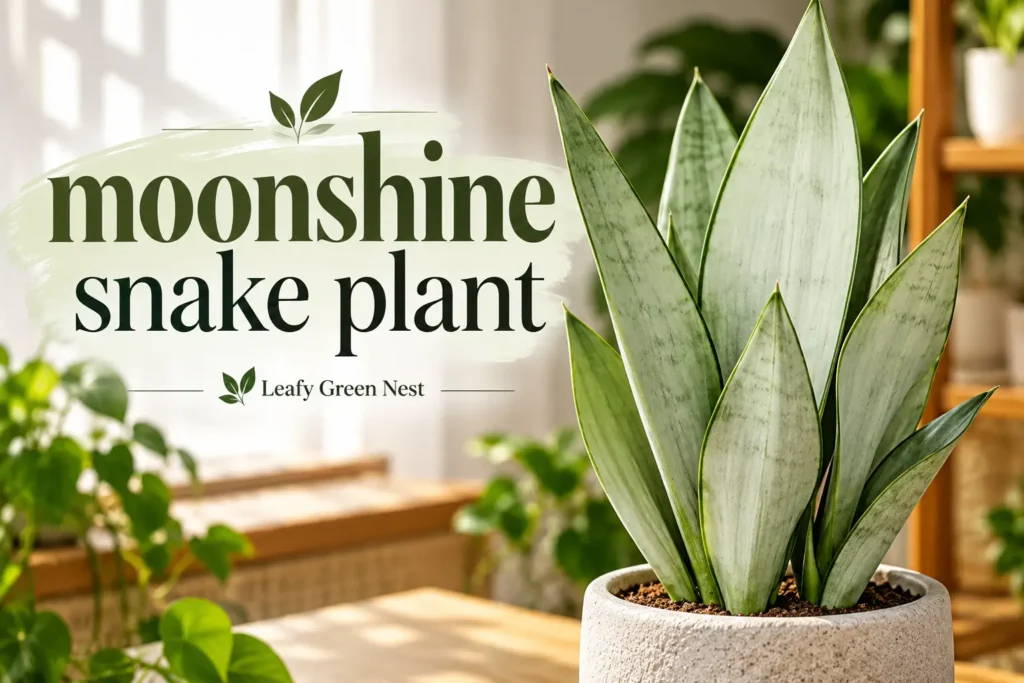
Want a beautiful indoor plant that looks elegant without demanding constant attention? The Moonshine snake plant is a great option for beginners, busy plant owners, and anyone who loves modern indoor greenery. Its upright, silvery-green leaves create a clean look that works well in living rooms, bedrooms, offices, and small apartments.
Also known as Dracaena trifasciata ‘Moonshine’, this snake plant cultivar stands out because of its pale foliage and simple care needs. It tolerates dry conditions and can adapt to different indoor environments. However, overwatering, poor drainage, and very low light can affect its health and appearance.
With the right Moonshine snake plant care routine, you can enjoy its attractive leaves and encourage steady, healthy growth.
Disclosure: This post contains affiliate links. If you purchase through these links, I may earn a small commission at no extra cost to you.
Table of Contents
Moonshine Snake Plant: Products to Consider
If you are searching for a Moonshine snake plant for sale, compare the plant’s identity, condition, size, and seller information before ordering. Amazon listings may include several snake plant varieties, so check the botanical name and product photos carefully.
The following product names were supplied for inclusion in this article. Availability and listing details should be checked on Amazon before publication.
Sansevieria Moonshine Live Plant, 4 Inch Rare Silver Snake Plant
This listing specifically identifies the Moonshine variety and describes its silvery foliage. It is worth considering if you want the distinctive Moonshine appearance in a smaller potted plant. Review the current listing for plant dimensions, pot details, shipping conditions, and seller information.
Best for: Readers looking specifically for the silver-green Moonshine cultivar.
Before ordering: Confirm the plant’s actual condition, size, and included accessories from the current listing.
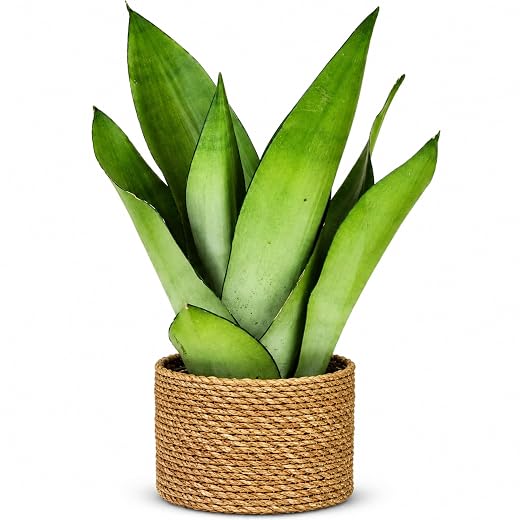
Sansevieria Moonshine Live Plant, 4 Inch Rare Silver Snake Plant
Sansevieria Moonshine (Trifasciata), 4-Inch Plant by California Tropicals
This listing is also named for the Moonshine cultivar. It may suit readers who want a small plant for a desk, shelf, or indoor display.
Review the seller’s current photographs and description to confirm the plant’s identity, condition, and growing requirements. Check the packaging and live-plant policies before placing an order.
Best for: People seeking a specifically labeled Moonshine snake plant.

Sansevieria Moonshine (Trifasciata) - 6'' from California Tropicals
Costa Farms Snake Plant, Live Indoor Plant
This listing is an alternative for readers considering a general snake plant for indoor decoration. However, its product title does not specifically identify the Moonshine cultivar.
Do not assume that it will have the same pale silver-green foliage. Check the actual variety listed before ordering if the Moonshine appearance is important to you.
Best for: Buyers who are open to other snake plant varieties.
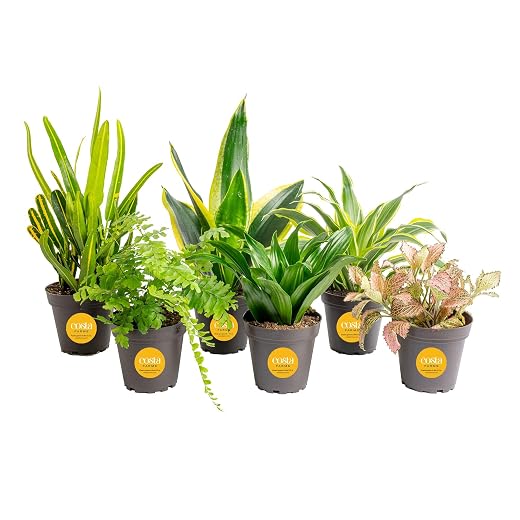
Costa Farms Live Indoor Plant Variety Bundle, 4-Inch Grow Pots, 6-Pack
What to Check Before Buying
Before purchasing a live snake plant online, review the following:
- Plant identity: Look for Sansevieria Moonshine or Dracaena trifasciata ‘Moonshine’ if you want this specific cultivar.
- Leaf condition: Avoid plants with widespread mushy areas, severe damage, or extensive yellowing.
- Pot and drainage: Confirm whether a pot is included and whether it has drainage holes.
- Seller information: Read recent feedback about packaging and plant condition.
- Shipping details: Check expected delivery dates and the seller’s policies for plants damaged in transit.
The Moonshine snake plant price can differ between sellers and listings, so compare the plant’s size, condition, and what is included rather than relying on the product title alone. Current prices, ratings, delivery estimates, and availability may change.
If you use affiliate links, link the product names to your actual affiliate URLs. Do not use ordinary product links as affiliate links unless they have been properly configured.
What Is a Moonshine Snake Plant?
The Moonshine snake plant is an evergreen houseplant known for its broad, upright leaves and soft silver-green color. It belongs to the Asparagaceae family and is a cultivated variety of the snake plant.
Its accepted botanical name is commonly listed as Sansevieria trifasciata ‘Moonshine’. You may also see it sold as Dracaena trifasciata ‘Moonshine’. Both names refer to the same popular cultivar.
According to the Royal Horticultural Society, the plant has stiff, upright leaves with pale silvery-green surfaces, faint horizontal markings, and narrow dark green edges. These features help distinguish it from darker snake plant varieties.
What Makes the Moonshine Variety Special?
The main attraction is its foliage. New leaves can appear especially pale and silvery, while older leaves may develop a deeper green color as they mature.
The plant grows upward from the base instead of trailing over the sides of a pot. Over time, new shoots can form a fuller clump.
Its compact growth habit makes it useful for decorating corners, desks, side tables, and indoor plant displays. It is also relatively low-maintenance, provided you avoid keeping its roots constantly wet.
Moonshine Snake Plant Care
Moonshine snake plant care is straightforward once you understand its needs. The most important factors are suitable lighting, careful watering, and soil that drains well.
1. Light Requirements
The Moonshine snake plant grows best in bright, indirect light. Place it near an east-facing window or a short distance from a bright south- or west-facing window where strong sunlight is filtered.
It can tolerate lower light than many houseplants, which makes it suitable for offices and rooms with limited natural sunlight. However, tolerating low light does not mean growing well in complete darkness. Growth may slow in dim conditions, and the foliage may lose some of its distinctive appearance.
Strong afternoon sunlight can scorch the leaves, especially if the plant has not adjusted to it. If you move your plant to a brighter location, introduce stronger light gradually.
Signs your plant needs a lighting adjustment include:
- Very slow growth in a dark room.
- Bleached or scorched patches after strong direct sunlight.
- Leaves that lean toward the nearest window.
For attractive silver-green foliage, provide consistent indirect light without exposing the plant to intense midday sun for long periods.
2. Watering
Overwatering is one of the most common reasons snake plants develop problems. Their thick leaves store water, allowing them to tolerate dry periods better than many tropical houseplants.
Do not water your Moonshine snake plant simply because a certain number of days has passed. Check the potting mix first.
Push your finger into the soil to check whether it has dried throughout the root zone. Once the mix is dry, water thoroughly until excess water drains from the bottom of the pot. Empty the saucer so the roots do not sit in standing water.
The time between waterings depends on light, temperature, pot size, soil composition, and season. Plants in warm, bright rooms may need water sooner than those in cool, dim spaces. During winter, growth often slows and the soil may stay dry for longer.
Avoid these watering mistakes:
- Watering while the soil is still damp.
- Leaving the pot in a tray of standing water.
- Using a pot without drainage holes.
- Watering small amounts too frequently without checking the soil.
Yellow leaves, soft leaf bases, and foul-smelling soil can indicate root rot. If these symptoms appear, inspect the roots and remove damaged sections before repotting the healthy parts in fresh, well-draining soil.
3. Soil and Potting
The best soil for a Moonshine snake plant drains freely while providing enough support for its roots. Dense soil that remains wet for too long increases the risk of root damage.
A commercial cactus and succulent potting mix is a practical option. You can also improve a suitable houseplant mix with perlite or pumice to create more air spaces and help excess water escape.
Choose a pot with drainage holes. Terracotta containers often dry faster than plastic pots because moisture can escape through their sides. Plastic pots generally retain moisture for longer, so you may need to water less often.
Avoid placing a small plant in a very large container. Extra soil can remain wet around the roots for too long.
The goal is to provide enough moisture for the plant without allowing the root zone to stay saturated.
4. Temperature and Humidity
Moonshine snake plants prefer warm indoor conditions and generally adapt well to normal household humidity. They do not usually need a humidifier or regular misting.
Keep the plant away from frost, cold drafts, and sudden temperature changes. Avoid placing it directly beside an air-conditioning outlet or a cold window during winter.
Good airflow and sensible watering are more important than creating a humid environment. If the room is comfortable for people, it will often be suitable for this adaptable houseplant.
5. Fertilizing
The Moonshine snake plant is not a heavy feeder. A balanced liquid houseplant fertilizer, diluted according to the product label, can support growth during the active growing season.
Apply fertilizer sparingly in spring and summer when new leaves are developing. Reduce or stop feeding during colder, darker periods when growth slows.
Do not apply concentrated fertilizer to dry or stressed roots. Excess fertilizer can cause salt buildup and damage the plant.
If your plant looks healthy but grows slowly, it may not need additional fertilizer. Snake plants are naturally gradual growers, and adding more nutrients will not necessarily make them grow faster.
6. Pruning and Leaf Cleaning
Regular pruning is usually unnecessary. Remove dead, badly damaged, or diseased leaves with clean, sharp scissors or pruning shears.
Cut unwanted leaves close to the soil without damaging nearby growth. Avoid cutting healthy leaves simply to reduce the plant’s height because trimmed tips will not regain their original pointed shape.
Dust can collect on the broad leaves and dull their appearance. Wipe them gently with a soft, slightly damp cloth. Avoid harsh cleaning products and leaf-shine sprays.
How to Repot a Moonshine Snake Plant
Moonshine snake plants do not need frequent repotting. They often remain comfortable in the same container for years if the roots are healthy and the soil drains properly.
Repot when roots fill most of the container, the pot becomes unstable, or the potting mix breaks down and retains too much water.
Choose a container only slightly larger than the existing root ball. Carefully remove the plant and inspect its roots. Healthy roots should feel firm, while rotten roots may look dark and feel soft or mushy.
Remove damaged roots with a clean tool and place the healthy plant in fresh, well-draining mix. Keep the leaf bases at their previous depth.
After repotting, monitor the soil rather than following a fixed watering schedule. Avoid keeping the mix continuously wet while the plant adjusts.
Moonshine Snake Plant Propagation
Moonshine snake plant propagation is a practical way to grow additional plants from an established specimen. The two main methods are division and leaf cuttings.
Method 1: Propagation by Division
Division is generally the best method when you want new plants that retain the Moonshine cultivar’s characteristic appearance.
- Remove the mature plant from its pot.
- Find separate clusters of leaves connected by underground rhizomes.
- Gently separate a cluster, making sure it has healthy roots and a growing point.
- Place each division in a suitable pot filled with fresh, well-draining mix.
- Keep the new plants in bright, indirect light and water carefully.
Avoid dividing a small or unhealthy plant. Each section needs enough roots and healthy growth to establish itself.
Method 2: Propagation by Leaf Cuttings
Leaf cuttings are another option, although they require patience and may not preserve the original cultivar’s appearance.
- Choose a healthy leaf and cut it into sections.
- Mark the end of each section that originally faced the plant’s base.
- Allow the cut surfaces to dry before planting.
- Insert the correct end into a lightly moist, well-draining propagation medium.
- Keep the medium from becoming waterlogged and provide warmth and indirect light.
New roots and shoots may take considerable time to develop. Not every cutting will succeed.
Important: Leaf cuttings from variegated snake plant cultivars may not retain the parent plant’s exact coloration. Division is the more dependable choice if you want to preserve the Moonshine cultivar’s silver-green foliage.
Moonshine Snake Plant Benefits
The Moonshine snake plant offers several practical benefits for indoor gardeners. Most relate to its appearance, adaptable nature, and relatively simple care requirements.
1. Attractive Silver-Green Foliage
Its pale leaves create a striking contrast against dark furniture, neutral walls, and other green houseplants. The upright shape also adds visual height without taking up as much horizontal space as spreading plants.
2. Relatively Low Maintenance
This plant tolerates dry intervals and requires little pruning or fertilizer. It suits people who want indoor greenery without a demanding care routine.
However, low maintenance does not mean no maintenance. The plant still needs suitable light, well-draining soil, and occasional checks for pests or root problems.
3. Suitable for Different Indoor Spaces
The upright growth habit makes the Moonshine snake plant useful for desks, corners, offices, and living rooms. It can be displayed alone or grouped with other houseplants that have different leaf colors and shapes.
4. Long-Term Decorative Value
With suitable care, a Moonshine snake plant can remain attractive for years. New shoots may gradually form a fuller clump, giving the plant a more mature appearance.
Some sources describe snake plants as air-purifying plants. However, claims about significant air-cleaning effects in ordinary homes should not be overstated. A houseplant should not replace proper ventilation or an air purifier when one is needed.
Moonshine Snake Plant Spiritual Meaning
The spiritual meaning of the Moonshine snake plant depends on cultural traditions and personal beliefs rather than established scientific evidence.
In some plant symbolism and feng shui discussions, snake plants are associated with protection, resilience, strength, and positive energy. Their upright leaves are sometimes viewed as symbols of determination and personal growth.
The Moonshine variety’s silvery foliage may also be associated with calmness, clarity, and a peaceful indoor environment.
These interpretations can make the plant a thoughtful housewarming or office gift. However, they are symbolic meanings, not proven effects on luck, relationships, health, or financial success.
If you enjoy assigning meaning to your houseplants, choose an interpretation that feels personally meaningful while caring for the plant according to its actual growing needs.
Moonshine Snake Plant Flower and Height
Moonshine snake plants are mainly grown for their foliage, but mature snake plants can occasionally produce flowers under suitable conditions.
Does the Moonshine Snake Plant Flower?
Flowering is uncommon for indoor snake plants. When it occurs, small, pale greenish-white flowers may appear along an upright flower stalk. Some snake plant flowers have a noticeable fragrance.
A plant does not need to flower to be healthy. Do not deliberately stress it or withhold essential care to encourage flowering.
How Tall Does a Moonshine Snake Plant Grow?
The Royal Horticultural Society lists the mature height of Sansevieria trifasciata ‘Moonshine’ at approximately 0.5 to 1 metre, or about 20 to 39 inches. Its spread may range from 0.1 to 0.5 metres.
Actual size depends on the plant’s maturity and growing conditions. Growth is generally gradual, so a small nursery plant may take years to reach its mature form.
Common Moonshine Snake Plant Problems
Most problems can be traced to watering mistakes, unsuitable lighting, or pests. Check the leaves, roots, and soil together before deciding how to treat your plant.
| Problem | Possible cause | What to do |
|---|---|---|
| Yellow leaves | Excess water or root damage | Check soil moisture and inspect roots if symptoms continue. |
| Brown leaf tips | Physical damage or environmental stress | Review watering and protect leaves from damage. |
| Soft or mushy leaves | Possible root rot | Inspect roots and remove damaged sections. |
| Wrinkled leaves | Prolonged dryness or damaged roots | Check soil and root health before watering. |
| Slow growth | Low light, seasonal changes, or normal growth habit | Provide suitable indirect light and allow time for growth. |
| Pests on leaves | Mealybugs, spider mites, or other pests | Isolate the plant and identify the pest before treatment. |
Why Are Moonshine Snake Plant Leaves Turning Yellow?
Yellow leaves are not always caused by underwatering. Persistently wet soil and damaged roots are important possibilities to investigate.
Check whether the soil remains wet long after watering. If it does, review the pot’s drainage, soil structure, and watering routine.
A single older leaf may yellow as the plant develops. However, several yellow leaves, soft bases, or a foul smell may indicate a more serious problem.
How Can You Prevent Root Rot?
Use a pot with drainage holes, a suitable potting mix, and a watering routine based on soil moisture. Never leave the plant sitting in standing water.
If root rot has developed, remove the affected roots and repot the healthy portions in fresh mix. Severely damaged plants may not recover.
Moonshine Snake Plant Toxicity and Pet Safety
The Moonshine snake plant should not be considered pet-safe. The Royal Horticultural Society identifies the cultivar as harmful if eaten, and snake plants can cause adverse reactions when chewed or swallowed.
Keep the plant out of reach of cats, dogs, and young children. If a pet eats part of the plant and develops symptoms, contact a veterinarian for advice.
Wear gloves when handling damaged roots or removing leaves if you have sensitive skin. Wash your hands after working with the plant and keep cut leaves away from pets.
Key Takeaways
- The Moonshine snake plant is valued for its upright, silvery-green foliage.
- Bright, indirect light supports healthy growth and attractive leaves.
- Let the soil dry thoroughly between waterings.
- Use well-draining soil and a pot with drainage holes.
- Propagation by division is the better option for preserving cultivar characteristics.
- Flowering is possible but uncommon indoors.
- Keep the plant away from pets and children who might chew or swallow it.
- When shopping online, confirm the exact cultivar instead of relying on the general term “snake plant.”
Final Verdict
The Moonshine snake plant is an excellent option for people who want an attractive, upright houseplant with relatively simple care needs. Its silver-green leaves create a distinctive look, and its tolerance for dry conditions suits many homes and offices.
The most important part of Moonshine snake plant care is avoiding persistently wet soil. Provide suitable indirect light, a well-draining pot, and time for the plant to grow at its natural pace.
If you are buying one online, choose a listing that clearly identifies the Moonshine cultivar and provides useful information about plant condition and shipping. If you have pets that chew plants, keep this variety out of their reach or consider a safer alternative.
Frequently Asked Questions
How do you care for a Moonshine snake plant?
Provide bright, indirect light, well-draining soil, and a pot with drainage holes. Water only when the soil has dried thoroughly.
How often should you water a Moonshine snake plant?
Water when the potting mix is dry throughout. Frequency varies with light, temperature, pot size, soil, and season.
How tall does a Moonshine snake plant grow?
A mature Moonshine snake plant can reach approximately 20 to 39 inches tall under suitable growing conditions.
How do you propagate a Moonshine snake plant?
Division is generally the best method for preserving the cultivar’s appearance. Leaf cuttings are possible but may not retain its characteristic coloration.
Does a Moonshine snake plant flower?
Yes, mature plants can occasionally produce small, pale greenish-white flowers. Flowering is uncommon indoors, and a plant can remain healthy without flowering.
Is the Moonshine snake plant safe for cats and dogs?
No. Snake plants can be harmful if eaten. Keep the plant away from pets and contact a veterinarian if your pet ingests it and develops symptoms.


