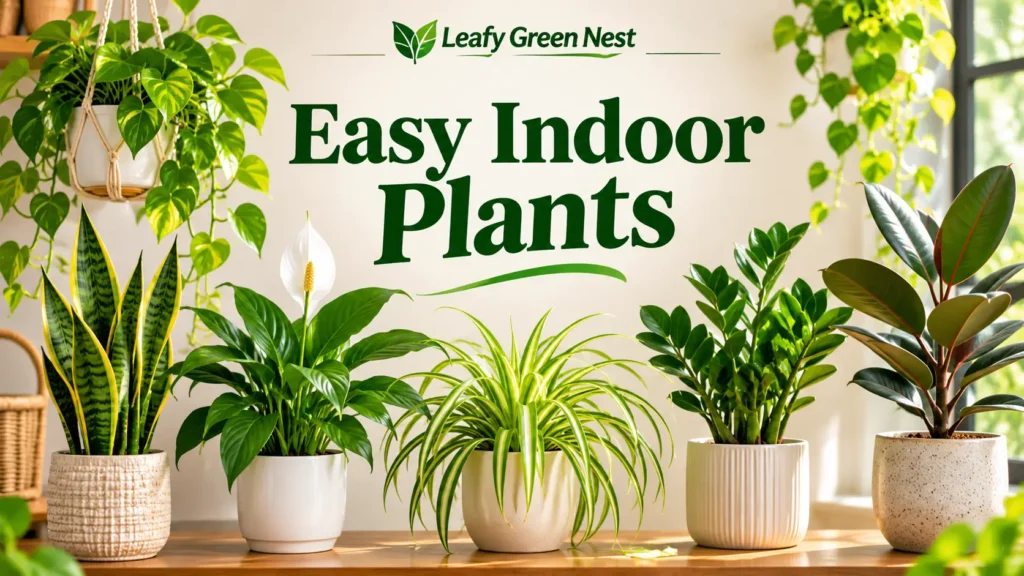
Easy indoor plants are a simple way to bring natural beauty into your home without spending hours on gardening. Whether you live in an apartment, have limited sunlight, or are growing your first houseplant, there are plenty of varieties that require very little attention.
Some plants tolerate low light, while others grow beautifully in hanging baskets or large floor pots. The best choices include snake plants, pothos, ZZ plants, spider plants, peace lilies, and rubber plants.
You do not need a green thumb or an expensive gardening setup to grow healthy houseplants. You only need to choose plants that match your home’s lighting, understand their watering needs, and provide suitable growing conditions.
Disclosure: This post contains affiliate links. If you purchase through these links, I may earn a small commission at no extra cost to you.
Table of Contents
What Are Easy Indoor Plants?
Easy indoor plants are houseplants that grow well inside homes with relatively simple care requirements. They generally tolerate common indoor conditions and do not need constant watering, pruning, or fertilizing.
These plants are particularly suitable for beginners, busy homeowners, apartment residents, and people who want attractive greenery without a demanding gardening routine.
| Important factor | What beginners should know |
|---|---|
| Difficulty | Easy to moderate |
| Maintenance | Generally low |
| Best locations | Bedrooms, offices, kitchens, and living rooms |
| Lighting | Low to bright indirect light |
| Watering | Depends on plant variety |
| Best beginner choices | Snake plant, pothos, and ZZ plant |
| Main care requirement | Suitable light and well-draining soil |
The easiest plants are not necessarily the ones that need no attention. They are the varieties that can handle normal indoor conditions without requiring constant adjustments.
Top 10 Low Maintenance Indoor Plants for Every Home
Low maintenance indoor plants are ideal for people with busy schedules or limited gardening experience. Many tolerate occasional watering mistakes and adapt well to indoor environments.
Here are some reliable choices that combine attractive foliage with relatively simple care.
Snake Plant
The snake plant, also known as Dracaena trifasciata, is one of the most forgiving indoor houseplants. Its tall, upright leaves feature attractive green patterns and sometimes yellow edges.
It grows well in different indoor lighting conditions and stores water in its thick leaves.
Care Requirements
- Light: Low to bright indirect light.
- Watering: Allow the soil to dry completely.
- Soil: Well-draining succulent or houseplant mix.
- Growth: Slow to moderate.
- Best placement: Bedrooms, offices, and living rooms.
Expert Tip
Overwatering is the biggest threat to snake plants. During cooler months, the soil may take longer to dry, so always check it before watering.

Live Snake Plant, Sansevieria trifasciata Superba, Fully Rooted Indoor House Plant in Pot, Mother in Law Tongue Sansevieria Plant, Potted Succulent Plant,...
Pothos
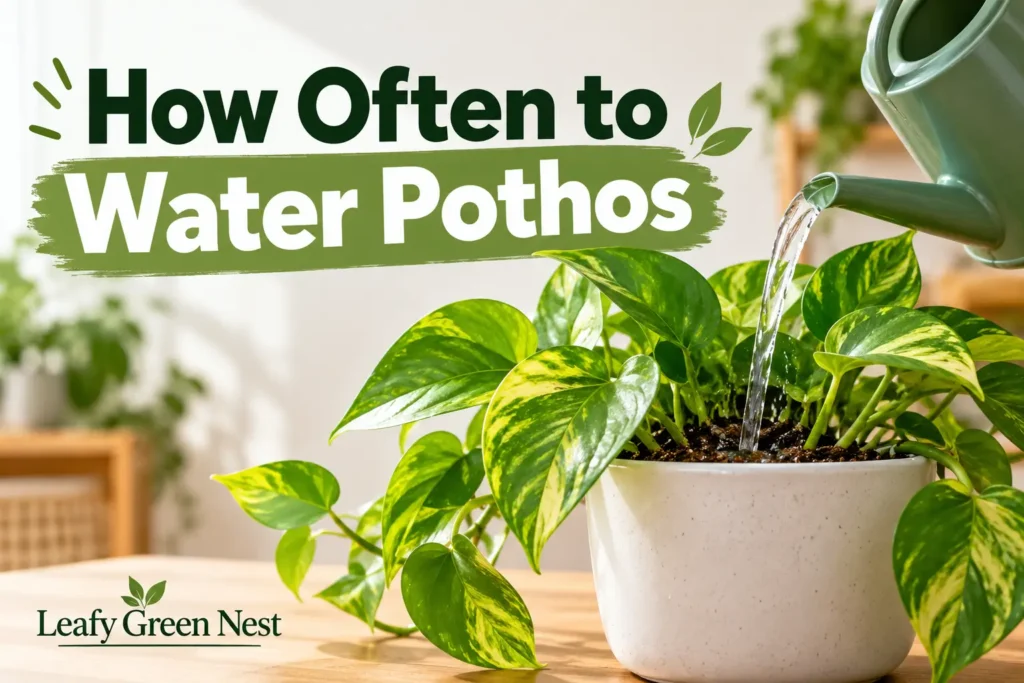
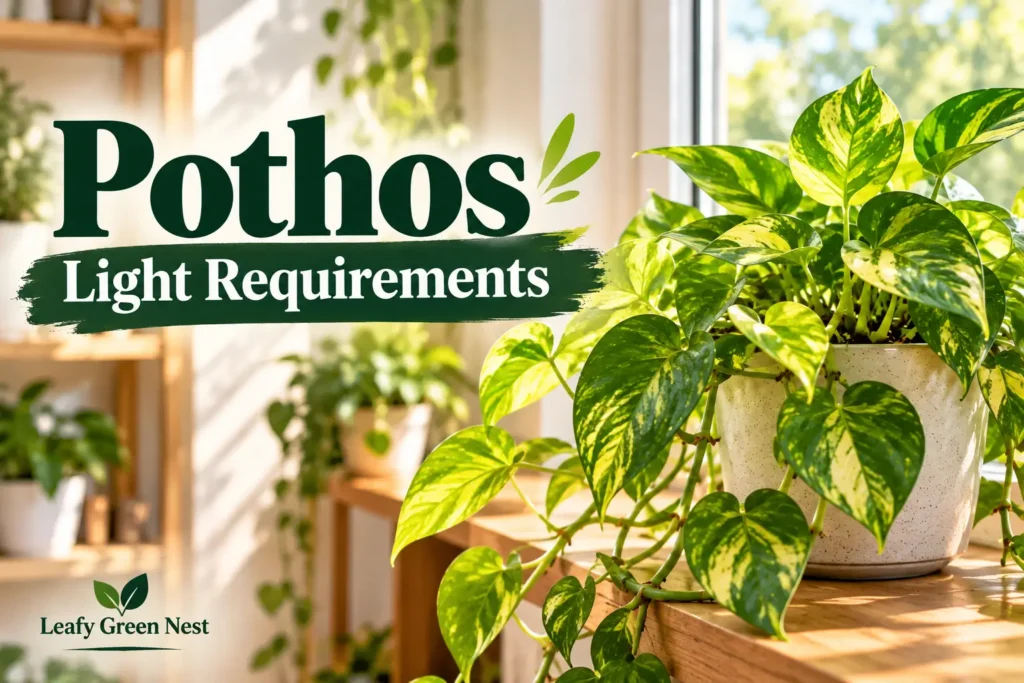
Pothos is a popular trailing houseplant with attractive heart-shaped leaves. Its vines can grow along shelves, hang from baskets, or climb a support.
Golden pothos, marble queen, and jade pothos are popular varieties.
Care Requirements
- Light: Low to bright indirect light.
- Watering: When the upper soil begins to dry.
- Soil: Well-draining indoor potting mix.
- Growth: Moderate to fast in suitable conditions.
- Best placement: Shelves, hanging baskets, and living rooms.
Pothos is also easy to propagate. Cut a healthy stem below a leaf node and place it in water until roots develop.

365 Blooming Decor Realistic Artificial Potted Pothos Ivy Plant(Devil's Ivy), Scindapsus Aureus, Premium Fake Plant for Home, Office Decor, 30" H x 22.8" W,...
ZZ Plant
The ZZ plant is known for its glossy leaves and ability to tolerate neglect. Its underground rhizomes store water, helping it survive periods without frequent watering.
It is an excellent choice for offices, bedrooms, and areas that receive limited natural light.
Care Requirements
- Light: Low to bright indirect light.
- Watering: Allow the soil to dry between watering.
- Soil: Well-draining potting mix.
- Growth: Slow.
- Best placement: Office desks and shaded living spaces.
Avoid keeping the ZZ plant in wet soil because excessive moisture can damage its roots.

PLANTVERS Raven ZZ Plant in Nursery Pot | Zamioculcas Zamiifolia ‘Raven’ | Low-Light Black Foliage Indoor Plant | Drought-Tolerant Air Purifier for Home or...
Spider Plant
Spider plants have long, narrow leaves that often feature attractive green and white stripes. Mature plants produce small baby plants called spiderettes.
These baby plants can be separated and grown in individual containers.
Care Requirements
- Light: Medium to bright indirect light.
- Watering: When the upper soil begins to dry.
- Soil: Well-draining indoor mix.
- Growth: Moderate to fast.
- Best placement: Hanging baskets and windowsills.
Spider plants are particularly useful for beginners who want to learn plant propagation.

3 Pack Spider Plant Live Indoor Houseplants, Fully Rooted Well-Established Plants (Not Cuttings), Air- Purifying Airplane Plant for Hanging Baskets, Home &...
Peace Lily
Peace lilies are popular because they combine dark green foliage with elegant white flowers. They add a decorative touch to living rooms and shaded indoor spaces.
Unlike drought-tolerant plants, peace lilies prefer more consistent moisture.
Care Requirements
- Light: Medium to bright indirect light.
- Watering: Keep the soil lightly moist.
- Soil: Moisture-retaining but well-draining mix.
- Growth: Moderate.
- Best placement: Living rooms and bedrooms.
Drooping leaves can indicate that a peace lily needs water, but repeated wilting should be avoided. Peace lilies are toxic to cats and dogs if chewed.

Costa Farms Peace Lily, Live Indoor Plant, Air Purifying, White Flowers
Heartleaf Philodendron
Heartleaf philodendron produces beautiful heart-shaped leaves along long trailing stems. It is a good alternative to pothos for shelves and hanging containers.
It grows well in suitable indoor conditions and can be propagated through stem cuttings.
Care Requirements
- Light: Medium to bright indirect light.
- Watering: When the upper soil begins to dry.
- Soil: Well-draining houseplant mix.
- Growth: Moderate to fast.
- Best placement: Bookshelves and hanging baskets.
Keep philodendrons away from pets because they contain calcium oxalate crystals.

BubbleBlooms Philodendron Micans Hederaceum 4 inch Pot Heart-Leaf Philo, Sweetheart Plant
Cast-Iron Plant
The cast-iron plant is famous for tolerating conditions that challenge many other houseplants. Its broad, dark green leaves create an attractive appearance without demanding much attention.
It is especially useful for rooms with limited natural light.
Care Requirements
- Light: Low to medium indirect light.
- Watering: Allow some soil drying between waterings.
- Soil: Well-draining potting mix.
- Growth: Slow.
- Best placement: Hallways and shaded rooms.
Its slow growth makes it a good choice for people who prefer plants that do not need frequent trimming.

Aspidistra Milky Way Cast Iron Plant | 4 inch | Tropical Ambiance
Chinese Evergreen
Chinese evergreen, also known as Aglaonema, is available in many attractive varieties. Its leaves may feature green, silver, pink, or red patterns.
It tolerates lower indoor light, although colorful varieties generally need brighter indirect light to maintain their patterns.
Care Requirements
- Light: Low to medium indirect light.
- Watering: When the upper soil begins to dry.
- Soil: Well-draining indoor mix.
- Growth: Slow to moderate.
- Best placement: Offices and living rooms.
Chinese evergreen is toxic if ingested, so keep it away from pets and children.

2-Pack Aglaonema Ruby Ray Live Indoor Plants in 4-Inch Decorative Pots Chinese Evergreen Houseplants for Office and Home Decor by United Nursery
Aloe Vera
Aloe vera is a popular succulent with thick leaves that store water. It is suitable for people who prefer plants that do not need frequent watering.
It also grows well in containers and can be maintained near a bright window.
Care Requirements
- Light: Bright light with some direct sunlight.
- Watering: Allow the soil to dry completely.
- Soil: Fast-draining succulent mix.
- Growth: Moderate in suitable conditions.
- Best placement: Sunny windowsills and bright kitchens.
Avoid keeping aloe vera in constantly moist soil. Its roots can rot when drainage is poor.

Seven Minerals Pure Aloe Vera Gel, 8 Hrs From Harvest, with 98.7% Organic Texas Aloe - Freshly Cut Leaves, Not Powder - Big 12 oz - Unscented, Non-Sticky,...
Peperomia
Peperomia is a compact houseplant with attractive leaves that come in different shapes, textures, and colors. Its small size makes it suitable for apartments, workspaces, and shelves.
Many varieties store some moisture in their leaves, so they do not need constant watering.
Care Requirements
- Light: Medium to bright indirect light.
- Watering: Allow the upper soil to dry.
- Soil: Loose, well-draining potting mix.
- Growth: Slow to moderate.
- Best placement: Desks, shelves, and small tables.
Peperomia is an excellent option if you want a decorative plant that does not occupy much space.
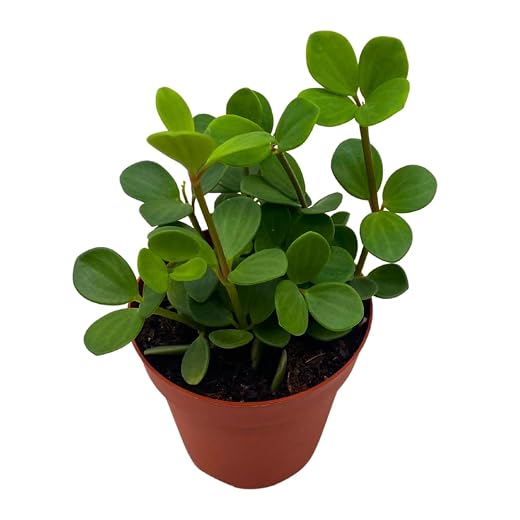
BubbleBlooms Peperomia Hope in a 4 inch Pot rotundifolia
Easy Indoor Plants Low Light for Rooms With Limited Sunlight
Easy indoor plants low light varieties are useful for homes that do not receive direct sunlight throughout the day. They can tolerate shaded locations, although they still need some light to survive and grow.
The best choices include snake plants, ZZ plants, cast-iron plants, Chinese evergreen, and pothos.
Best Low-Light Options
| Plant | Low-light tolerance | Care difficulty |
|---|---|---|
| Snake plant | High | Very easy |
| ZZ plant | High | Very easy |
| Cast-iron plant | High | Easy |
| Chinese evergreen | Good | Easy |
| Pothos | Good | Easy |
Keep in mind that low light does not mean complete darkness. If a room has no windows, an appropriate grow light can provide the energy plants need for photosynthesis.
Expert Tip
Plants with colorful or variegated leaves often need brighter conditions than their completely green counterparts.
Easy Plants to Take Care of for Beginners
Easy plants to take care of for beginners should tolerate ordinary indoor conditions and have straightforward watering requirements. Starting with forgiving varieties makes it easier to learn basic gardening skills.
Best Plants for First-Time Owners
- Snake plant for minimal watering.
- ZZ plant for low-light rooms.
- Pothos for trailing greenery.
- Spider plant for easy propagation.
- Peperomia for desks and small spaces.
Start with one or two plants rather than filling your home with different varieties immediately.
Observe how quickly the soil dries, how the leaves respond to light, and whether new growth appears. These simple observations will help you understand what your plants need.
Easy Indoor Plants Tall Enough to Decorate Your Home
Easy indoor plants tall enough to fill empty corners can make a room feel more inviting. They add height, natural texture, and visual interest without requiring additional decorations.
Some excellent options include rubber plants, dracaena, snake plants, and parlor palms.
Best Tall Indoor Plant Choices
Tall indoor plants add height, natural beauty, and visual interest to empty corners and living spaces.
Rubber plants, dracaena, snake plants, and parlor palms are attractive options that suit different indoor conditions.
Rubber Plant
This indoor tree has large, glossy leaves and can grow considerably tall with suitable conditions. It prefers bright indirect light.
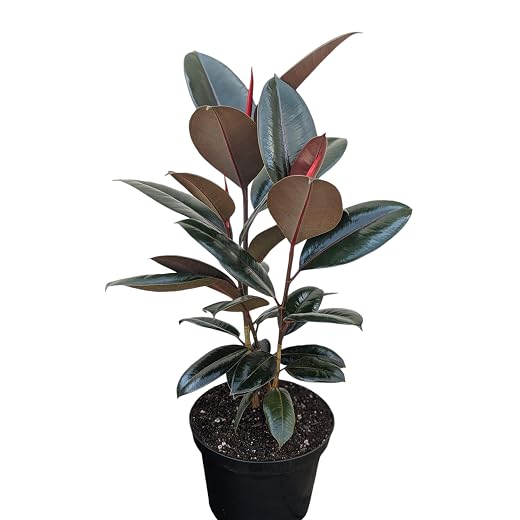
Burgundy Rubber Plant, 8 inch Pot, Live Indoor Ficus Elastica Tree, 2-3 Feet Tall
Dracaena
Its long, decorative leaves create an attractive vertical shape. Most varieties prefer indirect light and moderate watering.

Easy to Grow Dracaena Janet Craig - 2 Potted Houseplants in Grower Pots, Compact Low Maintenance
Snake Plant
Its upright leaves provide height without occupying much floor space. It is particularly useful for smaller rooms.

Altman Plants Live Snake Plant (Laurentii), Virtually Indestructible, Easy Succulent Houseplant, 4 in Pot
Parlor Palm
This compact palm adds a tropical appearance and tolerates lower indoor light.
Choose a variety based on its mature height and available space. A plant that looks small in a nursery pot may eventually need a much larger area.

Live Parlor Palm Plant, Neanthe Bella Palm, Pet Safe, 4" Pot
Easy Indoor Plants Hanging for Small Spaces
Easy indoor plants hanging varieties are perfect for apartments, small bedrooms, and homes where floor space is limited. They allow you to add greenery to empty vertical areas.
Pothos, spider plants, heartleaf philodendrons, and English ivy are popular choices.
Popular Hanging Plant Choices
Popular hanging plants like pothos, spider plants, and heartleaf philodendrons add beautiful greenery without taking up floor space. They grow attractive trailing vines and are easy to maintain in hanging baskets or on high shelves.
Pothos
Pothos produces long trailing vines that look attractive in hanging baskets and on high shelves.

Golden Pothos Plant Live in Hanging Planter Pot Live by Plants for Pets, 1 Count
Spider Plant
Spider plants develop small baby plants that hang from their stems, creating a full and decorative appearance.

Shop Succulents Spider Plant, Hanging Live Indoor Plant, Easy Care Hanging Trailing Houseplant in Nursery Pot, Air Purifying Plant in Soil, Housewarming,...
Heartleaf Philodendron
This plant offers cascading foliage that looks attractive on shelves and in hanging containers.

Shop Succulents Brasil Philodenron Heartleaf Hanging Plant, Live Indoor Plant, Easy Care Hanging Ivy Houseplant in Nursery Pot, Air Purifying Plant in Soil,...
Hanging Plant Safety and Care
When choosing a hanging plant, consider three things:
- The basket should have suitable drainage.
- The plant should receive enough natural or artificial light.
- The ceiling hook should safely support the combined weight of the pot, soil, and water.
Avoid placing hanging plants too close to hot windows or air-conditioning vents.
Easy Plants to Grow Vegetables Indoors
Easy plants to grow vegetables indoors include herbs, leafy greens, and microgreens. These edible plants can grow in containers and provide fresh ingredients for everyday cooking.
Unlike many decorative houseplants, vegetables and herbs generally need brighter light and more regular attention.
Basil
Basil is a popular kitchen herb that grows well in containers. It needs plenty of sunlight, regular watering, and occasional trimming.

Badia Basil Leaves, 4 oz
Mint
Mint is easy to grow and produces fresh leaves for drinks, salads, and meals. Keep it in a separate pot because its roots and stems spread quickly.
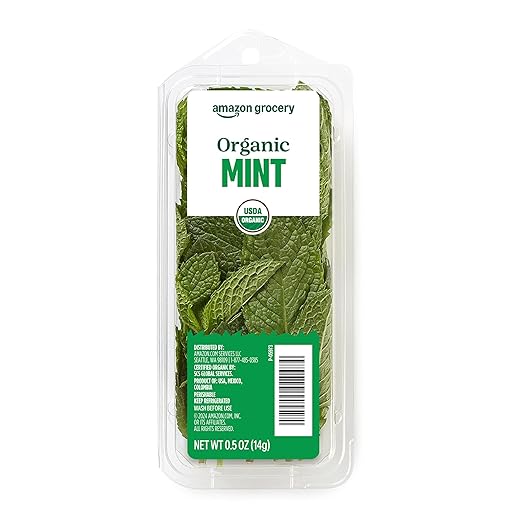
Amazon Grocery, Organic Mint, 0.5 Oz
Chives
Chives are compact herbs that grow well on sunny windowsills. Their leaves can be harvested regularly for soups and salads.

Spice Islands Snipped Chives, 0.1 Ounce
Leafy Lettuce
Lettuce varieties can grow indoors when they receive enough light and consistent moisture. Loose-leaf varieties are particularly suitable for container gardening.

Organic Lettuce Green Leaf, 1 Each
Microgreens
Microgreens are young edible seedlings harvested shortly after germination. They require little space and can be grown in shallow trays.
For more practical information about indoor herbs, explore the University of Maryland Extension guide to growing herbs indoors.

Microgreens Growing Kit - Self-Watering Tray with US Premium Seeds
Easy Indoor Plants for Air Quality: What Research Says
Easy indoor plants for air quality are often discussed as natural air purifiers. However, their ability to remove indoor pollution is more limited than many people believe.
Plants absorb carbon dioxide and exchange gases through their leaves. Some laboratory studies have also shown that plants can remove certain volatile organic compounds under controlled conditions.
But ordinary homes have different conditions from laboratory experiments. A few indoor plants cannot replace proper ventilation or an air filtration system.
Practical Ways to Improve Indoor Air
- Ventilate rooms regularly.
- Control indoor moisture to prevent mold.
- Avoid smoking indoors.
- Maintain clean heating and cooling systems.
- Use suitable air filtration when necessary.
Choose indoor plants for their appearance, enjoyment, and gardening benefits rather than relying on them as your main air-cleaning solution.
How to Take Care of Easy Indoor Plants
Most easy indoor plants need a few basic things to remain healthy. Suitable lighting, proper watering, well-draining soil, and appropriate containers are the foundations of good indoor plant care.
Choose the Right Location
Place plants according to their lighting requirements. Snake plants tolerate lower light, while aloe vera and jade plants need brighter conditions.
Water According to Soil Moisture
Do not follow one watering schedule for every plant. Check the soil before watering and understand whether your particular variety prefers dry or slightly moist conditions.
Use Suitable Potting Soil
Choose a well-draining indoor potting mix. Succulents need faster-draining soil than many tropical foliage plants.
Select Pots With Drainage Holes
Drainage holes allow excess water to escape and reduce the risk of root rot. Never allow decorative containers to hold standing water around the nursery pot.
Clean Leaves Regularly
Dust can collect on indoor foliage and make leaves look dull. Gently wipe broad leaves with a soft, damp cloth.
Fertilize When Necessary
Use a suitable houseplant fertilizer during active growth. Follow the product instructions and avoid excessive feeding.
Repot When Plants Outgrow Their Containers
Roots growing through drainage holes or tightly filling the pot can indicate that repotting is necessary. Choose a container slightly larger than the existing root ball.
Common Indoor Plant Problems and How to Fix Them
Even beginner-friendly plants can develop problems when their growing conditions are unsuitable. Recognizing early symptoms can help prevent serious damage.
| Plant problem | Possible cause | What to do |
|---|---|---|
| Yellow leaves | Overwatering or natural aging | Check soil moisture and roots |
| Brown leaf tips | Dry air, inconsistent watering, or salt buildup | Review watering and water quality |
| Drooping leaves | Underwatering or root problems | Check soil before watering |
| Slow growth | Insufficient light or seasonal dormancy | Review lighting and growing conditions |
| Soft stems | Excess moisture and possible rot | Remove damaged parts and correct watering |
| Small insects | Pest infestation | Isolate plant and inspect foliage |
One common mistake is adding more water whenever leaves look droopy. Both overwatering and underwatering can cause similar symptoms.
Always inspect the soil and roots before deciding what action to take.
How to Choose the Best Easy Indoor Plants for Your Home
The best easy indoor plants depend on your available sunlight, room size, daily routine, and household needs. Choosing according to these factors is more reliable than purchasing a plant simply because it looks attractive.
Match Plants to Your Needs
| Your requirement | Recommended plant |
|---|---|
| First-time plant owner | ZZ plant |
| Low-light room | Snake plant |
| Tall decorative plant | Rubber plant |
| Hanging greenery | Pothos |
| Small desk plant | Peperomia |
| Flowering indoor plant | Peace lily |
| Minimal watering | Snake plant |
| Kitchen herb garden | Basil and mint |
| Tropical appearance | Parlor palm |
| Colorful foliage | Chinese evergreen |
Before purchasing a houseplant, check its mature size, light requirements, watering needs, and suitability around pets.
Also remember that pothos, philodendrons, dracaena, peace lilies, and several other popular houseplants can be harmful to pets if chewed. Aloe vera and jade plants are also toxic to cats and dogs.
Best Easy Indoor Plants for a Greener and Healthier Home
Easy indoor plants make it possible to enjoy natural greenery without turning gardening into a demanding daily task. Snake plants, pothos, ZZ plants, and spider plants are excellent starting choices for beginners.
If your home has limited sunlight, consider cast-iron plants and Chinese evergreen. For small spaces, choose pothos, spider plants, or compact peperomia varieties. If you prefer taller greenery, rubber plants and dracaena can create an attractive indoor display.
The secret to successful indoor gardening is choosing plants that match your home’s conditions. Start with a few suitable varieties, learn their watering and lighting needs, and expand your collection gradually.
Frequently Asked Questions About Easy Indoor Plants
What Are the Easiest Indoor Plants to Keep Alive?
Snake plants, ZZ plants, pothos, and cast-iron plants are among the easiest indoor plants to maintain. They tolerate different indoor conditions and generally require relatively little attention.
Is There an Indoor Plant That Can Grow Without Sunlight?
No living plant can grow indefinitely without light. Snake plants and ZZ plants tolerate low-light environments, while artificial grow lights can support plants in rooms without natural sunlight.
Can Indoor Plants Survive If I Forget to Water Them?
Some indoor plants can tolerate occasional missed watering. Snake plants, ZZ plants, and aloe vera store water in their tissues, allowing them to survive longer between watering sessions.
Should Beginners Buy Tall Indoor Plants?
Yes, beginners can grow tall indoor plants if they have suitable space and lighting. Snake plants and dracaena are useful starting options, while rubber plants need brighter indirect light.
Why Are My Indoor Plant Leaves Turning Yellow?
Yellow leaves can result from overwatering, underwatering, insufficient light, nutrient problems, or natural aging. Check soil moisture and inspect the roots to identify the possible cause.
Does Having Indoor Plants Improve Air Quality?
Plants can absorb some airborne compounds under controlled conditions, but ordinary houseplants have limited air-cleaning effects in real homes. Ventilation and suitable air filtration are more reliable solutions.