
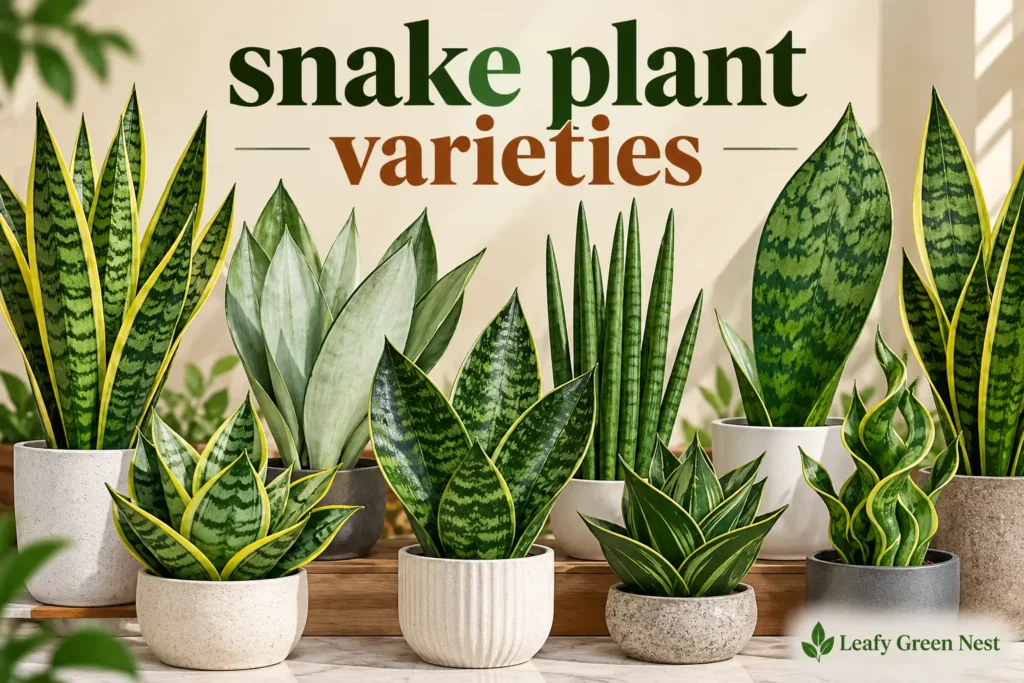
Snake plant varieties come in many shapes, sizes, and colors, making them popular choices for homes, offices, and indoor gardens. From the silvery leaves of Moonshine to the golden edges of Laurentii and the compact shape of Whitney, there is a snake plant for almost every space.
If you want to compare snake plant varieties with names, understand their differences, or find the best type for your home, this guide covers 23 options, including popular cultivars and less common species. You will also learn how to choose, grow, and care for these easygoing houseplants.
Disclosure: This post contains affiliate links. If you purchase through these links, I may earn a small commission at no extra cost to you.
Table of Contents
What Is a Snake Plant?
A snake plant is an evergreen houseplant known for its firm, upright leaves and ability to tolerate dry soil. These plants belong to the genus Dracaena and were formerly classified under the genus Sansevieria.
Most varieties have sword-shaped leaves with green bands, yellow margins, silver markings, or unusual cylindrical forms. Their water-storing leaves help them survive dry periods, making them suitable for people who prefer low-maintenance plants.
Key Takeaways
Snake plants are available in tall, compact, broad-leafed, and cylindrical forms, so choosing the right type depends on your space and style. Most varieties share similar care needs, including well-draining soil, moderate light, and careful watering.
- Best classic variety: Laurentii, with green leaves and yellow edges.
- Best silver variety: Moonshine, known for its pale foliage.
- Best compact variety: Whitney or Bird’s Nest Hahnii.
- Best unusual shape: Cylindrica or Whale Fin.
- Best for collectors: Bantel’s Sensation and less common species.
- Main care rule: Let the soil dry thoroughly before watering again.
- Pet safety: Snake plants are toxic to cats and dogs if eaten.
Types of Snake Plants With Names
These 23 types of snake plants include familiar houseplant favorites and less common options for collectors. Compare their leaf patterns, growth habits, and care requirements before choosing one for your home.
Laurentii Snake Plant
Laurentii is one of the most recognizable snake plant varieties, with long green leaves bordered by golden-yellow edges. It creates an attractive vertical accent in living rooms, hallways, and office corners.
It usually grows taller than dwarf varieties and performs well in bright, indirect light. Choose Laurentii if you want a traditional snake plant with bold color contrast.

Altman Plants Sansevieria Laurentii Snake Plants, White Planter, Variegated Snake Plant Decor, Easy Plant Gift & Desk Plant, Live Snake Plant Live Indoor...
Moonshine Snake Plant
The Moonshine Snake Plant has broad, silvery-green leaves that give it a soft, modern appearance. Mature leaves may develop darker green edges, while new growth can look brighter or greener.
Moonshine is an excellent choice for minimalist interiors and neutral-colored rooms. Bright, indirect light helps maintain its attractive foliage, although it can tolerate lower-light conditions.
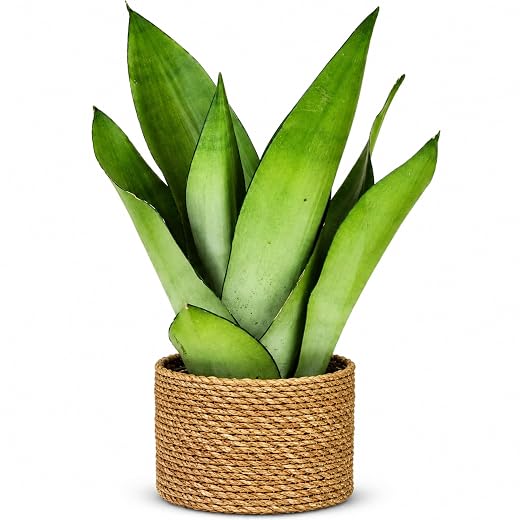
Sansevieria Moonshine Live Plant, 4 Inch Rare Silver Snake Plant
Snake Plant Whitney
Snake Plant Whitney is a compact cultivar with dark-green leaf centers and pale green or creamy margins. Its shorter, broad leaves grow in a neat cluster, making it suitable for desks and shelves.
Whitney is a practical option for small homes where floor space is limited. Like other snake plants, it needs well-draining soil and should not be watered while the soil remains wet.

Snake Plant, Sansevieria Trifasciata, Whitney, Live Indoor Plant, 4 inch Pot
Black Gold Snake Plant
Black Gold has dark-green leaves with bright yellow borders that stand out against its deep foliage. Its strong color contrast makes it an attractive choice for decorative planters.
This variety suits living rooms, entryways, and indoor spaces with indirect light. Avoid overwatering, as constantly wet soil can damage its roots.

Snake Plant Sansevieria Black Gold - 4" from California Tropicals
Bird’s Nest Snake Plant (Hahnii)
Hahnii grows in a low, rounded rosette rather than producing long, upright leaves. Its green foliage usually features lighter horizontal bands, creating a compact, layered appearance.
This dwarf variety works well on desks, windowsills, and small tables. It is especially useful for beginners who want an easy-care plant that does not take up much space.
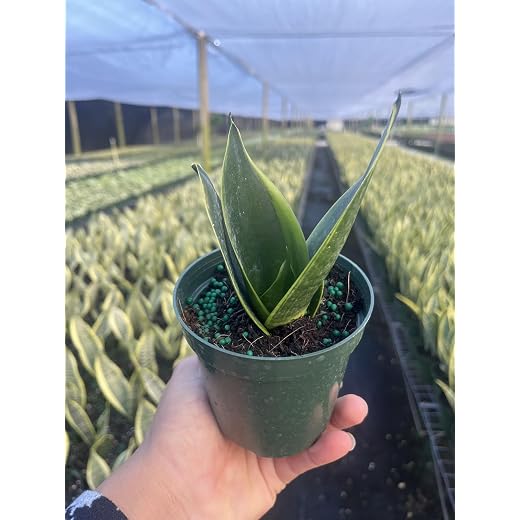
Compact Bird’s Nest Snake Plant | Sansevieria Hahnii | Low-Light Indoor Plant | Air-Purifying Houseplant | Easy Care Plant in 4-Inch Pot
Cylindrica Snake Plant
Cylindrica stands out because its leaves are round, narrow, and spear-shaped instead of flat. The upright foliage gives it a sculptural look that fits contemporary interiors.
It can grow into a striking architectural plant when given suitable light and a stable container. Some nursery plants are braided, but this is a trained form rather than a separate botanical variety.
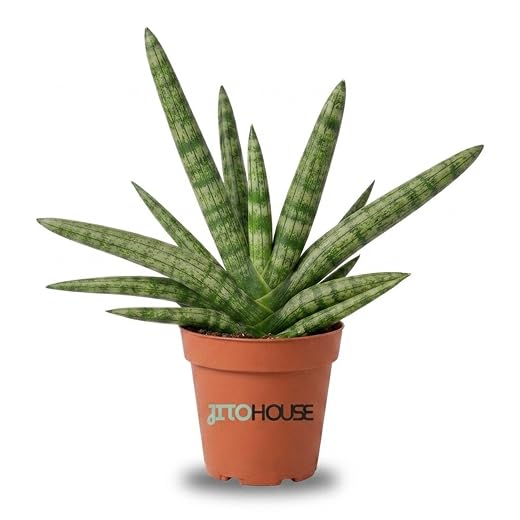
Snake Plant Starfish Sansevieria Cylindrica, Indoor Air Purifying Succulent, Partial Shade, Year Round
Whale Fin Snake Plant (Masoniana)
The Whale Fin snake plant, commonly identified as Dracaena masoniana, has broad, paddle-shaped leaves with mottled green markings. Some specimens produce a single large leaf before developing additional growth.
Its unusual shape makes it a favorite among plant collectors. It generally needs less frequent watering than leafy tropical houseplants, and it should be grown in a pot with drainage holes.

Sansevieria Whale Fin Variegated Live Plant, 4 Inch Rare Snake Plant
Bantel’s Sensation Snake Plant
Bantel’s Sensation is known for narrow green leaves with striking white or pale vertical stripes. These lengthwise markings distinguish it from varieties that have mostly horizontal bands.
Its slim growth makes it suitable for bright corners and plant collections. It is worth considering if you want a snake plant with a lighter, more delicate pattern.

Sansevieria Bentel's Sensation - 4" from California Tropicals
Fernwood Snake Plant
Fernwood has slender, pointed leaves that form a dense cluster of green foliage. Its narrow shape gives the plant a textured appearance compared with broad-leaf varieties.
It works well on shelves, side tables, and in mixed houseplant displays. Water only when the soil has dried thoroughly, especially if the plant receives limited light.

Sansevieria Fernwood – 10 Inches Grower Pot – Live Indoor/Outdoor Snake Plant – Air Purifying, Easy Care Houseplant for Home or Office Décor
Samurai Snake Plant
The Samurai snake plant is known for short, thick leaves arranged in a compact, angular pattern. Its distinctive shape makes it different from the familiar tall, sword-leaf types.
It is a good option for small containers and collector displays. Because plant names can vary between sellers, check photographs and identification labels before purchasing.

BubbleBlooms Samurai Dwarf 4 inch Sansevieria Robusta Blue, Narrow Crinkle Exotic Star Snake Plant
Silver Queen Snake Plant
Silver Queen has silvery-green leaves with soft green markings that create a lighter appearance than many traditional varieties. Its upright growth retains the classic snake plant shape.
This variety works well in neutral interiors and plant groupings with darker foliage. Bright, indirect light is helpful, although growth may slow in dim rooms.

Nearly Natural Silver Queen Artificial Plant in White Tower Planter
Twisted Sister Snake Plant
Twisted Sister features curved, twisting leaves that grow in an unusual, compact arrangement. Its green foliage and yellow-green markings add movement and color to an indoor plant display.
It suits shelves, side tables, and small decorative pots. Rotate the container occasionally if the leaves lean toward a window.

BubbleBlooms Dracaena Tornado 4 inch, Twisted Fragrans Rare Indoor Plant
Futura Robusta Snake Plant
Futura Robusta is a compact cultivar with broad, dark-green leaves and silvery mottling. Its shorter growth makes it useful when you want a traditional striped appearance without a tall plant.
Place it in bright, indirect light when possible and use a free-draining potting mix. Allow the soil to dry before watering to reduce the risk of root rot.

Robusta Black Birdsnest Snake Plant - Sanseveria 4" Pot
Futura Superba Snake Plant
Futura Superba has broad gray-green leaves with yellow margins, creating a colorful but relatively compact plant. Its appearance is similar to some yellow-edged cultivars, though the growth habit can differ.
It is suitable for tabletops, corners, and decorative floor pots. Avoid keeping its roots in wet soil for extended periods.

Futura Superba Snake Plant, Live Plant in 3" Grower Pot, Easy Care, Houseplant, Sansevieria, Mother in Low Tongue
Black Jack Snake Plant
Black Jack is a trade name used for compact snake plants with dark-green foliage and lighter yellow-green margins. Its bold coloring makes it appealing for small indoor plant arrangements.
Because trade names may not be consistent across nurseries, compare the plant’s actual appearance before buying. Its general care requirements are similar to those of other snake plants.

BubbleBlooms Snake Plant Black Robusta in 2 inch Pot, Green Striped Snakeplant, Sansevieria trifasciata
Black Robusta Snake Plant
Black Robusta is associated with dark-green leaves marked with silvery-green patterns. The deeper foliage gives it a strong appearance that contrasts well with pale walls and light-colored pots.
This type is suitable for collectors who prefer darker foliage without prominent golden edges. Keep it in well-draining soil and protect it from prolonged cold.

Snake Plant Black Robusta in 4in Pot - Live Tropical Houseplant - Easy to Grow | Air Purifying | Variegated | USA Growers | The Snobby Leaf
Golden Flame Snake Plant
Golden Flame is known for green foliage with yellow and golden tones. The appearance of its leaves can change as they mature, giving the plant a varied look.
It is a colorful option for indoor displays with bright, indirect light. Avoid excess watering, and do not assume that every plant sold under this name is an identical cultivar.

4" Live Succulent Golden Snake Plants, Easy Care Houseplant for Beginners
Metallica Snake Plant
Metallica is a name associated with snake plants that have green leaves and grayish or metallic-looking markings. Its unusual coloring can add variety to a collection of common green cultivars.
Check the botanical identification before purchasing because some trade names are used inconsistently. General snake plant care, including careful watering and suitable drainage, is a good starting point.

Peperomia 'Metallica' | Live Plant for Indoor & Outdoor | for Living Room, Office, Bathroom | (4" Pot)
Silver Blue Snake Plant
Silver Blue is a trade name sometimes used for snake plants with cool-toned, blue-gray or silver-green foliage. The exact appearance can differ depending on the plant sold under this label.
It can complement neutral interiors and modern decorative pots. Ask the nursery for the botanical name so you know exactly which plant you are buying.

Cebu Blue Pothos 4” – Live Indoor Plant | Rare Silver-Blue Trailing Vine | Easy Care, Fast Growing, Low Light Houseplant – ISHY PLANT
Golden Hahnii Snake Plant
Golden Hahnii combines compact, nest-shaped growth with green leaves and yellow or golden margins. Its small size and bright coloring make it suitable for desks and windowsills.
It needs the same basic care as other dwarf snake plants. Choose a container with drainage and avoid watering while the soil is still damp.

Sprout N Green Live Snake Plant Sansevieria 'Golden Hahnii'
Green Hahnii Snake Plant
Green Hahnii has short, rounded leaves with green horizontal bands. Unlike Golden Hahnii, it generally has less noticeable yellow edging.
Its compact shape makes it ideal for small rooms, grouped planters, and indoor shelves. It is a practical choice for beginners who want a dwarf snake plant with a traditional green appearance.

Sprout N Green Live Snake Plant with Green Petal Pot
Sansevieria patens
Sansevieria patens, now generally classified as Dracaena patens, is a distinctive species with thick leaves that spread outward in a fan-like arrangement. Its growth pattern differs from the tall, upright form of many common cultivars.
It is an interesting choice for collectors seeking unusual foliage. Use a well-draining growing medium and avoid keeping the roots constantly moist.

Sansevieria Paten Succulent | Exotic Snake Cactus Plant
Sansevieria bacularis
Sansevieria bacularis, generally classified as Dracaena bacularis, has slender, cylindrical leaves that grow upward like narrow spears. Its shape makes it a useful alternative to more familiar flat-leaf snake plants.
This species suits sculptural plant displays and botanical collections. Check its identification with a reputable nursery because common names and trade labels can vary.

PLANTVERS Sansevieria Zeylanica Snake Plant in a 3 Inch Nursery Pot - Live Green Snake Plant - Mother-in-Law Tongue - Low Light Houseplant - Air Purifier...
Snake Plant Varieties Pictures and Identification Tips
Comparing leaf shape, color, and growth pattern is one of the easiest ways to identify a snake plant. Use these features to distinguish common cultivars before buying a plant.
- Yellow leaf edges: Look for Laurentii, Black Gold, or similar golden-edged cultivars.
- Silver-green foliage: Moonshine and Silver Queen are useful varieties to compare.
- Short, rounded growth: Hahnii and Golden Hahnii form compact rosettes.
- Broad leaves: Whale Fin is recognizable by its large, paddle-shaped foliage.
- Cylindrical leaves: Cylindrica and Dracaena bacularis have round, spear-like leaves.
Plant labels are not always reliable, especially for uncommon trade names. Compare several identifying features rather than relying on leaf color alone.
Snake Plant Varieties Chart: Size, Color, and Shape
This comparison chart helps you narrow down the options by their most noticeable features. Mature size varies with growing conditions, so treat growth descriptions as general guidance rather than fixed measurements.
| Variety | Main color | Growth style |
|---|---|---|
| Laurentii | Green and yellow | Tall and upright |
| Moonshine | Silver-green | Upright |
| Whitney | Dark green and cream | Compact |
| Black Gold | Dark green and gold | Upright |
| Hahnii | Banded green | Dwarf rosette |
| Cylindrica | Green | Cylindrical |
| Whale Fin | Mottled green | Broad leaves |
| Bantel’s Sensation | Green and white | Narrow and upright |
| Fernwood | Green | Slender and clustered |
| Twisted Sister | Green and yellow | Curved and compact |
Best Snake Plant Varieties for Different Spaces
The best snake plant variety depends on the room, available light, and amount of space you have. A compact plant suits a desk, while a taller cultivar creates a stronger focal point in a living room.
- For beginners: Laurentii or Hahnii.
- For small apartments: Whitney or Green Hahnii.
- For modern interiors: Moonshine or Cylindrica.
- For colorful foliage: Black Gold or Golden Hahnii.
- For collectors: Whale Fin or Bantel’s Sensation.
- For unusual leaf shapes: Twisted Sister or Dracaena patens.
Choose a healthy, correctly identified plant rather than paying extra for a rare name. A common variety grown in suitable conditions can look just as attractive as a costly collector plant.
Rare Snake Plant Varieties to Look For
Rare snake plant varieties appeal to collectors because of their unusual leaf shapes, patterns, or limited local availability. However, rarity depends on the market, and a high price does not guarantee that a plant is uncommon.
Whale Fin, Bantel’s Sensation, and less commonly stocked species such as Dracaena patens are worth exploring. Before buying, ask for photographs of the actual plant, confirm its name, and inspect the leaves for damage.
How to Care for Snake Plant Varieties
Most snake plants need similar growing conditions, even when their leaf shapes and colors differ. Good drainage, careful watering, and suitable light are more important than buying special fertilizers or expensive accessories.
Light and Temperature
Bright, indirect light is generally best, although many snake plants tolerate lower-light rooms. Protect them from frost and prolonged cold, and introduce them gradually to strong direct sunlight.
Watering and Soil
Allow the soil to dry thoroughly before watering again. Use a cactus or succulent potting mix and a container with drainage holes to help prevent root rot.
Repotting and Propagation
Repot when roots become crowded or the container becomes unstable. You can propagate many snake plants by dividing rooted offshoots; division is especially useful when you want to preserve the appearance of a variegated cultivar.
For additional growing advice, read the related snake plant care guide from North Carolina State University Extension. It covers growing conditions, propagation, and common plant concerns.
Common Snake Plant Problems and Solutions
Yellow leaves, soft stems, and poor growth can indicate watering or light problems. Check the soil and roots before changing your care routine.
| Problem | Possible cause | Recommended action |
|---|---|---|
| Yellow, soft leaves | Excess water or root damage | Check drainage and inspect roots |
| Wrinkled leaves | Prolonged dryness or root problems | Check soil moisture and root health |
| Brown, crispy edges | Sun damage or inconsistent watering | Review light and watering |
| Slow growth | Low light or normal seasonal changes | Check conditions before fertilizing |
| Mushy leaf bases | Rot caused by excess moisture | Remove damaged growth and correct drainage |
Snake plants are toxic to cats and dogs if eaten. Keep them away from pets that chew leaves, and contact a veterinarian if a pet eats the plant and develops symptoms.
Choose the Best Snake Plant Variety for Your Home Today
The right snake plant combines attractive foliage with care requirements that fit your home. Start with a popular variety, learn its watering needs, and explore unusual cultivars as your collection grows.
Laurentii is ideal for a classic look, Moonshine offers silver-green leaves, and Whitney suits smaller spaces. Whatever variety you choose, healthy roots, suitable light, and well-draining soil will help it thrive.
Frequently Asked Questions About Snake Plant Varieties
These answers address common questions about snake plant identification, selection, and care. Use them to make a confident choice before purchasing your next indoor plant.
What are the most popular snake plant varieties?
Laurentii, Moonshine, Whitney, Black Gold, Hahnii, and Cylindrica are popular choices. They offer different leaf colors and shapes for indoor spaces.
Is Moonshine a rare snake plant?
Moonshine is a distinctive cultivar, but it is not necessarily rare everywhere. Availability depends on local nurseries, propagation, and demand.
Can snake plants grow in low light?
Yes. Many snake plants tolerate low-light rooms, but growth is usually slower. Bright, indirect light generally supports healthier growth.
Should I propagate Whitney from a leaf cutting?
Division is the better choice if you want to preserve Whitney’s characteristic leaf margins. Leaf cuttings may produce plants with different coloring.
Why is my snake plant turning yellow?
Yellow leaves can result from overwatering, poor drainage, or root damage. Check soil moisture and root health before watering again.
Does every snake plant variety need the same care?
Most varieties need well-draining soil, careful watering, and suitable light. Growth rate, mature size, and light preferences can vary by cultivar and species.


