
Indoor shade plants make it possible to enjoy beautiful greenery even when your home does not receive much sunlight. From dark living room corners to shaded bedrooms and office spaces, the right plants can thrive with limited natural light.
The trick is choosing plants that genuinely tolerate shade. Some popular houseplants survive in dim rooms but grow slowly, while others need moderate or bright indirect light to stay healthy.
In this article, you will discover 25 indoor shade plants, including tall floor plants, small desk-friendly varieties, and low-maintenance options. You will also learn which plants work in windowless rooms, which tolerate dry air, and how to care for them properly.
Disclosure: This post contains affiliate links. If you purchase through these links, I may earn a small commission at no extra cost to you.
Table of Contents
What Are Indoor Shade Plants?
Indoor shade plants are houseplants that can tolerate lower light levels than typical sun-loving plants. Many naturally grow beneath forest canopies, where larger trees filter direct sunlight.
These plants are useful for apartments, offices, bedrooms, hallways, and living rooms with limited daylight. Most prefer indirect sunlight rather than complete darkness.
A shade-tolerant plant still needs light for photosynthesis. If a room has no windows, artificial grow lighting is necessary for long-term growth.
Key Takeaways
- Best overall: ZZ plant, snake plant, and cast iron plant.
- Best for very low light: ZZ plant and cast iron plant.
- Best tall indoor plants: Dracaena and parlor palm.
- Best small plants: Heartleaf philodendron and compact ZZ plant.
- Best trailing plants: Pothos and heartleaf philodendron.
- Best flowering option: Peace lily.
- Best for dry indoor air: Snake plant and ZZ plant.
- Best beginner plants: Snake plant, pothos, and ZZ plant.
- Best for windowless rooms: Low-light-tolerant plants supported by LED grow lights.
Best Indoor Shade Plants for Homes and Apartments
The best indoor shade plants combine attractive foliage, manageable care requirements, and the ability to tolerate indirect or limited sunlight. These varieties offer options for different room sizes and growing conditions.
Snake Plant (Dracaena trifasciata)
The snake plant is one of the most reliable choices for low-light homes. Its tall, upright leaves have green patterns and sometimes yellow edges, making it an attractive addition to modern interiors.
It tolerates low light and dry indoor conditions, although brighter indirect light encourages stronger growth.
- Light: Low to bright indirect light.
- Water: Allow the soil to dry completely.
- Height: Approximately 1 to 4 feet indoors.
- Humidity: Average household humidity.
- Care level: Very easy.
- Pet safety: Toxic to cats and dogs if eaten.
Best for: Bedrooms, offices, living rooms, and empty corners.

BubbleBlooms Variegated Snake Plant in a 4 inch Pot Classic Dracaena trifasciata Cow's Tongue, Lengua de Vaca
ZZ Plant (Zamioculcas zamiifolia)
The ZZ plant is an excellent choice for people who want an attractive houseplant without a demanding care routine. Its thick stems and glossy leaves give it a neat appearance.
Its underground rhizomes store water, helping it survive periods without watering. It tolerates low light but grows faster with brighter indirect light.
- Light: Low to bright indirect light.
- Water: Allow the potting mix to dry between watering.
- Height: Approximately 2 to 3 feet.
- Humidity: Average indoor humidity.
- Care level: Very easy.
- Pet safety: Toxic if eaten.
Best for: Offices, shaded living rooms, and beginner plant owners.

ZZ Plant Live Indoor Houseplant 4 Inch Pot Easy Care Zamioculcas Zamiifolia
Pothos (Epipremnum aureum)
Pothos is a popular trailing houseplant with attractive heart-shaped leaves. It works beautifully in hanging baskets, on shelves, and along bookcases.
It tolerates lower light, although some variegated varieties may lose their distinctive patterns in darker spaces.
- Light: Low to bright indirect light.
- Water: When the upper soil begins to dry.
- Growth: Long trailing vines.
- Humidity: Average household humidity.
- Care level: Easy.
- Pet safety: Toxic if chewed or swallowed.
Best for: Hanging displays, shelves, and small apartments.

Live Golden Pothos, Indoor Vining Plant, Easy to Grow, 4" Pot
Cast Iron Plant (Aspidistra elatior)
The cast iron plant is named for its ability to tolerate challenging growing conditions. It handles shade, average indoor humidity, and occasional missed watering.
Its broad, dark green leaves create a simple, elegant appearance that works well in traditional and modern homes.
- Light: Low to moderate indirect light.
- Water: Allow the upper soil to dry slightly.
- Height: Approximately 1 to 3 feet.
- Humidity: Average household humidity.
- Care level: Very easy.
- Pet safety: Generally considered non-toxic to cats and dogs.
Best for: Shaded corners, hallways, and low-light living rooms.

Aspidistra Elatior Cast Iron Plant, Live Indoor Evergreen Houseplant, Large Dark Green Foliage, Low Light Tolerant, Potted Garden Plant (1 Gallon/Potted/Set...
Chinese Evergreen (Aglaonema species)
Chinese evergreen is known for its decorative foliage. Depending on the variety, its leaves may feature green, silver, pink, or red patterns.
Green varieties generally tolerate lower light better than heavily pink or red varieties.
- Light: Low to moderate indirect light.
- Water: Allow the upper soil to dry slightly.
- Height: Approximately 1 to 3 feet.
- Humidity: Average to moderately humid conditions.
- Care level: Easy.
- Pet safety: Toxic if eaten.
Best for: Bedrooms, living rooms, and decorative indoor displays.

Live Aglaonema Chinese Evergreen Collection (4 Pack) Houseplants
Peace Lily (Spathiphyllum species)
Peace lilies are popular for their deep green leaves and elegant white flower-like structures called spathes.
They can survive in lower light, but brighter indirect light usually produces more flowers. They also communicate water stress through drooping leaves.
- Light: Low to moderate indirect light.
- Water: Water when the upper soil begins to dry.
- Height: Approximately 1 to 4 feet.
- Humidity: Moderate humidity preferred.
- Care level: Moderate.
- Pet safety: Toxic to cats and dogs.
Best for: Living rooms and bathrooms with daylight.

Nearly Natural 26” Spathiphyllum Artificial (Real Touch) Silk Plants Green
Parlor Palm (Chamaedorea elegans)
Parlor palm is a compact tropical plant with soft, feather-like leaves. Unlike many larger palms, it can adapt to lower indoor light.
Its graceful foliage makes it a good choice for living rooms, bedrooms, and offices.
- Light: Low to moderate indirect light.
- Water: Keep soil lightly moist, allowing excess water to drain.
- Height: Approximately 2 to 6 feet.
- Humidity: Average indoor humidity.
- Care level: Easy.
- Pet safety: Generally considered non-toxic.
Best for: Tropical-style interiors and shaded living spaces.

Bella Palm Chamaedorea Elegans Live Indoor Potted Houseplant 5-Pack
Heartleaf Philodendron (Philodendron hederaceum)
Heartleaf philodendron has attractive heart-shaped leaves and long trailing stems. It is easy to maintain and can grow along shelves or from hanging containers.
It tolerates lower light, although consistent indirect light supports healthier foliage.
- Light: Low to bright indirect light.
- Water: When the upper soil dries.
- Growth: Trailing vines.
- Humidity: Average indoor humidity.
- Care level: Easy.
- Pet safety: Toxic if eaten.
Best for: Small apartments, shelves, and hanging planters.

Shop Succulents Brasil Philodenron Heartleaf Hanging Plant, Live Indoor Plant, Easy Care Hanging Ivy Houseplant in Nursery Pot, Air Purifying Plant in Soil,...
Dracaena (Dracaena fragrans)
Dracaena, especially the corn plant, is a good choice for people looking for tall indoor shade plants. Its woody stems and long leaves create height without taking up too much floor space.
It tolerates moderate indoor light but performs better when it receives sufficient indirect daylight.
- Light: Moderate to bright indirect light; some shade tolerance.
- Water: Allow the upper soil to dry.
- Height: Approximately 3 to 6 feet indoors.
- Humidity: Average indoor humidity.
- Care level: Easy.
- Pet safety: Toxic to cats and dogs.
Best for: Living rooms, offices, and spacious corners.

Dracaena Fertilizer – Liquid Plant Food for Rich Green Leaves & Strong Cane Growth, 8 oz
Spider Plant (Chlorophytum comosum)
Spider plants have arching green and white leaves and produce small baby plants called plantlets. These plantlets can be separated and grown in new containers.
They prefer moderate indirect light but tolerate some shade.
- Light: Moderate indirect light.
- Water: When the upper soil dries.
- Height: Approximately 1 to 2 feet.
- Humidity: Average indoor humidity.
- Care level: Easy.
- Pet safety: Generally considered non-toxic.
Best for: Desks, shelves, and hanging baskets.

Spider Plant Chlorophytum comosum, Established Live Houseplant - 4 x 2 inch Cups
Rubber Plant (Ficus elastica)
Rubber plants have thick, glossy leaves that create a bold indoor display. They can tolerate some shade, but they are not ideal for very dark rooms.
Brighter indirect light encourages stronger growth and helps maintain healthy foliage.
- Light: Bright indirect light preferred.
- Water: When the upper soil dries.
- Height: Several feet indoors.
- Humidity: Average to moderate humidity.
- Care level: Moderate.
- Pet safety: Can irritate pets if chewed.
Best for: Bright living rooms and indoor spaces with filtered daylight.
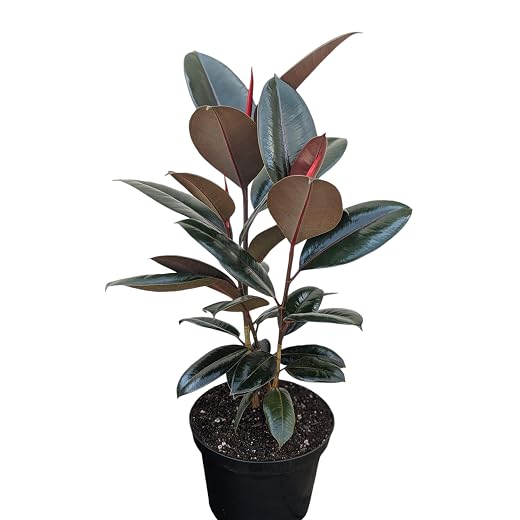
Burgundy Rubber Plant, 8 inch Pot, Live Indoor Ficus Elastica Tree, 2-3 Feet Tall
Monstera Deliciosa
Monstera is famous for its large, naturally split leaves. It is a popular decorative houseplant that adds a tropical appearance to indoor spaces.
Although it can tolerate some shade, it needs moderate to bright indirect light for strong growth and well-developed leaves.
- Light: Moderate to bright indirect light.
- Water: Allow the upper soil to dry.
- Height: Several feet with suitable support.
- Humidity: Moderate humidity.
- Care level: Moderate.
- Pet safety: Toxic if eaten.
Best for: Spacious living rooms with indirect daylight.

2-Pack Monstera Deliciosa Live in 10 inch Plants Pots, Indoor Swiss Cheese Plants Air Purifying Tropical Floor Plants for Home and Office Decor by United...
Bird’s Nest Fern (Asplenium nidus)
Bird’s nest fern has broad, wavy leaves that grow from a central rosette. It naturally prefers sheltered environments with filtered light and higher humidity.
It can work well in a bathroom with a window, provided there is good airflow.
- Light: Low to moderate indirect light.
- Water: Keep soil consistently lightly moist.
- Height: Approximately 1 to 2 feet.
- Humidity: Moderate to high.
- Care level: Moderate.
- Pet safety: Generally considered non-toxic.
Best for: Humid bathrooms and shaded rooms.

Victoria Japanese Birdsnest Fern - Live Plant in a 6 Inch Pot - Asplenium Nidus Antiquum 'Victoria' - Rare and Exotic Ferns from Florida
Prayer Plant (Maranta leuconeura)
Prayer plants are known for their colorful leaf patterns. Their leaves fold upward at night, creating an interesting daily movement.
They prefer indirect light, consistent moisture, and higher humidity.
- Light: Low to moderate indirect light.
- Water: Keep soil slightly moist.
- Height: Approximately 1 foot.
- Humidity: Moderate to high.
- Care level: Moderate.
- Pet safety: Generally considered non-toxic.
Best for: Bedrooms, shelves, and humid indoor spaces.

Green Maranta leuconeura ‘Kerchoveana’ - 4'' from California Tropicals
Chinese Money Plant (Pilea peperomioides)
The Chinese money plant has round, coin-shaped leaves and a compact appearance. It is popular for desks, side tables, and windowside shelves.
However, it needs moderate indirect light and should not be treated as a deep-shade plant.
- Light: Moderate to bright indirect light.
- Water: Allow the upper soil to dry.
- Height: Approximately 8 to 12 inches.
- Humidity: Average household humidity.
- Care level: Easy to moderate.
- Pet safety: Generally considered non-toxic.
Best for: Bright desks and compact indoor spaces.

Money Plant, Pilea Peperomioides Plant Live, 4 Inc Pot, 4 - 6 Inc Tall
Lucky Bamboo (Dracaena sanderiana)
Lucky bamboo is a decorative plant often grown in water-filled containers. Despite its name, it is not a true bamboo.
It tolerates lower light and makes an attractive addition to office desks and shelves.
- Light: Low to bright indirect light.
- Water: Maintain clean water around the roots if grown hydroponically.
- Height: Depends on the stalks and growing conditions.
- Humidity: Average household humidity.
- Care level: Easy.
- Pet safety: Toxic to cats and dogs.
Best for: Offices, shelves, and small decorative arrangements.

Lucky Bamboo PlantSize: 5 Stems, Shape: Straight
English Ivy (Hedera helix)
English ivy is a trailing plant with attractive lobed leaves. It can tolerate some shade and looks beautiful in hanging baskets.
It prefers cooler conditions and good airflow. Indoor plants should also be monitored for spider mites.
- Light: Moderate indirect light preferred.
- Water: Keep soil lightly moist.
- Growth: Long trailing vines.
- Humidity: Average indoor humidity.
- Care level: Moderate.
- Pet safety: Toxic if eaten.
Best for: Hanging displays and cooler indoor spaces.

American Plant Exchange English Ivy Bundle, 2 Pack 4-Inch Pots, Green and Variegated, Vining Houseplants, Live Indoor Plants, Fast Growing, Easy to Care,...
Bamboo Palm (Chamaedorea seifrizii)
Bamboo palm has multiple slender stems and soft green foliage. It can tolerate moderate shade and adds a tropical appearance to larger rooms.
It needs enough indirect light to maintain healthy growth.
- Light: Low to moderate indirect light.
- Water: Allow the upper soil to begin drying.
- Height: Several feet indoors.
- Humidity: Average to moderate humidity.
- Care level: Moderate.
- Pet safety: Generally considered non-toxic.
Best for: Larger living rooms and offices.

Bamboo Palm Seeds for Indoor Growing, Pack of 15
Boston Fern (Nephrolepis exaltata)
Boston fern produces soft, cascading green fronds. It is suitable for sheltered indoor areas but needs more moisture and humidity than many low-maintenance houseplants.
Dry air can cause its leaf edges to turn brown.
- Light: Moderate indirect light.
- Water: Keep soil lightly moist.
- Height: Approximately 1 to 3 feet.
- Humidity: Moderate to high.
- Care level: Moderate to high.
- Pet safety: Generally considered non-toxic.
Best for: Humid bathrooms and bright shaded spaces.

BubbleBlooms Boston Fern, in a 6 inch Pot, Nephrolepis exaltata,
Aloe Vera
Aloe vera is a popular succulent with thick, fleshy leaves. It is easy to maintain but needs considerably more light than true shade-loving plants.
Keep it near a bright window rather than placing it in a dark corner.
- Light: Bright indirect light to some direct sunlight.
- Water: Allow the soil to dry completely.
- Height: Approximately 1 to 2 feet.
- Humidity: Average to dry indoor conditions.
- Care level: Easy.
- Pet safety: Toxic if eaten.
Best for: Bright windowsills and sunny indoor spaces.

Aloe Vera Live Plant, Aloe Houseplant in 4" Pot, Green Succulent Houseplant
Arrowhead Plant (Syngonium podophyllum)
Arrowhead plants have distinctive arrow-shaped leaves and can grow as compact bushes or trailing vines.
Green varieties generally tolerate lower light better than highly variegated varieties.
- Light: Low to moderate indirect light.
- Water: When the upper soil dries.
- Height: Approximately 1 to 3 feet, depending on support.
- Humidity: Average to moderate humidity.
- Care level: Easy to moderate.
- Pet safety: Toxic if eaten.
Best for: Shelves, hanging pots, and living rooms.

Live Syngonium Arrowhead Collection (4 Pack) Rare Vine
Rattlesnake Plant (Goeppertia insignis)
Rattlesnake plant features long leaves with dark green markings and purple undersides. It prefers indirect light and consistent moisture.
It is attractive but needs more attention than hardy plants such as ZZ plants and snake plants.
- Light: Low to moderate indirect light.
- Water: Keep soil lightly moist.
- Height: Approximately 1 to 2 feet.
- Humidity: Moderate to high.
- Care level: Moderate to high.
- Pet safety: Generally considered non-toxic.
Best for: Humid rooms and decorative indoor displays.

Rattlesnake Calathea Live Plant - Air Purifier, Colorful House Plant, Ideal for Home Decor and Room Decor - Rattlesnake for Indoor Plants, Calathea...
Ponytail Palm (Beaucarnea recurvata)
Ponytail palm has a distinctive swollen trunk and long, thin leaves. Its thick base stores water, helping it tolerate dry conditions.
However, it needs bright light and is not suitable for deeply shaded rooms.
- Light: Bright indirect light.
- Water: Allow soil to dry completely.
- Height: Several feet indoors.
- Humidity: Average to dry conditions.
- Care level: Easy.
- Pet safety: Generally considered non-toxic.
Best for: Bright living rooms and sunny indoor corners.

Ponytail Palm Live Plant, Beaucarnea Recurvata Houseplant, 2in Pot, 2-Pack
Dieffenbachia (Dieffenbachia seguine)
Dieffenbachia has large leaves with attractive cream, yellow, and green patterns. It can grow in moderate indirect light but may struggle in very dark spaces.
Its sap contains irritating calcium oxalate crystals, so keep it away from children and pets.
- Light: Moderate indirect light.
- Water: When the upper soil dries.
- Height: Approximately 2 to 5 feet.
- Humidity: Moderate humidity.
- Care level: Moderate.
- Pet safety: Toxic.
Best for: Living rooms with filtered daylight.

Nearly Natural 24 in Artificial Golden Dieffenbachia Plant with Pot
Calathea (Goeppertia species)
Calatheas are admired for their patterned leaves, which often feature stripes, spots, and contrasting undersides.
They prefer indirect light, consistent moisture, and higher humidity. Their care requirements make them less suitable for people who want completely low-maintenance plants.
- Light: Low to moderate indirect light.
- Water: Keep soil slightly moist, not soggy.
- Height: Approximately 1 to 3 feet, depending on species.
- Humidity: Moderate to high.
- Care level: Moderate to high.
- Pet safety: Generally considered non-toxic.
Best for: Humid bedrooms and decorative indoor spaces.

Triostar Calathea Live Plant - Air Purifier, Colorful House Plant, Ideal for Home Decor and Room Decor - Triostar for Indoor Plants, Prayer Plant
Tall Indoor Shade Plants for Large Rooms
Tall indoor shade plants help fill empty corners and create a natural focal point in living rooms, bedrooms, and offices. Choose varieties according to their actual light requirements and mature size.
| Plant | Approximate height | Light tolerance | Best feature |
|---|---|---|---|
| Dracaena | 3–6 feet | Moderate | Tall, narrow growth |
| Parlor palm | 2–6 feet | Low to moderate | Soft tropical foliage |
| Bamboo palm | 3–7 feet | Low to moderate | Multiple slender stems |
| Snake plant | 1–4 feet | Low to bright indirect | Upright leaves |
| ZZ plant | 2–3 feet | Low to bright indirect | Glossy foliage |
| Cast iron plant | 1–3 feet | Low | Excellent shade tolerance |
Best choices: Snake plants, ZZ plants, and cast iron plants are suitable for darker corners. Dracaena and palms are better when the room receives moderate indirect daylight.
Large Low Light Indoor Plants for Living Rooms
Large low light indoor plants can make a living room feel more natural without requiring several small pots. They are especially useful for decorating empty corners and spaces beside furniture.
Consider these options:
- Parlor palm: Adds soft, tropical foliage.
- Bamboo palm: Creates a fuller green appearance.
- Dracaena: Provides height without occupying much floor space.
- Monstera deliciosa: Offers large decorative leaves but needs moderate indirect light.
- Rubber plant: Features glossy foliage and prefers brighter conditions.
Measure the available space before buying a large plant. Consider its mature width, height, and light requirements rather than choosing only by appearance.
Small Low Light Indoor Plants for Desks and Shelves
Small low light indoor plants are ideal for apartments, office desks, bedside tables, and narrow shelves. They add greenery without taking up valuable floor space.
Some good options include:
| Plant | Approximate size | Best feature |
|---|---|---|
| Heartleaf philodendron | Compact, trailing | Heart-shaped leaves |
| Small ZZ plant | 1–2 feet | Easy maintenance |
| Chinese evergreen | 1–3 feet | Decorative foliage |
| Parlor palm | 2–6 feet | Fine tropical leaves |
| Peperomia obtusifolia | 6–12 inches | Thick, rounded leaves |
| Spider plant | 1–2 feet | Arching foliage |
Choose slower-growing varieties if you want to reduce pruning and repotting. Remember that even small plants need enough light to maintain healthy growth.
Indoor Shade Plants No Light: What Really Works?
Indoor shade plants no light is a popular search because many people want greenery in windowless rooms. However, no living plant can survive indefinitely without a source of light.
ZZ plants, snake plants, and cast iron plants tolerate very low light, but they still need energy from light to grow.
If your room has no windows, follow these practices:
- Choose a low-light-tolerant plant.
- Install an LED grow light.
- Provide an appropriate daily lighting period.
- Allow a regular dark period.
- Monitor leaf color and new growth.
- Reduce watering if the soil remains wet for too long.
A suitable grow light is more reliable than an ordinary decorative ceiling bulb. Follow the manufacturer’s recommendations for distance and lighting intensity.
Best Indoor Plants for Low Light and Clean Air
Snake plants, peace lilies, pothos, and Chinese evergreens are popular choices for people who want attractive greenery indoors. However, their air-cleaning benefits should not be exaggerated.
Laboratory research shows that plants can absorb certain airborne chemicals, but ordinary numbers of houseplants do not significantly improve indoor air quality in typical homes.
For better indoor air quality, prioritize ventilation, control pollution sources, and use suitable air filtration. Houseplants are best treated as decorative additions rather than replacements for these measures.
Best Indoor Plants for Low Light and Low Humidity
Some homes have limited daylight and dry indoor air, particularly when air conditioning runs frequently. Choose plants that tolerate both conditions instead of varieties that need consistently humid environments.
Good options include:
- ZZ plant: Stores water in underground rhizomes and tolerates dry periods.
- Snake plant: Handles average indoor humidity and infrequent watering.
- Cast iron plant: Adapts to ordinary household conditions.
- Chinese evergreen: Generally tolerates typical indoor environments.
- Ponytail palm: Handles dry air but requires brighter light.
Avoid Boston ferns and many calatheas if you cannot provide enough humidity. Their leaves may develop brown, crispy edges in dry conditions.
How to Care for Indoor Shade Plants
Indoor shade plants need suitable watering, drainage, light, and occasional feeding to remain healthy. Their slower growth in darker locations often means they require less water and fertilizer.
Water According to Soil Moisture
Overwatering is one of the most common causes of indoor plant problems. Lower light can slow growth and reduce how quickly a plant uses water.
Use these basic practices:
- Check the soil before watering.
- Allow the appropriate amount of soil to dry for each plant.
- Use pots with drainage holes.
- Empty excess water from the saucer.
- Reduce watering when growth slows.
Do not follow a fixed watering schedule without checking the soil first.
Choose the Right Potting Mix
A suitable potting mix allows roots to receive both moisture and air. Different plants need different levels of drainage.
| Plant | Suitable growing medium |
|---|---|
| Snake plant | Well-draining succulent mix |
| ZZ plant | Loose, well-draining houseplant mix |
| Pothos | Airy indoor potting mix |
| Peace lily | Moisture-retentive but well-draining mix |
| Ferns | Moisture-retentive, airy mix |
| Calatheas | Moisture-retentive, well-draining mix |
Always use a container with drainage holes to reduce the risk of root rot.
Maintain Suitable Humidity
Different plants have different humidity requirements. Snake plants and ZZ plants tolerate average household humidity, while ferns and calatheas generally prefer more moisture in the air.
If your room is particularly dry, a humidifier can help plants that need higher humidity. Avoid placing humidity-sensitive plants directly beside heaters or air-conditioning outlets.
Clean Leaves and Remove Damaged Growth
Dust collects on indoor leaves, especially in rooms that remain closed for long periods. Wipe broad leaves gently with a damp, soft cloth.
Remove dead or damaged leaves with clean pruning scissors. This keeps the plant tidy and makes it easier to inspect for pests.
Fertilize During Active Growth
Most indoor foliage plants benefit from occasional feeding during active growth. Use a balanced houseplant fertilizer according to its label.
Plants growing in low light generally need less fertilizer because they produce new growth more slowly. Excess fertilizer can damage roots and cause leaf problems.
Common Problems With Indoor Shade Plants
Even easy-care plants can develop problems when their growing conditions are unsuitable. Identifying the cause early helps prevent further damage.
| Problem | Possible cause | Recommended solution |
|---|---|---|
| Yellow leaves | Overwatering or poor drainage | Check soil and roots |
| Brown leaf tips | Dry air or inconsistent watering | Adjust humidity and watering |
| Weak, stretched stems | Insufficient light | Improve light exposure |
| Slow growth | Low light or seasonal dormancy | Review lighting and feeding |
| Root rot | Waterlogged soil | Remove damaged roots and improve drainage |
| Pale leaves | Light stress or nutrient problems | Review growing conditions |
| Drooping leaves | Water stress | Check soil moisture |
Why Are Indoor Shade Plants Turning Yellow?
Yellow leaves can indicate overwatering, poor drainage, or natural aging. Check the soil before adding more water.
If the soil remains wet for several days, inspect the drainage and root condition.
Why Are Indoor Shade Plants Growing Slowly?
Low light reduces the energy available for plant growth. A shade-tolerant plant may survive in a dark corner but produce fewer leaves and grow more slowly.
Move it closer to a window if possible, or provide suitable artificial lighting.
Why Are the Leaf Tips Turning Brown?
Brown tips can result from dry air, inconsistent watering, salt buildup, or sensitivity to tap water. Check the plant’s specific humidity and watering needs before changing its care routine.
Pet-Safe Indoor Shade Plants and Toxic Varieties
Some attractive indoor shade plants can be harmful to cats and dogs. Checking plant safety before purchasing is especially important when pets can reach leaves or stems.
| Plant | General pet-safety information |
|---|---|
| Parlor palm | Generally non-toxic |
| Spider plant | Generally non-toxic |
| Cast iron plant | Generally non-toxic |
| Boston fern | Generally non-toxic |
| Prayer plant | Generally non-toxic |
| Snake plant | Toxic if eaten |
| ZZ plant | Toxic if eaten |
| Pothos | Toxic if eaten |
| Peace lily | Causes irritation if chewed |
| Dieffenbachia | Toxic and irritating |
Keep potentially toxic plants away from pets and young children. If an animal eats a potentially poisonous plant, contact a veterinarian.
Expert Tips for Growing Healthy Indoor Shade Plants
Successful indoor gardening depends on matching each plant to its environment. A few simple habits can make a noticeable difference in plant health.
- Check the light first: Observe the room throughout the day before choosing a plant.
- Start with hardy varieties: ZZ plants, snake plants, and cast iron plants are good beginner choices.
- Avoid overwatering: Darker rooms often mean slower water use.
- Rotate plants occasionally: This can encourage balanced growth when light comes from one direction.
- Clean the leaves: Remove dust gently using a damp cloth.
- Inspect for pests: Check leaf undersides and new growth regularly.
- Use grow lights when needed: Especially in rooms without windows.
- Choose suitable pots: Oversized containers can retain excess moisture.
- Avoid sudden changes: Acclimatize plants when moving them to a different environment.
- Check pet safety: Research each plant species before bringing it home.
Choosing the Best Indoor Shade Plants for a Greener Home
Indoor shade plants make it easier to decorate homes and offices with greenery, even when natural sunlight is limited. The best results come from matching each plant to the available light, space, and humidity.
Start with easy-care varieties such as snake plants, ZZ plants, pothos, and cast iron plants. Provide suitable lighting, avoid overwatering, and choose plants according to their growing requirements.
Frequently Asked Questions About Indoor Shade Plants
What are the easiest indoor shade plants to grow?
ZZ plants, snake plants, pothos, and cast iron plants are excellent beginner choices. They tolerate lower light and generally require less frequent watering than many other houseplants.
Can indoor shade plants grow without sunlight?
Yes, plants can grow under suitable artificial lighting instead of sunlight. However, no living houseplant can survive indefinitely in complete darkness.
Which tall indoor shade plants are best for living rooms?
Dracaena, parlor palm, bamboo palm, and snake plants are attractive choices. They provide height and greenery, although their light requirements differ.
Are small low-light indoor plants suitable for offices?
Yes. Small ZZ plants, Chinese evergreens, and heartleaf philodendrons work well on desks and office shelves. Provide sufficient indirect or artificial light for healthy growth.
Which indoor shade plants are safe for cats and dogs?
Parlor palms, spider plants, cast iron plants, and prayer plants are generally considered pet-friendly. Always verify the exact species before purchasing.
Do indoor shade plants need fertilizer?
Yes. Most indoor foliage plants benefit from occasional fertilizer during active growth. However, plants growing in low light generally need less fertilizer because their growth is slower.


