
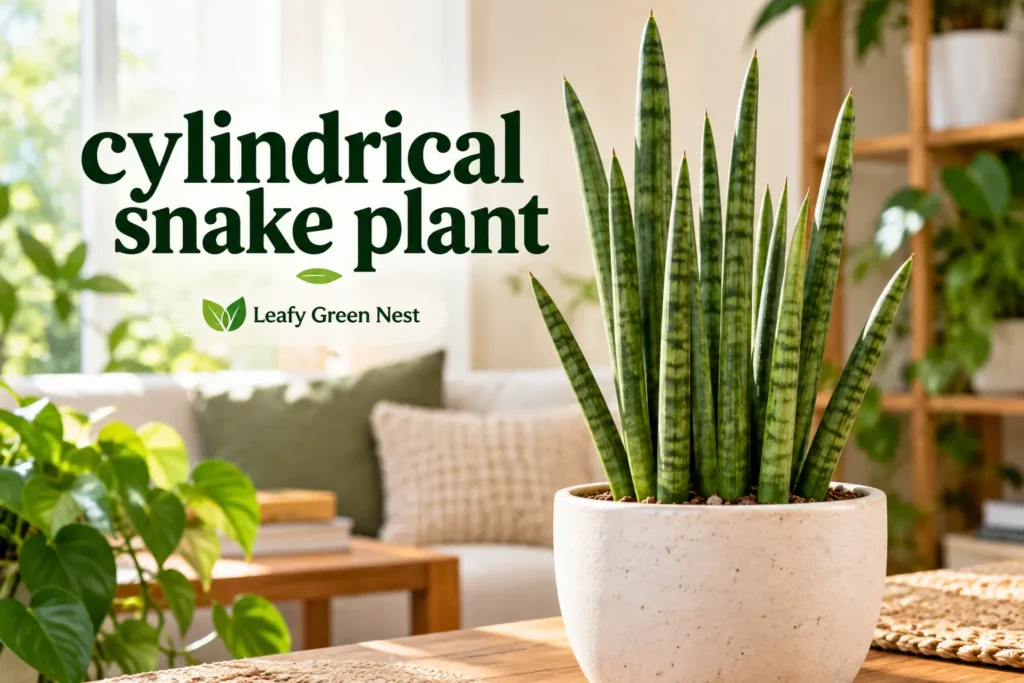
Have you ever wanted a houseplant that looks different from the usual leafy green plants but does not demand attention every day? The cylindrical snake plant might be exactly what you need.
Also known as the African spear plant, this unusual succulent stands out because of its long, round, spear-shaped leaves. Unlike traditional snake plants with flat leaves, its foliage grows in thick, upright cylinders.
It is a popular choice for modern homes, offices, and small indoor spaces. It also handles dry conditions better than many tropical houseplants. However, it still needs the right light, soil, and watering routine to stay healthy.
Whether you are buying your first plant or adding another succulent to your collection, understanding its needs will make growing it much easier.
Table of Contents
Cylindrical Snake Plant Overview
The cylindrical snake plant is a distinctive succulent with stiff, round leaves that grow upright. Its unusual shape makes it easy to recognize among other indoor plants.
Its accepted botanical name is Dracaena angolensis. You may also find it sold under its older scientific name, Sansevieria cylindrica.
Both names refer to the same plant.
It belongs to the Asparagaceae family and comes from Angola in Africa. It grows naturally in conditions where water may be limited, which explains why its thick leaves can store moisture.



What Does a Cylindrical Snake Plant Look Like?
Instead of flat, sword-shaped leaves, this plant produces long, cylindrical leaves with pointed tips. They usually have a grey-green color with darker green horizontal bands.
The leaves grow from underground stems called rhizomes. These are thick, horizontal structures that store energy and help the plant produce new shoots.
A healthy plant may develop a fan-like arrangement of upright leaves. Some varieties have shorter, compact growth, while others produce taller spears.
The plant can reach around 0.9 to 1.2 meters in height under suitable growing conditions, although indoor growth depends on the variety and environment.
Cylindrical Snake Plant Benefits
Why do so many people choose this plant for their homes? Its main advantages are its unusual appearance, drought tolerance, and relatively simple care needs.
Some important benefits include:
- Low maintenance: It does not need frequent watering.
- Space-saving growth: Its upright leaves make good use of vertical space.
- Decorative appearance: Its unusual shape adds texture to modern interiors.
- Drought tolerance: Its thick leaves store water for dry periods.
- Beginner-friendly care: It can handle occasional missed watering better than many thirsty houseplants.
It is also an attractive option for people who want a natural decorative feature without filling every corner with large, spreading foliage.
However, avoid buying it solely for claims about air purification. A houseplant can add greenery to a room, but it should not replace proper ventilation or an air purifier.
Cylindrical Snake Plant Indoor Growing Requirements
Growing a cylindrical snake plant indoors is fairly simple once you understand its natural growing habits. The main goal is to provide enough light, prevent soggy soil, and protect the plant from extreme cold.
This plant works well in living rooms, bedrooms, offices, and other bright indoor spaces. You do not need a greenhouse or a complicated gardening setup.
A suitable location near a bright window is often enough.
Keep these basic requirements in mind:
| Growing Factor | Ideal Conditions |
|---|---|
| Light | Bright, indirect light |
| Water | Water when the soil dries |
| Soil | Well-draining succulent mix |
| Temperature | Warm indoor conditions |
| Humidity | Average household humidity |
| Fertilizer | Light feeding during active growth |
| Pot | Container with drainage holes |
Light Requirements
Light plays an important role in healthy leaf growth. Although this plant tolerates some shade, it generally grows better with good natural light.
Place it near an east-facing window or a bright location where it receives filtered sunlight.
It can also grow near a south- or west-facing window if you protect it from strong afternoon sun.
Can it survive in low light?
Yes, but surviving and thriving are different things.
In a darker room, growth may slow down. New leaves may also take longer to appear. If the plant receives too little light for a long period, its overall growth can become weak.
A few practical tips:
- Place it near a bright window.
- Avoid sudden exposure to intense direct sunlight.
- Rotate the pot occasionally for balanced growth.
- Use a suitable grow light if natural light is limited.
Think of light as the plant’s daily energy source. A brighter location helps it maintain healthy growth without requiring more water.
Watering the Cylindrical Snake Plant
Overwatering is one of the biggest mistakes people make with snake plants. Their thick leaves hold moisture, so they do not need frequent watering.
The best approach is to check the soil before adding water.
Push your finger into the potting mix. If the soil still feels damp, wait. If it has dried out, water thoroughly until excess water drains through the bottom.
As a general starting point, watering may be needed every few weeks during warmer months and less often during winter. Your room temperature, light, pot size, and soil mix will affect the timing.
What happens if you water too often?
The roots remain wet for too long. This reduces airflow around them and increases the risk of root rot.
Watch for these warning signs:
- Soft or mushy leaves
- Yellowing near the base
- A foul smell from the soil
- Dark, damaged roots
- Leaves falling over unexpectedly
Remember, a dry-looking soil surface is only one clue. Check deeper into the pot before watering.
Soil and Potting
Good drainage is essential for this succulent. Its roots need moisture, but they should not sit in wet soil for long periods.
A cactus and succulent potting mix is a practical option. You can also improve a suitable potting mix with materials such as perlite or pumice to create more air spaces.
A useful growing medium should:
- Allow excess water to escape.
- Provide enough airflow around the roots.
- Hold some moisture without becoming soggy.
- Support healthy root development.
Choose a pot with drainage holes. Terracotta pots are another useful choice because their porous sides allow moisture to evaporate more easily.
Avoid oversized containers. A pot that holds too much unused soil can stay wet for longer than the plant needs.
For more practical advice on choosing growing media, see the Royal Horticultural Society’s guide to growing sansevierias.
Temperature and Humidity
This plant prefers warm indoor conditions. Average household temperatures usually work well.
Keep it away from cold drafts, air-conditioning vents, and sudden temperature changes. Prolonged exposure to cold can damage the leaves.
It does not need high humidity like tropical plants such as calatheas or ferns.
Do you need a humidifier?
Usually, no. Normal household humidity is generally suitable. Adding extra moisture to the air is rarely necessary for this succulent.
Avoid placing the pot in a constantly damp bathroom unless the space receives enough light and has good airflow.
Fertilizing and Maintenance
The cylindrical snake plant is not a heavy feeder. It can grow without frequent fertilizer applications.
During active growth, you can use a balanced houseplant fertilizer diluted according to the product label. Avoid feeding heavily or applying fertilizer to dry, stressed roots.
A few simple maintenance habits help keep the plant looking tidy:
- Wipe dust from the leaves with a soft, slightly damp cloth.
- Remove damaged leaves with clean pruning tools.
- Check the base for soft or discolored areas.
- Keep the drainage holes clear.
- Rotate the pot occasionally if growth leans toward a window.
Do not cut healthy leaves simply to control their height. Damaged leaf tips will not grow back into their original shape.
Cylindrical Snake Plant Propagation
One of the enjoyable things about owning this plant is that you can grow new plants from an established one. The two main methods are division and leaf cuttings.
Propagation Through Division
Division is usually the easiest method for home gardeners because the new plant already has roots or a developing growth point.
Follow these steps:
- Remove the mature plant carefully from its pot.
- Brush away some soil to expose the underground rhizomes.
- Look for natural sections with healthy roots and leaves.
- Separate the sections using a clean, sharp knife if necessary.
- Plant each division in a small pot with well-draining soil.
- Water lightly and allow the soil to dry between watering sessions.
Avoid pulling the sections apart roughly. Damaged roots and rhizomes can make recovery harder.
Propagation Through Leaf Cuttings
You can also grow new plants from healthy leaves. However, this method requires more patience and may not preserve the original leaf pattern in some variegated cultivars.
Here is the basic process:
- Select a healthy, mature leaf.
- Cut it into manageable sections.
- Mark which end was closest to the base.
- Allow the cut surfaces to dry before planting.
- Place the correct end into a well-draining propagation medium.
- Keep the medium slightly moist, not waterlogged.
- Wait for roots and new shoots to develop.
Why mark the leaf sections? Because planting them upside down can interfere with successful growth.
Leaf propagation can take considerably longer than division. If you want a new plant with less waiting, choose division whenever possible.
Cylindrical Snake Plant Flower and Blooming
Although people mainly grow this plant for its unusual leaves, it can produce flowers under suitable conditions. However, indoor flowering is relatively uncommon.
What Does Its Flower Look Like?
The cylindrical snake plant flower usually appears on a tall stalk that grows from the plant. The flowers are small, tubular, and white or cream-colored.
They may have a pleasant fragrance. Several flowers can grow along the same flower stalk.
The blooms look quite different from the plant’s thick, pointed leaves.
How Can You Encourage Flowering?
There is no guaranteed way to make a cylindrical snake plant bloom indoors.
However, healthy growing conditions can support its natural development.
- Provide enough bright light.
- Avoid excessive watering.
- Use well-draining soil.
- Maintain warm indoor temperatures.
- Avoid unnecessary repotting.
- Feed lightly during active growth.
Do not deliberately stress the plant or leave it without water to force flowering. A healthy plant is more important than getting a flower stalk.
Cylindrical Snake Plant Braided Varieties
Have you seen cylindrical snake plants with several leaves twisted together like a rope? These are often sold as braided snake plants.
The braided appearance is usually created by arranging and tying several young leaves together. It is a decorative growing style rather than a separate species.
Some plants are also sold with painted leaf tips or other decorative finishes.
Before buying one, check the following:
- Leaves should feel firm rather than soft.
- The base should not look black or mushy.
- There should be no obvious signs of pests.
- The soil should not smell unpleasant.
- The leaves should not show extensive damage from tight tying.
A naturally growing plant is often easier to inspect because you can see its normal leaf arrangement.
If you prefer a braided plant, make sure the leaves are not tied so tightly that they become damaged.
Cylindrical Snake Plant Toxicity and Pet Safety
This is an important question if you share your home with pets. The cylindrical snake plant should not be treated as a pet-safe houseplant.
Cylindrical Snake Plant Toxic to Cats: What Should Pet Owners Know?
The North Carolina State Extension Plant Toolbox identifies Dracaena angolensis as having low-severity poisonous characteristics. The ASPCA also lists several other Dracaena species as toxic to cats and dogs.
However, the ASPCA’s general Dracaena listing does not specifically identify Dracaena angolensis. Therefore, it is important not to treat the two records as exact species-specific confirmation.
The safest approach is to keep the cylindrical snake plant away from cats and other pets.
Potential concerns with toxic Dracaena plants include:
- Vomiting
- Drooling
- Reduced appetite
- Diarrhea
- General discomfort
The ASPCA identifies saponins as the toxic principles in the Dracaena species covered by its listing.
How to Protect Cats Around Snake Plants
If you have curious cats, place the plant somewhere they cannot reach.
A tall plant stand may help, but remember that cats can jump and climb. A closed room or inaccessible area is a safer choice.
If your cat chews or swallows part of the plant, contact your veterinarian for advice. Do not wait for symptoms to appear.
You can also choose genuinely pet-safe indoor plants when selecting greenery for a home with animals.
Common Cylindrical Snake Plant Problems and Solutions
Even though this succulent is easy to maintain, it can still develop problems. Most issues come from incorrect watering, unsuitable light, or poor growing conditions.
Yellow Leaves
Yellow leaves often indicate watering problems, especially when the soil stays wet for too long.
Check the soil and roots before making changes. If the roots are soft, dark, or unpleasant-smelling, root rot may be developing.
Reduce watering and replace damaged soil where necessary.
Brown Leaf Tips
Brown tips can develop from physical damage, inconsistent watering, or other growing stresses.
Check whether the plant receives too much direct sunlight. Also inspect the leaves for damage caused by handling or tight decorative ties.
You can trim a damaged tip with clean scissors, but the cut area will remain visible.
Soft or Drooping Leaves
Healthy cylindrical leaves should feel firm.
If they become soft, check the soil moisture immediately. Waterlogged roots are a common cause.
If the soil is completely dry and the plant shows signs of dehydration, water it thoroughly and allow excess water to drain.
Root Rot
Root rot develops when roots remain wet for too long.
The roots may turn dark, soft, and unpleasant-smelling. The plant may also develop yellow leaves or lose its usual firmness.
To address the problem:
- Remove the plant from its pot.
- Inspect the roots.
- Cut away rotten sections with sterilized tools.
- Remove soggy, damaged soil.
- Repot in fresh, well-draining succulent mix.
- Use a container with drainage holes.
Do not immediately return the plant to a wet potting mix.
Pests and Infestations
Although this plant is relatively resistant to many common houseplant problems, pests can still appear.
Watch for:
- Mealybugs: Small white insects that resemble cotton.
- Spider mites: Tiny pests that may leave fine webbing.
- Scale insects: Small, hard bumps attached to leaves.
Inspect the leaves and their bases regularly. If you find pests, isolate the plant and use an appropriate treatment according to its label.
Avoid applying random household chemicals to the leaves.
Best Cylindrical Snake Plant Products to Consider
If you want to add this plant to your indoor collection, choosing the correct variety matters. The products below come from the supplied product list, but they are not all cylindrical snake plants.
The descriptions distinguish the relevant cylindrical option from other snake plant varieties and decorative alternatives.
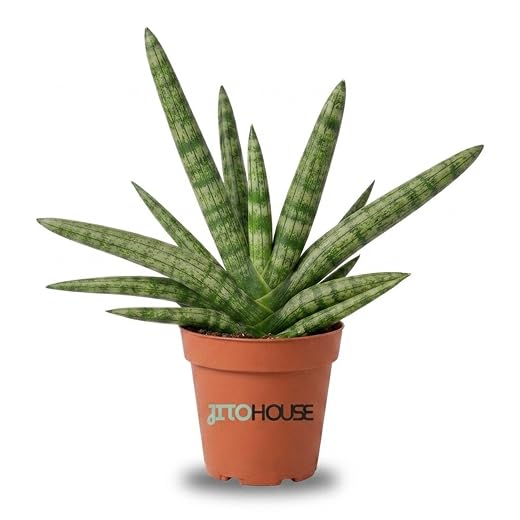
JitoHouse Snake Plant Starfish Sansevieria Cylindrica
This is the most directly relevant option in the supplied product list. It is advertised as a Starfish Sansevieria Cylindrica, making it worth considering if you want a compact-looking cylindrical snake plant. Check the actual plant photographs, leaf shape, root condition, and botanical identification before ordering.
Pros
- Specifically listed as Sansevieria cylindrica.
- Suitable product category for cylindrical snake plant enthusiasts.
- Decorative succulent appearance.
Cons
- The supplied listing does not establish its mature size.
- Its exact cultivar and growing condition need verification.
- Limited supplied customer feedback.
Snake Plant Starfish Sansevieria Cylindrica, Indoor Air Purifying Succulent, Partial Shade, Year Round
Altman Plants Live Snake Plant (Superba)
This live snake plant is a different option for people who like the traditional snake plant appearance. The Superba variety is not the cylindrical species, so consider it as an alternative rather than a replacement for the African spear plant.
Pros
- Live indoor houseplant.
- Traditional snake plant appearance.
- Suitable for people exploring easy-care succulents.
Cons
- Not a cylindrical snake plant.
- Has a different leaf shape.
- Supplied listing does not confirm mature plant dimensions.
Altman Plants Live Snake Plant (Superba), Virtually Indestructible, Easy Succulent Houseplant, 4 in Pot
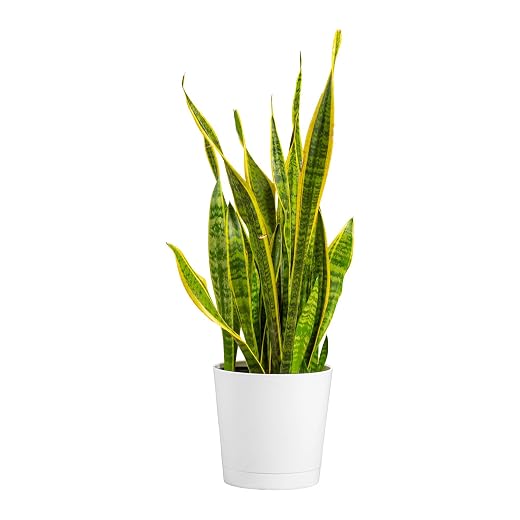
Costa Farms Live Indoor Snake Plant
Costa Farms offers another general snake plant option. It may suit someone who wants an upright indoor plant with a more familiar snake plant appearance. However, the supplied listing does not identify it as Dracaena angolensis, so check the exact variety before purchasing.
Pros
- Live indoor plant listing.
- Suitable for indoor decoration.
- A familiar choice for snake plant collectors.
Cons
- Not confirmed as a cylindrical variety.
- The supplied information does not identify its exact cultivar.
- Does not provide enough detail to assess its specific growing requirements.
Costa Farms Snake Plant, Live Floor Plant, 2-3 Ft. Tall, Decorative Planter
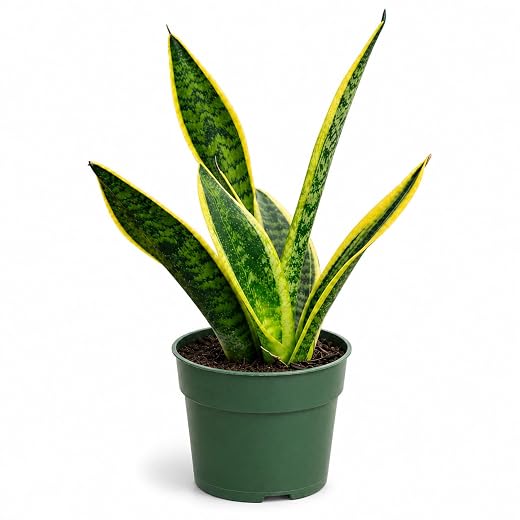
NYGardenia Live Variegated Snake Plant
This plant is described as having green leaves with yellow edges. Its variegated appearance offers something different from the plain green cylindrical snake plant. It is worth considering if you prefer traditional snake plant foliage with more color contrast.
Pros
- Attractive green and yellow leaf pattern.
- Live indoor plant listing.
- Suitable for decorative plant collections.
Cons
- Not identified as Sansevieria cylindrica.
- Different leaf shape and appearance.
- Supplied information does not confirm its mature size.
4 Inch Pot Snake Plant Live, Sansevieria with Yellow-Edged Green Variegated Leaves
California Tropicals Sansevieria Moonshine
Moonshine is another snake plant variety with a different appearance. Its pale, silvery-green foliage creates a softer look than the darker striped leaves of the African spear plant. It is a useful alternative for collectors who enjoy different snake plant varieties.
Pros
- Distinctive silvery-green foliage.
- Live indoor plant option.
- Interesting addition to a mixed snake plant collection.
Cons
- Not a cylindrical snake plant.
- Different leaf structure.
- The supplied listing does not establish its mature growth size.
Sansevieria Moonshine (Trifasciata) - 6'' from California Tropicals
ATZXVIM Artificial Golden Edge Snake Plant
If you want the appearance of greenery without caring for a living plant, this artificial snake plant may be worth considering. It is listed as a golden-edge decorative plant, not a real Sansevieria. It will not grow, produce flowers, or require watering.
Pros
- No watering or fertilizing required.
- Decorative option for indoor spaces.
- Suitable for people who prefer artificial greenery.
Cons
- Not a living plant.
- No natural growth or flowering.
- Does not provide the same experience as caring for a real succulent.
3FT Golden Edge Artificial Snake Plant, 2 Pack Fake Potted Sansevieria Indoor Deco
Is a Cylindrical Snake Plant Worth Growing Indoors?
The cylindrical snake plant is an excellent choice if you want something different from traditional houseplants. Its upright, round leaves create an interesting display, while its drought tolerance makes everyday care fairly simple.
It is especially suitable for beginners, busy plant owners, and people who prefer low-maintenance indoor greenery.
The most important thing to remember is that this plant prefers slightly dry soil over constantly wet roots. Give it enough light, choose a suitable pot, and avoid overwatering.
If you are shopping for one, the JitoHouse Starfish Sansevieria Cylindrica is the most relevant option among the supplied listings. Just verify the plant’s identity and condition before ordering.
With a little attention and the right growing conditions, this African spear plant can become a long-lasting part of your indoor plant collection.
Frequently Asked Questions
Is a cylindrical snake plant easy to grow indoors?
Yes. It is a low-maintenance succulent that tolerates dry conditions. Give it suitable light, well-draining soil, and careful watering.
How often should you water a cylindrical snake plant?
Water when the potting mix has dried out. It generally needs less water during winter than during warmer growing months.
Does a cylindrical snake plant produce flowers?
Yes, mature plants can produce small, fragrant white flowers on a tall stalk. However, flowering indoors is relatively uncommon.
Can you propagate a cylindrical snake plant from leaves?
Yes. You can use leaf cuttings, although division is generally easier. Leaf cuttings may take longer to produce new growth.
Is a cylindrical snake plant toxic to cats?
It should be kept away from cats. Species-specific toxicity information is limited, so consult a veterinarian if your pet chews or swallows it.
Why are my cylindrical snake plant leaves turning yellow?
Overwatering is a common cause. Check the soil and roots for excessive moisture, poor drainage, and signs of root rot.


