
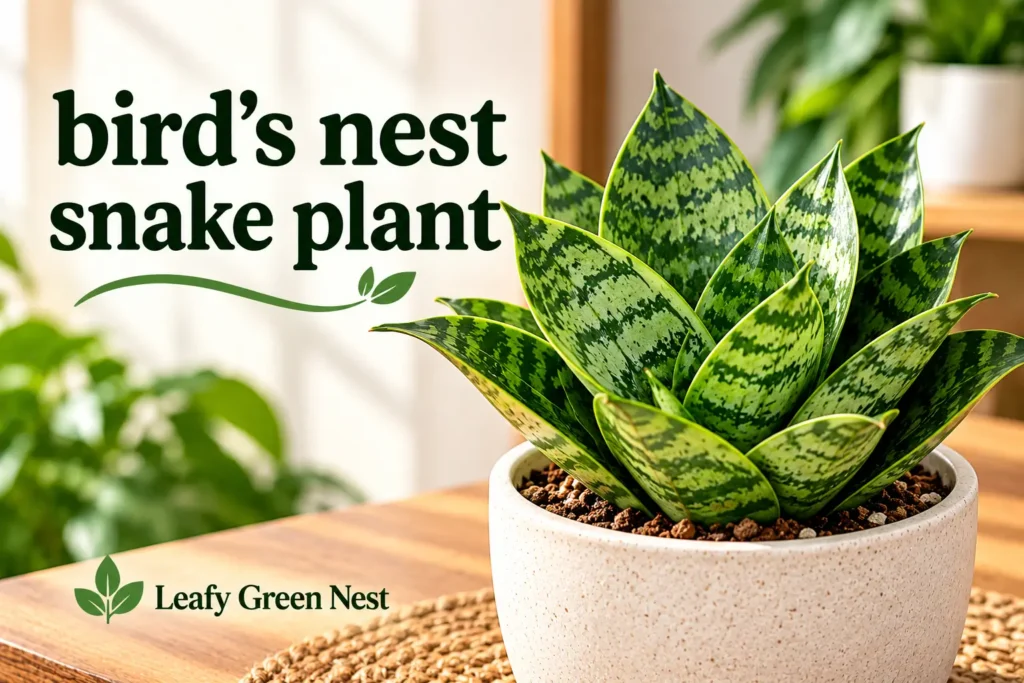
The bird’s nest snake plant is a compact, attractive houseplant known for its short, thick leaves and beautiful circular growth pattern. It is an excellent choice for people who want indoor greenery without spending too much time on plant care.
Also known as Sansevieria hahnii or Dracaena trifasciata ‘Hahnii’, this dwarf snake plant grows in a neat rosette instead of producing long, upright leaves. Its attractive foliage, slow growth, and ability to tolerate low-light conditions make it popular among indoor gardeners.
Whether you want to grow one on your office desk, bedroom shelf, or living room table, this plant is easy to maintain. With the right soil, lighting, and watering routine, it can stay healthy for many years.
Disclosure: This post contains affiliate links. If you purchase through these links, I may earn a small commission at no extra cost to you.
Table of Contents
What Is a Bird’s Nest Snake Plant?
A bird’s nest snake plant is a dwarf variety of the traditional snake plant that grows in a compact, circular shape. Its leaves are thick, pointed, and arranged in a rosette that resembles a small bird’s nest.
The plant belongs to the Asparagaceae family and is native to tropical Africa. Its botanical name is Dracaena trifasciata ‘Hahnii’. Many nurseries still use its former botanical name, Sansevieria hahnii.
Unlike taller snake plants, this variety usually grows around 6–12 inches tall. Its leaves feature different shades of green, including dark green bands and lighter horizontal markings. Some cultivars also have yellow or golden leaf edges.
It is a popular indoor plant because it:
- Requires little watering.
- Tolerates lower-light conditions.
- Grows well in small containers.
- Needs minimal pruning.
- Can live for many years with proper care.
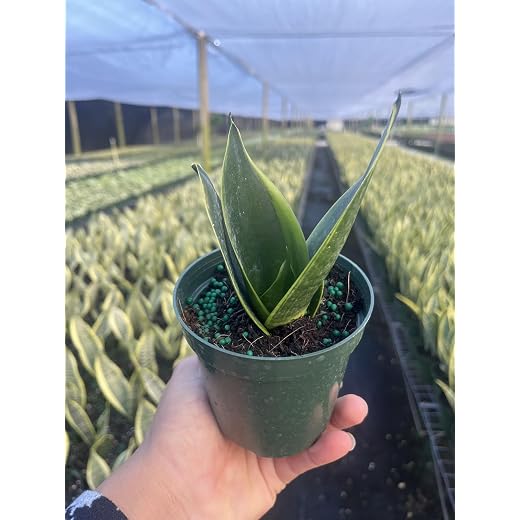


Bird’s Nest Snake Plant vs Snake Plant
The main difference between a bird’s nest snake plant and a regular snake plant is their size and growth pattern. Both are closely related, but their appearance and space requirements are different.
| Feature | Bird’s Nest Snake Plant | Regular Snake Plant |
|---|---|---|
| Growth pattern | Compact rosette | Tall, upright leaves |
| Height | 6–12 inches | Usually 2–4 feet indoors |
| Leaf shape | Short and broad | Long and sword-shaped |
| Space required | Small spaces | Larger spaces |
| Growth rate | Slow | Slow to moderate |
| Maintenance | Low | Low |
| Best placement | Desks and shelves | Floors and corners |
A bird’s nest snake plant is ideal for small apartments, office desks, and shelves. A regular snake plant is better if you want taller greenery that fills an empty corner.
Both varieties are easy to maintain and need similar growing conditions.
Bird’s Nest Snake Plant Care
Bird’s nest snake plant care is simple because this plant stores water in its thick leaves and tolerates occasional neglect. It grows best in bright, indirect light, well-draining soil, and a warm indoor environment.
Here are the main care requirements to help your plant grow properly.
Light Requirements
The bird’s nest snake plant grows best in bright, indirect sunlight. However, it can also tolerate partial shade and low-light conditions.
An east-facing window is often a suitable location because it provides gentle morning sunlight. You can also place it a few feet away from a bright south-facing window.
Follow these lighting tips:
- Provide bright, indirect light whenever possible.
- Avoid strong afternoon sunlight.
- Rotate the pot occasionally for balanced growth.
- Do not keep the plant in complete darkness.
- Move it closer to a window if growth becomes unusually slow.
Although the plant survives in low light, brighter conditions usually support healthier growth and better leaf coloration.
Watering Requirements
Watering is one of the most important parts of bird’s nest snake plant care. This plant does not need frequent watering because its thick leaves store moisture.
Water it only when the soil has dried out completely.
| Season | General watering estimate |
|---|---|
| Spring | Every 2–3 weeks |
| Summer | Every 1–3 weeks |
| Autumn | Every 3–4 weeks |
| Winter | Every 4–6 weeks or longer |
These are estimates, not fixed schedules. Temperature, humidity, pot size, and soil drainage affect how quickly the soil dries.
How to water correctly:
- Check the soil before watering.
- Make sure the soil has dried completely.
- Pour water evenly over the soil.
- Allow excess water to drain through the bottom.
- Empty the drainage tray.
Avoid leaving the plant sitting in standing water because this can cause root rot.
Best Soil for a Bird’s Nest Snake Plant
The best soil for a bird’s nest snake plant is loose, airy, and well-draining. Heavy garden soil can hold excess moisture and damage the roots.
A cactus or succulent potting mix is a convenient option.
You can also prepare your own mixture using:
- 2 parts regular potting mix.
- 1 part perlite or pumice.
- 1 part coarse sand or another suitable drainage material.
Mix the ingredients thoroughly before planting. Choose a container with drainage holes so excess water can escape.
For more growing advice, the Royal Horticultural Society’s guide to growing houseplants is a useful related resource covering indoor plant care and growing conditions.
Temperature and Humidity
The bird’s nest snake plant prefers warm indoor temperatures and average household humidity. It does not need a humidifier or regular misting.
A temperature range of approximately 65–85°F (18–29°C) is suitable for normal growth.
Keep the plant away from:
- Cold drafts.
- Direct air-conditioning airflow.
- Freezing temperatures.
- Sudden temperature changes.
- Heating appliances.
Average indoor humidity is generally enough to keep its leaves healthy.
Fertilizer Requirements
This plant grows slowly and does not need heavy feeding. A balanced liquid houseplant fertilizer can support healthy growth during spring and summer.
Follow these fertilizer tips:
- Use a balanced liquid fertilizer.
- Dilute it to half the recommended strength.
- Feed approximately every 4–6 weeks during active growth.
- Avoid fertilizing during winter.
- Never fertilize a severely stressed plant.
Too much fertilizer can damage the roots and cause brown leaf tips.
Choosing the Right Pot
A suitable pot helps maintain healthy roots and prevents excess moisture from collecting around the plant.
Terracotta pots are a good choice because they allow moisture to evaporate through their porous sides. Plastic and ceramic pots also work if they have drainage holes.
Choose a pot that is slightly larger than the root system. Avoid oversized containers because excess soil can stay wet for too long.
Repotting a Bird’s Nest Snake Plant
Bird’s nest snake plants do not need frequent repotting. They can grow comfortably in slightly crowded conditions.
Repot when roots start coming out of the drainage holes, the plant becomes unstable, or the soil stops draining properly.
Follow these steps:
- Choose a pot slightly larger than the current one.
- Remove the plant carefully.
- Inspect the roots for damage.
- Remove soft or rotten roots with clean scissors.
- Add fresh succulent soil to the new pot.
- Position the plant at the same soil level.
- Fill the gaps and allow excess water to drain.
Spring and early summer are generally suitable times for repotting.
Bird’s Nest Snake Plant Benefits
The bird’s nest snake plant offers several benefits, making it a practical choice for homes and offices. Its compact size, attractive foliage, and low maintenance requirements make it suitable for beginners and experienced plant owners.
Here are its main benefits.
Adds Beauty to Indoor Spaces
The plant’s rounded shape and patterned leaves create a neat, decorative appearance. It looks attractive in ceramic, terracotta, and modern decorative pots.
You can place it on:
- Office desks.
- Bedroom shelves.
- Coffee tables.
- Kitchen counters.
- Window ledges.
- Reception desks.
Requires Little Maintenance
One of the biggest bird’s nest snake plant benefits is its easy-care nature. It does not require daily watering, frequent pruning, or complicated growing conditions.
This makes it a good option for busy people and beginners who want greenery without a demanding care routine.
Tolerates Low-Light Conditions
The plant can survive in areas with limited natural light. However, it grows better when it receives bright, indirect sunlight.
Remember that tolerating low light does not mean it can grow in complete darkness.
Suitable for Small Spaces
Unlike traditional snake plants, the bird’s nest variety stays relatively small. Its compact growth makes it suitable for apartments, small bedrooms, office spaces, and indoor plant collections.
Can Live for Many Years
With suitable light, proper watering, and well-draining soil, a bird’s nest snake plant can remain healthy for many years.
It also produces new shoots from underground rhizomes, allowing the plant to develop a fuller appearance over time.
Does the Bird’s Nest Snake Plant Purify Air?
Snake plants are often marketed as natural air-purifying plants. Laboratory studies have shown that certain plants can remove specific pollutants under controlled conditions.
However, one small indoor plant is unlikely to make a meaningful difference to the air quality of an ordinary room. Proper ventilation and air filtration are more reliable ways to improve indoor air quality.
Bird’s Nest Snake Plant Propagation
Bird’s nest snake plant propagation allows you to grow new plants from an existing one. The two common methods are division and leaf cuttings, although division is usually the better choice for preserving the original plant’s appearance.
Propagation Through Division
Division is the easiest method for most bird’s nest snake plants. The plant naturally produces new shoots from underground rhizomes, which can be separated once they have developed their own roots.
Follow these steps:
- Carefully remove the plant from its pot.
- Remove some soil to expose the roots and rhizomes.
- Find a healthy offshoot with its own roots.
- Separate the offshoot using a clean, sharp knife.
- Allow damaged cut surfaces to dry briefly.
- Prepare a small pot with well-draining soil.
- Plant the separated section in the new container.
- Place it in bright, indirect light.
Each division should have healthy roots and at least one growing point.
New growth may take several weeks to appear, so avoid disturbing the plant repeatedly.
Propagation Through Leaf Cuttings
Leaf cuttings are another way to propagate snake plants. However, this method has an important limitation for variegated bird’s nest varieties.
Some cultivars may produce plain green offspring instead of retaining their original yellow or decorative leaf patterns.
How to propagate through leaf cuttings:
- Select a healthy, mature leaf.
- Cut it into sections several inches long.
- Mark the original bottom end of each section.
- Allow the cut surfaces to dry and form a callus.
- Insert the bottom end into a well-draining propagation mix.
- Keep the cuttings in bright, indirect light.
- Maintain light moisture without waterlogging the soil.
- Wait for roots and new shoots to develop.
Rooting can take several weeks or longer.
Expert tip: Choose division when propagating Golden Hahnii or other variegated cultivars. It is generally more reliable for preserving their original leaf patterns.
Division vs. Leaf Cutting
| Feature | Division | Leaf cuttings |
|---|---|---|
| Difficulty | Easy | Moderate |
| Speed | Generally faster | Generally slower |
| Root development | Existing roots | New roots develop |
| Variegation | Usually preserved | May be lost |
| Best for beginners | Yes | Requires patience |
Bird’s Nest Snake Plant Full Grown: Size and Appearance
A full-grown bird’s nest snake plant usually reaches around 6–12 inches in height, depending on its variety and growing conditions. Its leaves form a dense rosette that becomes fuller as new growth develops.
A mature plant typically has:
- Thick, fleshy leaves.
- Short, pointed leaf tips.
- Dark and light green horizontal bands.
- A compact, rounded shape.
- Yellow edges in some cultivars.
The plant grows slowly, so it may take a few years to develop a fuller appearance.
New shoots can emerge around the parent plant, creating several small rosettes in one container. You can leave these shoots together for a fuller display or separate them through division.
How to Encourage Healthy Growth
To support healthy development, provide bright, indirect light and avoid keeping the soil constantly wet.
Use a suitable succulent mix and feed lightly during spring and summer. Do not expect rapid growth because this is naturally a slow-growing houseplant.
Popular Bird’s Nest Snake Plant Varieties
Several bird’s nest snake plant varieties are available, each with slightly different leaf colors and patterns. Choosing the right variety depends on the appearance you prefer and the availability of healthy plants.
| Variety | Main appearance |
|---|---|
| Green Hahnii | Green leaves with lighter horizontal bands |
| Golden Hahnii | Green leaves with yellow or golden edges |
| Black Robusta | Dark green, compact foliage |
| Silver Hahnii | Gray-green or silvery foliage |
Golden Hahnii is a popular option for people who want more color in their indoor plant collection. Green Hahnii is a good choice for those who prefer traditional foliage.
Plant labels can vary between nurseries, so check the cultivar name before buying.
Bird’s Nest Snake Plant Toxic to Cats and Dogs?
Yes, the bird’s nest snake plant is toxic to cats and dogs if they eat it. It contains natural compounds called saponins, which can cause digestive problems in pets.
Possible symptoms include:
- Vomiting.
- Diarrhea.
- Nausea.
- Drooling.
- General digestive discomfort.
The severity depends on how much plant material an animal consumes.
If you have cats or dogs, place the plant somewhere they cannot reach. If your pet chews or swallows the leaves, contact a veterinarian for advice.
Keep the plant away from young children as well, because its leaves should not be eaten.
Bird’s Nest Snake Plant Price: What Should You Expect?
The bird’s nest snake plant price depends on the plant’s size, variety, condition, and seller. Small nursery plants are usually more affordable, while mature clusters and unusual cultivars may cost more.
Here is a general buying guide:
| Plant size | General price category |
|---|---|
| Small 2–3 inch plant | Budget-friendly |
| Standard 4-inch plant | Affordable |
| Medium established plant | Moderate |
| Large mature cluster | More expensive |
| Rare or variegated cultivar | May cost more |
For context, one retail listing in the product information supplied for this article showed a 4-inch Black Robusta bird’s nest snake plant priced at $19.99. This is an individual listing, not a standard market price.
If you are buying in Pakistan, compare prices at local nurseries and online plant stores in PKR. Imported varieties and decorative pots may increase the total cost.
What to Check Before Buying
Use this checklist to choose a healthy plant:
- Leaves are firm and upright.
- No mushy or black leaf bases.
- No unpleasant smell from the soil.
- No visible pests between the leaves.
- Roots appear healthy.
- Leaf colors and patterns look natural.
- The pot has drainage holes.
- The plant has a reliable variety label.
Avoid plants with widespread yellowing, soft leaves, or signs of root rot.
Common Bird’s Nest Snake Plant Problems and Solutions
Although this plant is generally easy to maintain, unsuitable watering and growing conditions can cause problems. Most issues can be corrected by checking the soil, roots, light, and surrounding environment.
| Problem | Possible cause | Solution |
|---|---|---|
| Yellow leaves | Overwatering | Allow soil to dry and check roots |
| Brown tips | Stress or fertilizer buildup | Adjust care and trim dry tips |
| Mushy leaves | Root rot | Remove damaged roots and repot |
| Slow growth | Low light or natural growth habit | Provide brighter indirect light |
| Drooping leaves | Root problems or damage | Inspect roots and soil |
| Pests | Mealybugs, mites, or scale | Isolate and treat the plant |
How to Prevent Common Problems
- Avoid watering before the soil dries.
- Use well-draining succulent soil.
- Keep the plant away from cold drafts.
- Avoid excessive fertilizer.
- Clean dusty leaves gently.
- Inspect the leaf bases for pests.
- Use a pot with drainage holes.
If the plant develops soft, rotten roots, remove the damaged sections and repot it in fresh soil. Severely rotted plants may be difficult to save.
Is a Bird’s Nest Snake Plant Worth Growing Indoors?
The bird’s nest snake plant is an excellent choice for anyone who wants attractive greenery without demanding maintenance. Its compact size, beautiful leaves, and ability to tolerate lower-light conditions make it suitable for homes, offices, and apartments.
It does not need frequent watering, regular pruning, or complicated growing conditions. Provide well-draining soil, suitable light, and occasional watering to keep it healthy for years.
The most important things to remember are to avoid overwatering, choose the right pot, and keep the plant away from pets that might chew its leaves.
If you want a small, attractive, and beginner-friendly houseplant, the bird’s nest snake plant is a worthwhile addition to your indoor garden.
Frequently Asked Questions About Bird’s Nest Snake Plants
Here are answers to common questions about bird’s nest snake plant care, growth, safety, and maintenance.
What is the difference between a bird’s nest snake plant and a regular snake plant?
A bird’s nest snake plant is a dwarf variety that grows in a compact circular shape. A regular snake plant develops taller, upright leaves and requires more vertical space.
Is a bird’s nest snake plant good for beginners?
Yes. It is an excellent beginner-friendly houseplant because it tolerates low light, requires little watering, and does not need frequent maintenance.
Can a bird’s nest snake plant grow indoors without sunlight?
It can survive in low-light indoor spaces, but it still needs some natural or suitable artificial light. Complete darkness will not support healthy long-term growth.
Should you mist a bird’s nest snake plant?
No. Regular misting is unnecessary because this plant tolerates normal household humidity. Its leaves do not need additional moisture from misting.
Why is my bird’s nest snake plant not producing new leaves?
Slow growth is normal, but low light, cold temperatures, poor roots, and insufficient nutrients during active growth can also limit new leaves.
Does a bird’s nest snake plant flower?
Yes. Mature, healthy plants can occasionally produce long flower stalks with small, fragrant, cream or greenish-white flowers. Indoor flowering is relatively uncommon.


