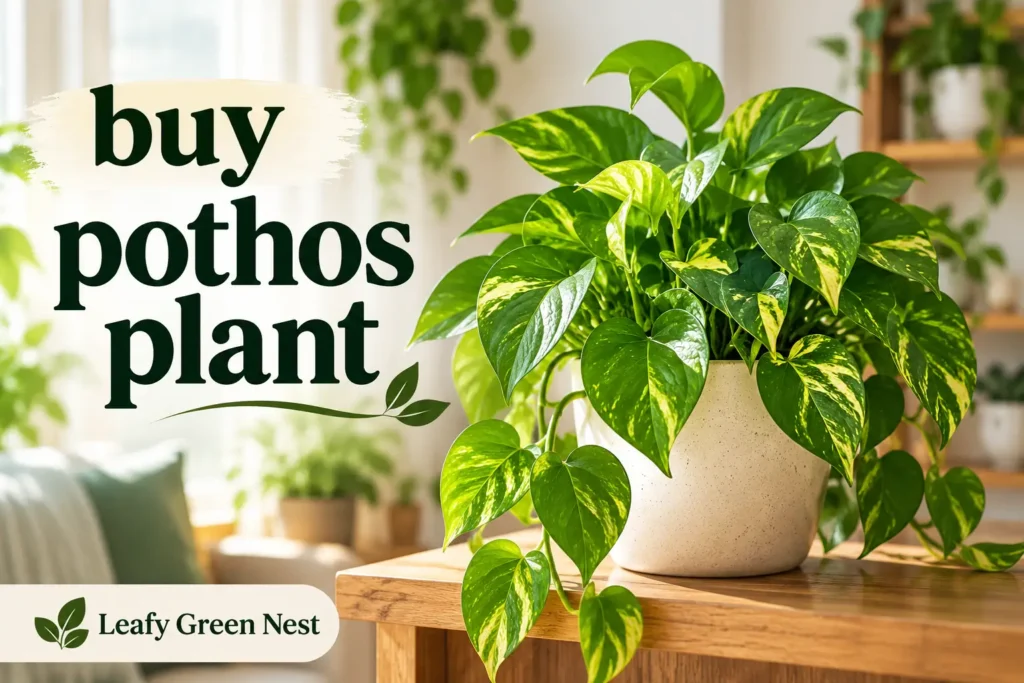
Looking for an easy-care houseplant that adds natural beauty to your home? When you buy pothos plant varieties, you can choose from attractive foliage colors and trailing vines that decorate shelves, desks, and hanging baskets. Pothos is popular with beginners because it tolerates a range of indoor conditions and does not require complicated care.
However, not every pothos plant is the right choice for every home. You need to consider the variety, plant health, available light, and whether you have pets. Buying online also requires checking seller information and shipping conditions. With the right choice, you can enjoy a healthy plant that grows and develops in your space for years.
Disclosure: This post contains affiliate links. If you purchase through these links, I may earn a small commission at no extra cost to you.


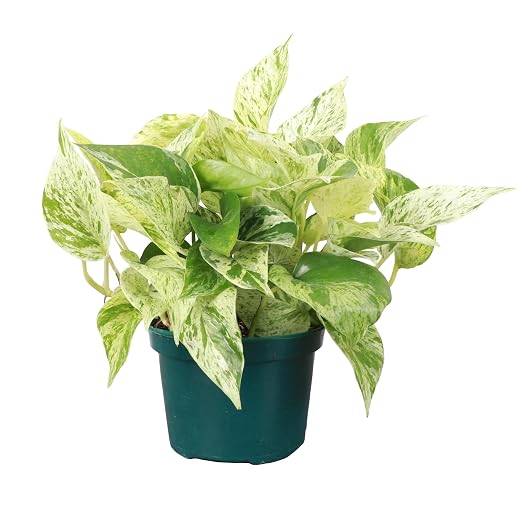
Table of Contents
Where to Buy Pothos Plants Online and Locally
You can purchase pothos plants from local nurseries, garden centers, online plant shops, and general marketplaces. The best option depends on whether you want to inspect the plant before buying, find a particular variety, or have a live plant delivered to your home.
1. Local Nurseries and Garden Centers
A local nursery is a good place to start if you want to buy a healthy pothos plant in person. You can examine the leaves, stems, and soil before deciding which plant to take home.
Look for a plant with firm stems, healthy leaves, and no obvious signs of pests. Ask the seller about the variety, watering needs, and whether the plant has recently been repotted.
Local nurseries may also offer advice suited to your growing conditions. This can be especially helpful if you are new to indoor gardening.
2. Online Plant Stores
Online plant shops are useful when you want to compare varieties or find a particular type of pothos. Some specialist sellers provide detailed care instructions and ship plants directly from their growing facilities.
Before placing an order, check:
- Whether the listing is for a live plant or a cutting.
- The approximate plant size and pot dimensions.
- Whether the pot is included.
- Shipping coverage and delivery estimates.
- The seller’s policy for damaged or unhealthy arrivals.
Remember that photographs may show a mature plant rather than the exact plant you will receive.
3. Amazon and Other Online Marketplaces
Marketplaces can offer convenient access to live pothos plants, starter plants, and multipacks. However, you need to read the listing carefully because artificial plants and live plants may appear in similar search results.
The supplied Amazon results include a live pothos multipack from Plants for Pets and a Golden Pothos listing from Costa Farms. These are examples to investigate, but current listing details, delivery availability, plant size, and seller terms should be confirmed before purchasing.
The live pothos multipack may suit someone who wants several plants, while a Golden Pothos listing may appeal to buyers who prefer a familiar variety. Check whether the listing includes nursery pots, how the plants are shipped, and what size you should expect.
4. Choosing a Local Pothos Seller
A local nursery or online plant seller can be a practical choice when you want to inspect a plant or arrange convenient delivery. Ask for golden pothos, devil’s ivy, or Epipremnum aureum to help identify the plant.
Before buying, check that the plant has healthy roots, suitable potting soil, and no visible pest problems. If ordering through an online marketplace, confirm the plant’s actual size and whether the seller delivers to your area.
Buying tip: A small, healthy plant is often a better choice than a larger plant with yellow leaves, damaged stems, or signs of pests.
Pothos Plant Varieties for Different Indoor Spaces
Pothos plants come in several varieties with different leaf colors and patterns. Choosing the right variety helps you match the plant to your preferred appearance and indoor conditions.
1. Golden Pothos
Golden pothos has green, heart-shaped leaves with yellow or golden markings. It is a popular choice for beginners, hanging baskets, shelves, and plant stands.
Choose it if you want a classic trailing houseplant that is relatively forgiving of occasional care mistakes. It still needs suitable light and careful watering.
Costa Farms Golden Pothos, Live Indoor Plant, Trailing Vine, Air Purifying
2. Marble Queen Pothos
Marble Queen features green leaves with cream or white marbling. Its patterned foliage makes it a good choice if you prefer a lighter, more decorative look.
Give it bright, indirect light to support healthy growth and help preserve its leaf pattern. Avoid assuming that it will perform well in a dark corner.
Live Marble Queen Pothos, Variegated Indoor Plant, 4" Diameter Pot
3. Jade Pothos
Jade pothos has mostly solid green leaves without the prominent yellow or white markings seen in variegated varieties.
Consider it if you prefer a simple green plant for a desk, bookshelf, or hanging planter. Its appearance also makes it easy to combine with other indoor plants.
Generic Pearl and Jade Pothos Starter Plant in 2 inch Pot, Low Light Indoor Vining Plant, Climbing Terrarium Plant, Office, Gift, Home Decor Live Plant,...
4. Neon Pothos
Neon pothos stands out because of its bright lime-green foliage. It can add a vivid accent to a room with neutral furniture or darker decor.
Check the leaf color carefully when buying online. Lighting in product photographs can make the leaves appear more yellow or more vibrant than they look in person.
Pothos 2-Pack Neon Pothos & Marble Queen Pothos Live Indoor Plants in 4-Inch Decorative Pots United Nursery Easy-Care Trailing Houseplants for Office and...
5. Other Variegated Pothos Varieties
Varieties such as N’Joy and other patterned pothos offer different combinations of green, white, and cream markings.
These are worth considering if leaf patterns matter more to you than having the most common variety. Verify the plant’s identity with the seller because similar-looking plants can be mislabeled.
Pothos 2-Pack Neon Pothos & Marble Queen Pothos Live Indoor Plants in 4-Inch Decorative Pots United Nursery Easy-Care Trailing Houseplants for Office and...
How to Choose a Healthy Live Pothos Plant
A plant’s appearance can tell you a great deal about its condition. Take a few minutes to inspect it before purchasing, especially if you are buying in person.
Check the Leaves
Healthy pothos leaves are generally firm and have the color and pattern expected for their variety. A few older yellow leaves do not automatically mean the plant is unhealthy, but widespread yellowing deserves attention.
Look for:
- Firm leaves without extensive browning.
- No unusual spots, sticky residue, or fine webbing.
- No clusters of small insects on the undersides of leaves.
- Consistent leaf color for the variety.
- Stems that are not soft, blackened, or badly damaged.
Avoid plants with extensive leaf damage unless you understand the cause and are comfortable helping the plant recover.
Inspect the Stems and Roots
Stems should generally feel firm rather than mushy. If the nursery allows you to inspect the root ball, look for roots that are firm and free from a foul smell.
Dark roots alone do not always indicate root rot. The texture and smell matter, along with the condition of the soil.
A pot that stays waterlogged can create problems after you bring the plant home. Choose a plant growing in a suitable potting mix with adequate drainage.
Choose the Right Plant Size
Think about where you want to place your pothos.
- Small starter plant: Suitable for a desk, bedside table, or small shelf.
- Established potted plant: Useful if you want fuller foliage from the beginning.
- Long trailing plant: A good fit for a hanging basket or elevated shelf.
- Rooted cutting: An option if you enjoy growing a plant from an early stage.
Do not buy a large trailing plant simply because it looks impressive. Make sure you have enough space, suitable light, and a stable place to support its vines.
Check for Pests
Inspect the stems, leaf joints, and undersides of leaves. Common houseplant pests include mealybugs, scale insects, and spider mites.
New plants should be kept separate from your existing houseplants for a short observation period when practical. This gives you a chance to notice pests before they spread to other plants.
Confirm What Is Included
Online listings may show a decorative pot, moss pole, or stand that is not included with the plant. Read the product description and check the supplied items before ordering.
If the listing says the plant is shipped in a nursery pot, you may need to buy a separate decorative planter.
Buy Pothos Plant Online vs. In-Store
Both buying methods can work well. Your choice depends on whether convenience, plant inspection, or access to specific varieties matters most.
| Factor | Online purchase | Local nursery |
|---|---|---|
| Plant selection | May offer more varieties | Depends on local stock |
| Inspection | Usually limited to photographs | You can inspect the actual plant |
| Convenience | Delivered to your door where available | Requires a visit or local delivery |
| Shipping concerns | Plants may experience transit stress | You can usually take the plant home directly |
| Advice | Depends on seller support | Staff may answer care questions |
| Best suited for | Specific varieties and convenient ordering | Beginners who want to check plant health |
When Should You Buy Online?
Online shopping can be useful if you want a particular variety that local shops do not carry. It also makes it easier to compare descriptions and shipping policies before choosing a seller.
However, live plants can experience stress during transit. Weather, packaging, and delivery delays can affect their condition. Read the seller’s shipping policy and inspect the plant when it arrives.
When Is a Local Nursery Better?
A local nursery is often the simpler option if you want to see the exact plant before buying. You can compare several plants, inspect their leaves, and ask questions about their growing conditions.
If you are new to houseplants, this direct inspection can help you avoid buying a plant with obvious health problems.
Pothos Plant Care After Purchase
Choosing a healthy plant is only the first step. Suitable light, watering, soil, and routine checks will help your pothos settle into its new home.
1. Choose the Right Light
Pothos generally grows well in bright, indirect light. This means a well-lit location where the leaves are not exposed to harsh direct sunlight for long periods.
The plant can tolerate lower light, but growth may slow and variegated leaves may lose some of their contrasting patterns. Avoid placing it in complete darkness or expecting it to grow well without a useful light source.
A position near a window with filtered light is often a practical starting point.
2. Water When the Soil Needs It
Overwatering is a common problem for indoor pothos. Instead of following a rigid weekly schedule, check the soil before watering.
Use this simple method:
- Feel the top layer of the potting mix.
- If the upper portion has dried, check whether the deeper soil still feels wet.
- Water thoroughly when the soil has dried enough for the plant’s needs.
- Allow excess water to drain away.
- Empty any water left standing in the saucer.
The right watering frequency depends on light, temperature, pot size, soil, and season. A plant in a warm, bright room may dry faster than one in a cooler, dimmer location.
3. Use Well-Draining Potting Soil
Pothos needs a growing medium that holds some moisture but allows excess water to escape. Ordinary indoor potting mix can work if it is not too dense and the pot has drainage holes.
If the soil remains soggy for long periods, consider improving the mix and checking the roots. Do not repot immediately just because you have purchased the plant. Repot only when there is a good reason, such as poor soil condition or roots that have outgrown the container.
4. Maintain Suitable Temperature and Humidity
Normal comfortable indoor temperatures are generally suitable for pothos. Protect it from cold drafts, sudden temperature changes, and direct heat from appliances.
Average household humidity is often adequate. You do not usually need a humidifier solely for pothos if the plant is otherwise healthy.
5. Inspect the Plant After Arrival
When an online order arrives, unpack it carefully and check the leaves, stems, soil, and pot. A few damaged leaves can occur during shipping, but widespread wilting, mushy stems, or signs of pests deserve closer attention.
Let the plant adjust to its new location before making major changes to its growing conditions. Keep it away from other plants temporarily if you are concerned about pests.
For additional information, consult a reputable pothos care guide from a botanical garden, university extension service, or horticultural organization. Look for advice covering light, watering, soil drainage, and toxicity.
Benefits and Disadvantages of Pothos Plants
Pothos can be an excellent indoor plant, but it is not suitable for every household. Understanding its benefits and limitations will help you decide whether it fits your space and routine.
Benefits of Having a Pothos Plant
- Beginner-friendly care: Pothos tolerates some variation in indoor conditions, although it still needs proper watering and light.
- Versatile placement: Its trailing vines work well in hanging baskets, on shelves, and in suitable plant stands.
- Variety of appearances: Golden, jade, neon, and patterned types offer different foliage styles.
- Easy to propagate: Healthy stem cuttings can be rooted to grow additional plants.
- Long-term enjoyment: With suitable care, pothos can remain a houseplant for many years.
What Are the Disadvantages of Having a Pothos Plant?
The main disadvantages are its toxicity, watering needs, and potential for pest problems.
- Toxicity: Pothos contains insoluble calcium oxalate crystals. Chewing or swallowing the plant can cause mouth irritation and other symptoms in people and pets.
- Overwatering risk: Constantly wet soil can damage the roots.
- Space requirements: Long vines may need pruning and a suitable location.
- Pest concerns: Mealybugs, scale insects, and spider mites can affect the plant.
- Light limitations: A dark room may keep the plant alive for a while but is not ideal for sustained growth.
If you have pets that chew plants, consider a verified pet-safe alternative or place the pothos where they cannot reach it.
What Is the Lifespan of a Pothos Plant?
A pothos plant can live for many years indoors when it receives suitable care. There is no single lifespan that applies to every plant because growing conditions and maintenance make a difference.
What Helps Pothos Live Longer?
Focus on a few basic habits:
- Provide adequate indirect light.
- Water according to soil moisture rather than a fixed calendar.
- Use a pot with drainage holes.
- Check regularly for pests and root problems.
- Prune damaged or excessively long vines when needed.
- Repot when the roots or soil condition make it necessary.
You can also propagate healthy stems to create new plants. A cutting is a new plant, however, so it does not mean the original plant itself has become younger.
Common Mistakes When Buy Pothos Plants
A little preparation can help you avoid disappointment and unnecessary plant-care problems.
Confusing artificial plants with live pothos: Read the title and description carefully. Terms such as faux, silk, and artificial indicate that the product is decorative rather than living.
Choosing by photographs alone: Product images may show a mature plant. Confirm the actual size, pot dimensions, and whether the listing is for a rooted cutting or an established plant.
Ignoring plant health: Avoid plants with widespread damage, soft stems, visible pests, or persistently waterlogged soil.
Buying the wrong variety: Check the botanical or variety name if you want a specific leaf pattern or color.
Forgetting about pets: Pothos is toxic to cats and dogs. Consider this before placing an order.
Overwatering immediately after purchase: Check the soil first. A newly purchased plant may already have enough moisture, particularly after shipping.
Key Takeaways for Buying a Healthy Pothos Plant
- Buy pothos from a reputable nursery or online seller that clearly identifies the plant.
- Inspect leaves, stems, roots, and soil before purchasing.
- Choose a variety that suits your preferred appearance and indoor light.
- Confirm the plant’s size, pot, and shipping details when ordering online.
- Use well-draining soil and water according to soil moisture.
- Pothos can live for many years with suitable care.
- Remember that pothos is toxic to cats and dogs.
- Compare plant health and seller reliability, not just appearance.
Is It Worth It to Buy Pothos Plant for Your Home?
Buying a pothos plant is a sensible choice if you want an attractive, adaptable houseplant that does not require complicated care. When you buy pothos plant, you can choose from several varieties, including Golden Pothos, Marble Queen, and Neon Pothos, each offering a different foliage style for your home.
Your best option is a healthy plant from a seller that clearly identifies the variety and provides accurate information about its size and growing conditions. A local nursery lets you inspect the plant before purchasing, while a reputable online shop can help you find varieties that are harder to locate nearby.
Before you buy a pothos plant, check that you have a suitable place with indirect light, a pot with drainage holes, and time for basic maintenance. If you have cats or dogs that chew plants, consider a verified pet-safe alternative.
Ultimately, the best pothos plant is one that fits your home, suits your preferences, and can thrive with the care you can provide.
Frequently Asked Questions About Buying Pothos Plants
These common questions cover cost considerations, plant care, lifespan, and where to find a suitable pothos. Use the answers to make a more informed purchasing decision.
How much should a pothos cost?
The cost of a pothos depends on the variety, plant size, maturity, pot, seller, and delivery requirements. Compare similar plants rather than judging value by size alone. A healthy, correctly identified plant is often a better choice than a larger plant with poor roots or damaged leaves.
What are the disadvantages of having a pothos plant?
Pothos is toxic to cats and dogs if chewed or swallowed. It can also develop root rot from overwatering, attract common houseplant pests, and need regular pruning as its vines grow. Households with curious pets should consider a safer plant alternative.
What is the lifespan of a pothos plant?
A pothos can live for many years indoors with suitable care. Good light, careful watering, healthy roots, and occasional pruning support its long-term health. Some plants remain in cultivation for more than a decade, although individual results vary.
Where can I purchase pothos plants?
You can purchase pothos from local nurseries, garden centers, specialist online plant stores, and marketplaces. Check the seller’s reputation, plant size, variety, shipping conditions, and return policy before placing an order. Local sellers may also provide useful care advice.
Is pothos a good indoor plant for beginners?
Yes, pothos is often a suitable choice for beginners because it tolerates a range of indoor conditions and has relatively simple care needs. It still requires appropriate light, well-draining soil, and careful watering to stay healthy.
Are pothos plants safe for cats and dogs?
No. Pothos is toxic to cats and dogs because it contains insoluble calcium oxalate crystals. Chewing it may cause oral irritation, drooling, vomiting, or difficulty swallowing. Choose a verified pet-safe plant if your pets can reach and chew houseplants.