
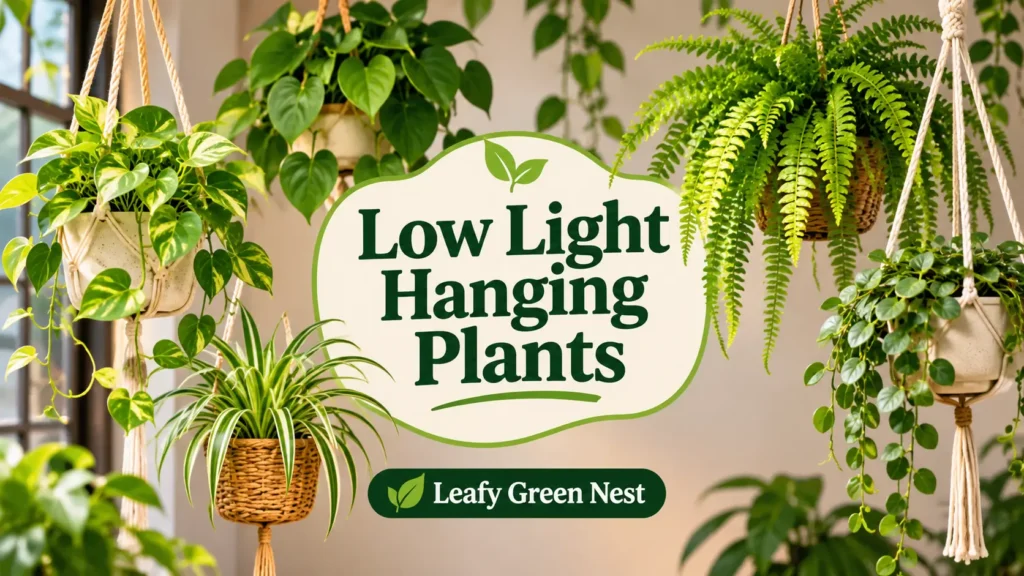
Not every home has large windows or bright sunlight, but you can still enjoy beautiful greenery. Low light hanging plants are an excellent way to decorate empty corners, brighten dull rooms, and bring a natural touch to your indoor space.
Many indoor plants tolerate limited natural light and grow beautifully in hanging baskets, wall planters, and shelves. Some produce long, cascading vines, while others feature delicate leaves that add texture and color to a room.
The secret is choosing plants that match your home’s lighting conditions. From easy-care pothos to pet-friendly spider plants, there are plenty of options for bedrooms, bathrooms, living rooms, and shaded outdoor spaces.
Table of Contents
Best Low Light Hanging Plants Indoor
The best indoor hanging plants for low-light spaces can tolerate indirect sunlight and adapt to normal household conditions. They offer attractive foliage without requiring constant attention or complicated care routines.
Trailing Plants for Indoor Spaces
Trailing plants are ideal for hanging baskets because their stems naturally grow over the sides of containers. These varieties add greenery to empty corners, shelves, and windows without taking up floor space.
Pothos (Epipremnum aureum)
Pothos is one of the most popular hanging houseplants because it grows long, trailing vines and tolerates relatively low light. Its heart-shaped leaves come in several varieties, including Golden Pothos, Jade Pothos, and Marble Queen.
It is an excellent choice for beginners because it does not need frequent watering. Allow the upper soil to dry before watering again, and use a pot with drainage holes.

365 Blooming Decor Realistic Artificial Potted Pothos Ivy Plant(Devil's Ivy), Scindapsus Aureus, Premium Fake Plant for Home, Office Decor, 30" H x 22.8" W,...
Heartleaf Philodendron (Philodendron hederaceum)
Heartleaf philodendron has beautiful heart-shaped leaves that grow along long, cascading stems. It adapts well to moderate and lower indirect light, although brighter filtered light encourages healthier growth.
This plant looks attractive in hanging baskets and on elevated shelves. Trim the vines occasionally to encourage a fuller appearance.

Artificial Syngonium Plant 11 Inch Faux Heartleaf Potted Plant Light Green Indoor Fake Plant in Woven Basket Small Desk Shelf Office Home Decor
Spider Plant (Chlorophytum comosum)
Spider plants have long, arching leaves with green or white stripes. They also produce small baby plants called spiderettes, which hang from their stems and create a natural cascading effect.
They prefer moderate indirect light but can tolerate lower-light conditions. Spider plants are also generally considered non-toxic to cats and dogs.

22.5 Inches 3 Packs Artificial Spider Plant Silk Faux Chlorophytum Comosum Fake Spider Hanging Plant Decor for Outdoor Indoor Home Garden Office Decoration
English Ivy (Hedera helix)
English ivy is a classic trailing plant with small, decorative leaves. Its cascading stems look beautiful in hanging containers, especially in cooler indoor spaces.
It prefers bright indirect light but can tolerate some shade. Keep the soil lightly moist and provide good air circulation. English ivy is toxic to cats and dogs, so keep it away from pets.

31.5" Fake Plants English Ivy in Pot- 2Pack Artificial Silk Ivy Greenery for Home Décor, Tabletop, Office, Shelf, Balcony or Bathroom
Compact and Upright Plants for Hanging Displays
Not every attractive hanging plant needs long, cascading vines. Compact and upright varieties can also look beautiful in elevated planters and decorative baskets.
Parlor Palm (Chamaedorea elegans)
Parlor palm is a slow-growing indoor plant that tolerates lower light better than many tropical palms. Its delicate green fronds create a soft, tropical appearance.
Although it is not naturally a trailing plant, smaller parlor palms look attractive in elevated decorative planters. It is also generally considered safe for cats and dogs.
Peperomia Rotundifolia
Peperomia rotundifolia is a compact trailing plant with small, rounded leaves. Its delicate stems spread over the edges of containers, making it suitable for smaller hanging baskets.
It prefers indirect light and well-draining soil. Allow the upper soil to dry slightly between watering sessions to prevent root problems.
Low-Maintenance Hanging Plants Indoor
Low-maintenance hanging plants are ideal for busy homeowners and beginners who want greenery without spending hours on plant care. Choose varieties that tolerate occasional missed watering and adapt to indoor conditions.
Easy-Care Plant Choices
Some plants need less attention than others and can adapt to ordinary indoor conditions. These options are useful if you want attractive greenery without a complicated care routine.
- Pothos: Tolerates occasional drying and grows attractive trailing vines.
- Heartleaf philodendron: Requires simple care and adapts to indirect light.
- Spider plant: Produces decorative foliage and is easy to propagate.
- Parlor palm: Grows slowly and tolerates lower indoor light.
- Peperomia rotundifolia: Needs relatively little water compared with moisture-loving ferns.
- Swedish ivy: Produces attractive trailing stems and responds well to regular trimming.
The easiest plant is not necessarily the one that needs the least water. Choose a variety that matches your room’s light, temperature, and humidity.
Low Light Hanging Plants for Bathroom
Bathrooms can be suitable for humidity-loving hanging plants because showers and baths increase moisture in the air. However, humidity cannot replace sunlight, so choose a location with enough indirect light.
Humidity-Loving Bathroom Plants
Some hanging plants enjoy the extra moisture found in bathrooms. They can add a fresh, natural look while growing well in suitable indirect light.
Boston Fern (Nephrolepis exaltata)
Boston fern has soft, feathery fronds that create a full cascading appearance. It enjoys humid conditions and looks beautiful in hanging baskets.
Keep its soil consistently moist without allowing water to collect around the roots. It generally performs best in bright, filtered light rather than a completely dark bathroom.

Nearly Natural 48 in Artificial Boston Fern Hanging Plant (Set of 2)
Spider Plant
Spider plants adapt to different indoor environments and can tolerate moderate light. Their arching leaves and hanging baby plants make them attractive bathroom decorations.
They are also a good option for households with cats and dogs.

Sousi Artificial Spider Plant Silk Faux Chlorophytum Comosum Greenery Fake Spider Hanging Plant Decor for Outdoor Indoor Home Garden Office Summer...
Baby’s Tears (Soleirolia soleirolii)
Baby’s tears has tiny, closely packed leaves that form a soft green carpet. Its stems can spill beautifully over the edges of hanging containers.
It prefers humid surroundings, indirect light, and consistently moist soil. Avoid allowing the plant to dry out completely.

Nearly Natural 15in. Ruffle Fern Bush with Burlap Base (Set of 2), Green
Heartleaf Philodendron
Heartleaf philodendron is another attractive option for bathrooms with natural daylight. Its long vines create a relaxed, natural appearance without requiring complicated maintenance.
Keep it away from pets because it contains insoluble calcium oxalates and is toxic when chewed.
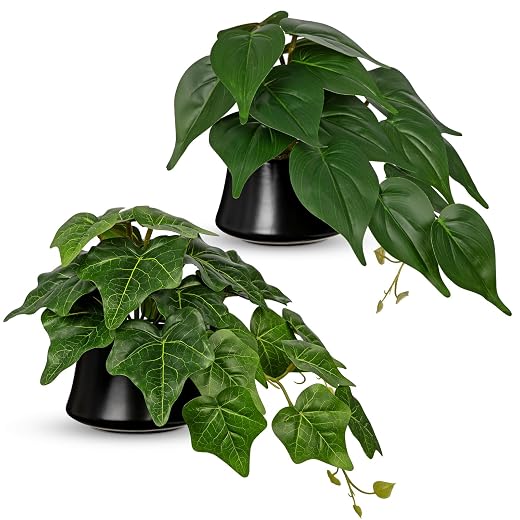
Artificial Potted Plants Set of 2 – Faux Heartleaf Philodendron & English Ivy in Ceramic Pots, Small Fake Hanging Indoor Plants for Shelf, Bathroom, Office &...
Can You Keep Hanging Plants in a Bathroom Without Windows?
Yes, but artificial lighting is necessary for long-term growth. A windowless bathroom does not provide enough natural light for healthy photosynthesis.
Choose a suitable full-spectrum grow light and follow the manufacturer’s recommended lighting schedule. Also, monitor soil moisture because plants may use water more slowly in lower-light conditions.
Low Light Hanging Plants Cat Safe
Pet owners should check plant toxicity before bringing new greenery into their homes. Several beautiful hanging plants are generally considered non-toxic to cats and dogs.
Pet-Friendly Hanging Plant Options
These plants offer attractive foliage while being generally recognized as safer choices for homes with pets. Always check the exact botanical name before purchasing because common names can be confusing.
- Spider plant: Features arching leaves and hanging baby plants.
- Boston fern: Offers soft, feathery foliage and a cascading appearance.
- Parlor palm: Adds tropical greenery and tolerates lower indoor light.
- Peperomia: Many varieties are considered non-toxic to cats and dogs.
- Swedish ivy: Has rounded leaves and attractive trailing stems.
- Rhipsalis: A tropical cactus with unusual cascading stems.
Always confirm the botanical name before purchasing because common plant names can refer to different species.
It is also worth remembering that even non-toxic plants can cause mild stomach upset if pets eat large quantities. Keep hanging baskets secure and prevent animals from chewing the foliage.
Avoid pothos, philodendrons, English ivy, and satin pothos in areas where pets can reach them. These plants can cause irritation or other symptoms when chewed.
Best Hanging Plants for Low Light Indoors: How to Choose
Choosing the right hanging plant depends on natural light, available space, humidity, and your maintenance routine. Understanding these conditions helps you select plants that can grow successfully instead of simply surviving.
Check the Available Light
Understanding your room’s light conditions helps you avoid choosing plants that struggle in dark spaces. Even shade-tolerant varieties need some natural or artificial light to grow.
Observe how much daylight enters your room throughout the day. A north-facing window or shaded corner may suit plants such as pothos and parlor palm.
Remember that low light does not mean complete darkness. Plants still need light to produce energy through photosynthesis.
Consider Watering Requirements
Different plants have different watering needs, so there is no single schedule that works for every variety. Choosing plants that match your routine can make indoor gardening easier.
Some plants prefer slightly dry soil, while others need consistent moisture. If you have a busy schedule, choose adaptable varieties such as pothos, spider plants, and peperomia.
Select Suitable Hanging Containers
The right container supports healthy roots and makes plant care easier. Good drainage is especially important because hanging pots can hold excess water if they lack drainage holes.
Choose lightweight containers with drainage holes and enough space for healthy root development. Decorative pots without drainage can trap excess water and increase the risk of root rot.
Think About Humidity
Humidity affects how well many indoor plants grow, especially tropical varieties and ferns. Matching a plant to your room’s moisture level can help prevent dry leaves and other problems.
Boston ferns and heartleaf ferns prefer humid surroundings, while pothos and spider plants generally adapt better to ordinary indoor humidity.
Check Pet Safety
Some popular houseplants can harm cats and dogs if chewed or swallowed. Checking plant safety before buying helps you make a better choice for your household.
If you have cats or dogs, choose varieties known to be non-toxic. Check the botanical name rather than relying only on a plant’s common name.
For more information about indoor lighting, read the University of Minnesota Extension guide to lighting for indoor plants. It explains how different light levels affect plant growth and when supplemental lighting may help.
Low Light Hanging Plants for Bedroom
Hanging plants can make bedrooms feel more welcoming without taking up valuable floor space. The best bedroom varieties are attractive, relatively easy to maintain, and suitable for the room’s available light.
Bedroom-Friendly Plant Choices
The right hanging plant can add greenery without making a bedroom feel crowded. Consider the room’s lighting, available hanging space, and household pet needs before choosing a variety.
- Pothos: Its long trailing vines look beautiful near shelves and windows. However, it is toxic to cats and dogs.
- Spider Plant: Its striped leaves and small hanging plantlets create a decorative display. It is generally considered pet-friendly.
- Parlor Palm: Its delicate foliage adds a soft tropical appearance and tolerates lower indoor light.
- Peperomia Rotundifolia: Its small, rounded leaves make it suitable for compact bedrooms and decorative hanging pots.
- Heartleaf Philodendron: Its cascading foliage works well in bedrooms with indirect natural light, although it should be kept away from pets.
Make sure hanging fixtures are secure and avoid placing heavy planters directly above beds. Choose a location where you can easily inspect, water, and maintain the plants.
Best Hanging Plants for Low Light Outdoors
Shaded balconies, covered patios, and sheltered porches can support certain hanging plants without requiring direct sunlight. Choose varieties that tolerate filtered daylight and local outdoor temperatures.
Suitable Plants for Shaded Outdoor Areas
Some indoor hanging plants can also grow outdoors when they receive suitable shade and protection. Their success depends on local weather, airflow, and the amount of filtered daylight available.
Suitable choices include Boston fern, spider plant, Swedish ivy, English ivy, and heartleaf philodendron.
Outdoor Growing Conditions to Consider
Outdoor conditions can change quickly, so hanging plants need protection from harsh weather. Pay attention to temperature, wind, rainfall, humidity, and sunlight before choosing a spot.
- Temperature: Protect tropical plants from extreme heat and cold.
- Wind: Strong winds can dry foliage and damage delicate stems.
- Rainfall: Excessive rain can keep potting soil wet for too long.
- Humidity: Some plants need more moisture in the air than others.
- Sunlight: Avoid exposing shade-loving plants to intense afternoon sunlight.
In warmer climates, including Lahore, a shaded balcony with good airflow can be more suitable than an exposed outdoor location. Monitor plants during hot weather because hanging containers can heat up and dry out faster than larger floor pots.
How to Care for Low Light Hanging Plants
Even plants that tolerate shade need proper watering, suitable soil, and enough light to remain healthy. A simple care routine can prevent common growing problems and encourage attractive foliage.
Avoid Overwatering
Overwatering is a common problem because plants in low-light spaces may use water more slowly. Checking the soil before watering helps prevent soggy roots and other moisture-related issues.
Low-light plants often use water more slowly because their growth is slower. Check the soil before watering instead of following a fixed weekly schedule.
Use Suitable Potting Soil
Good potting soil gives roots access to both moisture and air. Different plant varieties need different soil textures, so choose a mix that suits the plant.
Pothos and philodendrons prefer an airy indoor potting mix. Ferns generally need a mix that retains more moisture while still allowing excess water to drain.
Peperomia varieties benefit from a lighter, well-draining growing medium.
Rotate Hanging Baskets
Plants naturally grow toward available light, which can make their growth uneven. Rotating baskets occasionally helps foliage receive light from different directions.
Plants naturally grow toward available light. Rotate hanging baskets occasionally to encourage more balanced growth and prevent one-sided vines.
Prune Damaged Stems
Pruning removes unhealthy growth and helps keep hanging plants neat. It can also encourage fuller growth in some trailing varieties.
Remove yellow leaves and unhealthy growth using clean scissors. Trimming can also help control long vines and encourage fuller growth in suitable trailing varieties.
Maintain Suitable Humidity
Some tropical plants and ferns need more humidity than ordinary indoor air provides. Keeping them away from dry air can help reduce brown leaf tips and other signs of stress.
Ferns and tropical plants may need more humidity than ordinary indoor conditions provide. Keep them away from dry air from air conditioners and heating systems.
Use Grow Lights When Necessary
Artificial grow lights can help plants in rooms with very limited daylight. A suitable full-spectrum LED light can provide extra support when natural light is insufficient.
If your room receives very little natural daylight, a suitable full-spectrum LED grow light can support healthy growth. Follow the manufacturer’s instructions and monitor the plant’s response.
Common Problems With Hanging Plants and Their Solutions
Yellow leaves, weak stems, and slow growth are common problems in indoor plants. Identifying the cause early helps you correct the growing conditions before the plant becomes seriously damaged.
Common Plant Problems and Solutions
Different symptoms can point to different growing problems, including excess water, poor lighting, and dry air. Use the table below to identify possible causes and practical ways to respond.
| Problem | Possible cause | Recommended solution |
|---|---|---|
| Yellow leaves | Overwatering or poor light | Check soil and lighting |
| Brown leaf tips | Dry air or irregular watering | Adjust humidity and watering |
| Long, weak stems | Insufficient light | Move closer to a window |
| Drooping leaves | Underwatering or root damage | Inspect soil and roots |
| Slow growth | Low light or poor conditions | Improve indirect lighting |
| Mushy stems | Excess moisture | Remove damaged parts and improve drainage |
| Pale foliage | Insufficient light or nutrient problems | Review lighting and feeding |
Why Are My Hanging Plants Turning Yellow?
Yellow leaves can be a sign that a plant is not receiving the right growing conditions. Checking moisture, drainage, and light can help you find the cause.
Yellow leaves can develop for several reasons, but overwatering is a common cause. When soil remains wet for too long, roots may struggle to receive enough oxygen.
Check whether the pot drains properly, whether the soil remains wet for several days, and whether the plant receives enough indirect light.
Remove badly damaged leaves and correct the underlying problem rather than automatically adding fertilizer.
Common Mistakes to Avoid When Growing Hanging Plants
Many indoor plant problems come from choosing the wrong location or watering too frequently. Avoiding these mistakes can make plant care easier and help your hanging plants stay healthy.
Mistakes That Can Harm Indoor Hanging Plants
Small care mistakes can affect plant growth over time, especially in rooms with limited light. Knowing what to avoid can help you keep your plants healthy and attractive.
- Assuming low-light plants can survive in complete darkness.
- Watering every plant on the same schedule.
- Using hanging containers without drainage holes.
- Placing humidity-loving ferns in dry rooms.
- Exposing shade-loving plants to strong afternoon sunlight.
- Ignoring signs of pests or root damage.
- Applying too much fertilizer.
- Choosing toxic plants without considering household pets.
One particularly common mistake is assuming slow growth means a plant needs more fertilizer. In many cases, insufficient light is the real problem.
Best Low Light Hanging Plants for a Greener Home
The best low-light hanging plants are those that match your home’s lighting conditions, available space, and maintenance routine. With the right choices, even rooms with limited natural sunlight can feel greener and more welcoming.
Pothos and heartleaf philodendron are excellent choices for beginners, while spider plants and peperomia are worth considering for pet-conscious households. Boston ferns and heartleaf ferns can add beautiful greenery to humid bathrooms with sufficient indirect light.
Before purchasing, check the plant’s light requirements, watering needs, and pet safety. Remember that low-light plants still need some light to grow.
Choose suitable hanging baskets, avoid overwatering, and provide enough indirect light. These simple habits can help your indoor greenery stay healthy and attractive.
Frequently Asked Questions About Low Light Hanging Plants
These common questions cover plant selection, lighting, watering, and indoor growing conditions. The answers can help you choose suitable varieties and avoid common care mistakes.
What are the best low light hanging plants for indoor spaces?
Pothos, heartleaf philodendron, spider plants, parlor palms, and peperomia are popular choices for indoor spaces with limited natural light.
Can low light hanging plants survive without direct sunlight?
Yes. Many indoor hanging plants grow well in indirect light. However, they still need natural or artificial light for photosynthesis.
Which low light hanging plants are safe for cats?
Spider plants, Boston ferns, parlor palms, and many peperomia varieties are generally considered non-toxic to cats.
Are low light hanging plants suitable for bathrooms?
Yes. Boston ferns, heartleaf ferns, spider plants, and baby’s tears can grow in humid bathrooms with sufficient indirect light.
How often should I water low light hanging plants?
Watering depends on the plant species, soil, and environment. Check the upper soil before watering and avoid keeping roots constantly wet.
Why are my low light hanging plants growing slowly?
Insufficient light, overwatering, poor drainage, and nutrient problems can slow growth. Move plants closer to suitable indirect light when possible.


