
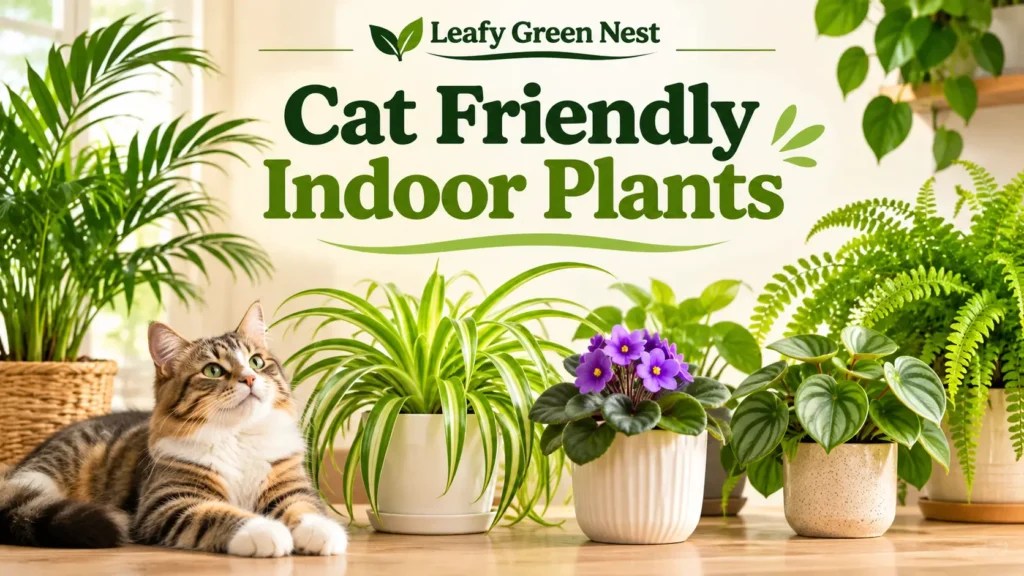
Cat friendly indoor plants are houseplants recognized as non-toxic to cats when touched or accidentally chewed. They allow pet owners to enjoy natural greenery while making safer choices for their homes.
Popular options include spider plants, parlor palms, peperomias, Boston ferns, and African violets. These plants offer different leaf shapes, colors, and growing styles, making it easier to find suitable greenery for almost any indoor space.
However, non-toxic does not mean edible or completely risk-free. Eating large amounts of plant material can still upset a cat’s stomach. Choosing correctly identified plants and monitoring your pet are essential parts of creating a cat-friendly indoor garden.
Table of Contents
Best Cat Friendly Indoor Plants for Every Home
The best cat-safe houseplants combine attractive foliage, manageable care requirements, and verified non-toxic classifications. Here are 15 popular options for different rooms, lighting conditions, and gardening experience levels.
Spider Plant (Chlorophytum comosum)
Spider plants are among the easiest houseplants to grow. Their long, narrow green leaves feature attractive white stripes, creating a cascading appearance that looks beautiful in hanging baskets and decorative pots.
They also produce small baby plants along their stems, making propagation simple.
Care requirements:
- Light: Bright, indirect sunlight.
- Water: When the upper soil feels dry.
- Maintenance: Low.
- Best location: Living rooms, shelves, and hanging baskets.
Spider plants are a popular choice for beginners because they grow easily and adapt to different indoor conditions.

Spider Plant Chlorophytum comosum, Established Live Houseplant - 4 x 2 inch Cups
Areca Palm (Dypsis lutescens)
The areca palm is an attractive tropical plant with long, feather-like leaves. Its full appearance makes it an excellent decorative choice for spacious living rooms and empty corners.
It can also create a tropical atmosphere without introducing a toxic ornamental palm into your home.
Care requirements:
- Light: Bright, indirect sunlight.
- Water: When the upper soil begins to dry.
- Maintenance: Moderate.
- Best location: Large living rooms and bright corners.
Make sure the pot has proper drainage to prevent root problems.

4ft Artificial Areca Palm Tree Plant, 47in Fake Cane Palm, Dypsis Lutescens
Parlor Palm (Chamaedorea elegans)
Parlor palms are excellent indoor plants for apartments and smaller homes. They grow slowly, tolerate lower indoor light, and do not require complicated care routines.
Their delicate green leaves create a soft appearance that works well with modern and traditional interiors.
Care requirements:
- Light: Low to medium indirect light.
- Water: When the upper soil becomes dry.
- Maintenance: Low.
- Best location: Bedrooms, offices, and shaded corners.
This is one of the best choices for people who want greenery without spending too much time on plant care.

Live Parlor Palm Plant, Neanthe Bella Palm, Pet Safe, 4" Pot
Boston Fern (Nephrolepis exaltata)
Boston ferns have soft, arching leaves that create a lush, full appearance. They look particularly attractive in hanging containers and decorative plant stands.
These ferns are considered non-toxic to cats, but they need more attention than some other houseplants.
Care requirements:
- Light: Medium indirect light.
- Water: Keep the soil consistently lightly moist.
- Maintenance: Moderate.
- Best location: Humid rooms with natural light.
Avoid allowing the roots to sit in standing water. Good drainage helps maintain healthy growth.

Nearly Natural 14 in Artificial Boston Fern Set of 6 Indoor Office Plants
Calathea (Goeppertia and Calathea Varieties)
Calatheas are popular for their beautifully patterned leaves. Depending on the variety, their foliage may feature green, pink, purple, or silver markings.
They are excellent decorative plants for people who want something more interesting than ordinary green houseplants.
Care requirements:
- Light: Medium indirect light.
- Water: Keep the soil slightly moist.
- Maintenance: Moderate.
- Best location: Bedrooms and living rooms.
Check the exact botanical identification before buying because similar common names can refer to different plants.

Live Calathea Collection (4 Pack) Rare Green Prayer Houseplants
Peperomia (Peperomia Species)
Peperomia plants are compact houseplants with thick, attractive leaves. They come in different shapes, patterns, and colors, making them suitable for almost any indoor decoration.
Baby rubber plants and watermelon peperomias are particularly popular choices.
Care requirements:
- Light: Medium to bright indirect light.
- Water: Allow the upper soil to dry between watering.
- Maintenance: Low.
- Best location: Desks, bookshelves, and side tables.
Their compact growth and relatively low watering needs make them suitable for beginners.

Peperomia Hope Live Plant, 4 Inch Trailing Indoor Houseplant
African Violet (Saintpaulia)
African violets are beautiful flowering houseplants with blooms in purple, pink, blue, and white. Their compact size makes them ideal for windowsills and smaller indoor spaces.
They are also listed as non-toxic to cats.
Care requirements:
- Light: Bright, indirect sunlight.
- Water: Water carefully when needed.
- Maintenance: Moderate.
- Best location: Windowsills and decorative indoor displays.
Avoid overwatering and try to keep excess moisture away from the leaves.

2 Purple African Violets Live Plant, 4-6" Tall Live African Violets Plant
Money Tree (Pachira aquatica)
Money trees are popular indoor plants with braided trunks and attractive green leaves. Their distinctive appearance makes them suitable for modern living rooms and home offices.
They can grow into medium or large decorative plants, making them useful for filling empty spaces.
Care requirements:
- Light: Bright, indirect sunlight.
- Water: When the upper soil begins to dry.
- Maintenance: Low to moderate.
- Best location: Living rooms and home offices.
Use a pot with drainage holes to reduce the risk of overwatering.

Live Braided 4-in Money Tree Pachira Aquatica Indoor Houseplant in Arcadia Garden Product's Branded Plastic Pot, Tropical Plant Collector Gift for Home and...
Ponytail Palm (Beaucarnea recurvata)
Despite its name, the ponytail palm is not a true palm. It has a swollen trunk and long, curly leaves that give it a distinctive appearance.
It stores water in its trunk, allowing it to tolerate periods without watering.
Care requirements:
- Light: Bright light.
- Water: Allow the soil to dry between watering.
- Maintenance: Low.
- Best location: Sunny rooms and bright corners.
It is a useful option for people who prefer low-maintenance indoor plants.

Ponytail Palm Live Plant, Beaucarnea Recurvata Houseplant, 2in Pot, 2-Pack
Hoya (Hoya carnosa)
Hoya, also known as the wax plant, is a beautiful trailing houseplant with thick, waxy leaves. Some varieties produce clusters of attractive star-shaped flowers.
Its trailing stems look particularly good in hanging containers and on shelves.
Care requirements:
- Light: Bright, indirect sunlight.
- Water: Allow the soil to dry partially.
- Maintenance: Low.
- Best location: Hanging baskets and bright indoor spaces.
Avoid keeping the roots constantly wet.
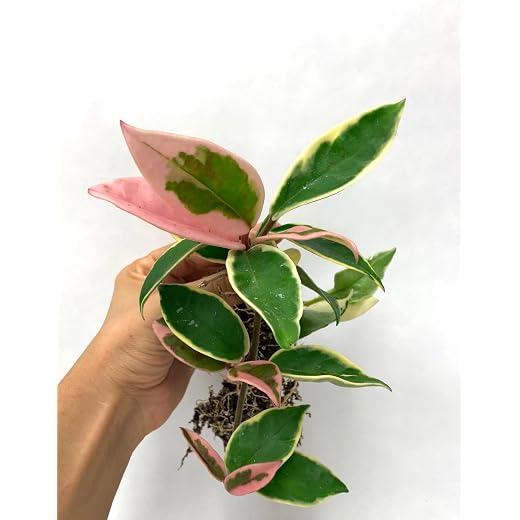
Tricolor Hoya Krimson Queen, Hoya Carnosa Variegata Tricolor Hoya Ships from CA (4" Pot)
Cast Iron Plant (Aspidistra elatior)
The cast iron plant has earned its name because it tolerates conditions that many other houseplants struggle with. It handles lower light levels and occasional missed watering.
Its long, dark green leaves create a simple appearance that suits different interior styles.
Care requirements:
- Light: Low to medium indirect light.
- Water: When the soil begins to dry.
- Maintenance: Very low.
- Best location: Hallways, shaded rooms, and offices.
This is one of the strongest options for beginners who want a forgiving houseplant.

Milky Way Aspidistra Cast Iron Plant | 2 inch | Tropical Ambiance
Prayer Plant (Maranta leuconeura)
Prayer plants are known for their attractive leaf patterns, which often include green, red, and pink markings. Their leaves fold upward at night, giving them their familiar name.
They add visual interest to indoor spaces without requiring direct sunlight.
Care requirements:
- Light: Medium indirect light.
- Water: Keep the soil lightly moist.
- Maintenance: Moderate.
- Best location: Bedrooms and decorative shelves.
Keep them away from heating and cooling vents to prevent excessive drying.

Live Plant, Lemon Lime Maranta, Prayer Plant, Pet Friendly, Pet Safe, Air Purifying Plant, Easy Care, Live Indoor Plant, Houseplant, Rare Indoor Plant,...
Polka Dot Plant (Hypoestes phyllostachya)
The polka dot plant is a colorful houseplant with green leaves covered in pink, red, or white spots. Its compact growth makes it suitable for decorative containers.
It is an attractive option for people who want colorful foliage in their indoor garden.
Care requirements:
- Light: Bright, indirect sunlight.
- Water: Keep the soil evenly moist.
- Maintenance: Moderate.
- Best location: Tabletops and small decorative spaces.
Occasional trimming encourages fuller growth and helps maintain its shape.

Polka Dot Plant Live, 4" Potted Hypoestes Phyllostachya, High-Vigor Low Maintenance Indoor Plant for Windowsills
Christmas Cactus (Schlumbergera Species)
Christmas cactus is a flowering houseplant that produces colorful blooms, often during the cooler months. Its flat, segmented stems make it different from traditional desert cacti.
It is considered non-toxic to cats and works well in indoor containers.
Care requirements:
- Light: Bright, indirect sunlight.
- Water: When the upper soil becomes dry.
- Maintenance: Low to moderate.
- Best location: Windowsills and living rooms.
Avoid leaving excess water in the pot.

Purple Christmas Cactus Live Plant, 4-8" Tall, Holiday Cactus
Phalaenopsis Orchid (Moth Orchid)
Phalaenopsis orchids are elegant flowering plants with long-lasting blooms. Their flowers come in several colors, including white, pink, and purple.
They add a sophisticated decorative touch to indoor spaces and are considered non-toxic to cats.
Care requirements:
- Light: Bright, indirect sunlight.
- Water: When the growing medium approaches dryness.
- Maintenance: Moderate.
- Best location: Dining tables and bright rooms.
Use a suitable orchid growing medium and avoid allowing the roots to sit in standing water.

Stargazer Barn Premium White Phalaenopsis Orchid – Live Plant, 5-Inch Pot
Cat-Friendly Indoor Plants Low Light: Best Choices
Not every home has large windows or plenty of natural sunlight. Fortunately, several cat-friendly houseplants can grow in lower-light environments.
Parlor palms and cast iron plants are particularly good options for shaded rooms. Prayer plants and some calathea varieties can also grow in moderate indirect light.
Best choices for lower-light spaces:
| Plant | Main Benefit |
|---|---|
| Parlor palm | Tolerates lower indoor light |
| Cast iron plant | Handles shaded conditions |
| Prayer plant | Attractive patterned foliage |
| Calathea | Decorative leaves and indirect-light preference |
Remember that low light does not mean complete darkness. All houseplants need some light to remain healthy. If your room receives very little natural sunlight, a suitable grow light may help.
Large Indoor Plants Safe for Cats
Large houseplants can turn an empty corner into an attractive focal point. They also add height and texture to living rooms without requiring complicated decorative arrangements.
Areca palms, parlor palms, and money trees are popular choices for larger spaces. Cast iron plants are another option if you prefer simple green foliage.
Consider the plant’s mature size before purchasing it. Choose sturdy containers with wide bases to reduce the risk of accidental tipping.
Houseplants Safe for Cats and Dogs
Homes with both cats and dogs need plant choices that are suitable for both types of pets. Several popular houseplants are listed as non-toxic to cats and dogs.
These include spider plants, parlor palms, areca palms, Boston ferns, African violets, peperomias, and money trees.
However, always verify the individual botanical name rather than relying on a common plant name. A plant that is safe for one pet species is not automatically safe for another.
Cat Friendly Indoor Plants Low-Maintenance for Beginners
Busy pet owners often prefer plants that do not require daily attention. Fortunately, several cat-safe varieties are relatively forgiving and easy to maintain.
Good beginner-friendly choices include:
- Cast iron plant for its tolerance of lower light.
- Spider plant for its easy growth and simple propagation.
- Peperomia for its compact size and modest watering needs.
- Ponytail palm for its ability to store water.
- Parlor palm for its slow growth and indoor adaptability.
Start with a small collection rather than purchasing many plants at once. This gives you time to understand their individual watering and lighting requirements.
Cat Friendly House Plants Air Purifying: What You Should Know
Many pet owners look for houseplants that are both cat-safe and air purifying. Greenery can certainly make a room feel more attractive and inviting.
However, ordinary potted plants have not been shown to remove indoor air pollution effectively enough to replace proper ventilation.
The NASA Clean Air Study examined how plants remove certain airborne compounds under controlled conditions. Normal homes have different conditions, including larger air volumes and continuous air exchange.
For healthier indoor air, focus on ventilation, regular cleaning, moisture control, and suitable air filtration. Enjoy cat-safe plants for their natural beauty rather than relying on them as your primary air-cleaning solution.
Common Houseplants to Avoid If You Have Cats
Some popular indoor plants can cause serious health problems in cats. Understanding which varieties to avoid is just as important as choosing suitable houseplants.
| Plant | Potential Danger |
|---|---|
| True lilies | Severe kidney failure |
| Daylilies | Severe kidney failure |
| Sago palm | Severe poisoning and liver damage |
| Pothos | Mouth irritation and digestive symptoms |
| Philodendron | Mouth and throat irritation |
| Monstera | Irritation from calcium oxalate crystals |
| Aloe vera | Vomiting and diarrhea |
| Peace lily | Oral irritation and swelling |
| English ivy | Digestive upset |
| Snake plant | Gastrointestinal symptoms |
True lilies and daylilies deserve special attention because even small exposures can cause severe kidney damage in cats. Pollen and water from a lily vase can also be dangerous.
For reliable plant identification and toxicity information, consult the ASPCA Toxic and Non-Toxic Plants Guide.
Always check the scientific name before bringing a new plant into your home.
How to Keep Indoor Plants Safe Around Cats
Even when you choose non-toxic houseplants, taking a few precautions can make your indoor garden safer. The goal is to reduce unnecessary exposure and prevent accidents.
Choose stable plant pots: Heavy containers with wide bases are less likely to fall when cats explore nearby spaces.
Create a designated plant area: Use sturdy stands and secure hanging containers. Remember that cats can climb and jump, so height alone is not reliable protection.
Provide cat grass: Wheatgrass, oat grass, barley grass, and rye grass can offer an appropriate alternative for cats that enjoy chewing greenery.
Avoid harmful chemicals: Store fertilizers, pesticides, and other gardening products in closed containers. Follow product labels and keep pets away from treated plants as directed.
Remove fallen leaves: Clean up dead leaves, broken stems, and fallen flowers regularly to reduce unwanted chewing.
Monitor your cat: Watch for vomiting, diarrhea, excessive drooling, pawing at the mouth, or unusual tiredness after possible plant exposure.
If you suspect your cat has eaten a toxic plant, contact a veterinarian immediately. Do not wait for symptoms or attempt home treatment without professional advice.
Common Mistakes When Buying Cat-Safe Houseplants
Choosing suitable houseplants can be confusing because several varieties have similar common names. Avoiding these common mistakes can help you make safer purchasing decisions.
Trusting common plant names: Always check the scientific name because different plants may share similar names.
Assuming every palm is safe: Areca and parlor palms are suitable options, but sago palms are highly toxic.
Ignoring gardening chemicals: Fertilizers, pesticides, and plant treatments can introduce additional risks even when the plant itself is non-toxic.
Assuming non-toxic means edible: A cat can still experience digestive upset after eating large amounts of plant material.
Relying entirely on hanging baskets: Cats can climb and reach places that appear inaccessible.
Buying without checking plant safety: Verify every new variety before bringing it into your home.
Expert Tips for Creating a Cat-Friendly Indoor Garden
A beautiful indoor garden does not need to put your pet at unnecessary risk. A little planning can help you enjoy greenery while making sensible choices.
- Start with two or three easy-care plants.
- Choose varieties that match your home’s natural lighting.
- Keep a record of your plants’ botanical names.
- Use sturdy containers that are difficult to knock over.
- Keep toxic plants out of your home.
- Introduce new plants gradually and observe your cat’s behavior.
- Provide cat grass as an alternative for cats that enjoy chewing leaves.
- Check plant safety before purchasing additional varieties.
A practical beginner combination is a spider plant, a parlor palm, and a peperomia. Together, they offer different leaf shapes and textures while providing manageable care requirements.
Best Cat Friendly Indoor Plants for a Safer, Greener Home
Choosing cat friendly indoor plants allows you to enjoy natural greenery while making thoughtful decisions about your pet’s safety. Spider plants, parlor palms, peperomias, and African violets are excellent starting points.
If your home has limited sunlight, consider a parlor palm or cast iron plant. If you prefer colorful foliage, try a prayer plant or polka dot plant. For larger spaces, an areca palm or money tree can create an attractive focal point.
Always verify the botanical name before purchasing a plant. Keep toxic varieties away from your cat, avoid harmful gardening chemicals, and contact a veterinarian immediately if poisoning is suspected.
With the right choices and basic precautions, you can create a greener, more welcoming home for both you and your cat.
Frequently Asked Questions About Cat Friendly Indoor Plants
What are the safest indoor plants for cats?
Spider plants, parlor palms, areca palms, Boston ferns, peperomias, and African violets are popular non-toxic choices. Check each plant’s scientific name against a reliable toxicity database before purchasing.
Are cat friendly indoor plants safe if cats chew their leaves?
Non-toxic plants are generally safer than poisonous varieties, but they are not intended as cat food. Eating large quantities of plant material can still cause vomiting or digestive upset.
Can cat-friendly indoor plants survive in low light?
Yes. Parlor palms and cast iron plants are good options for lower-light rooms. Prayer plants can also tolerate moderate indirect light, although no houseplant thrives in complete darkness.
Should I keep houseplants away from my cat even if they are non-toxic?
Yes, whenever possible. Cats can damage plants, knock over pots, or swallow large amounts of leaves and soil. Use stable containers and monitor your cat’s behavior.
Why are lilies dangerous to cats?
True lilies and daylilies can cause severe kidney injury in cats. Even small exposures to pollen or contaminated vase water can be dangerous and require immediate veterinary attention.
Does the ASPCA list houseplants that are safe for cats and dogs?
Yes. The ASPCA provides toxic and non-toxic plant information for cats and dogs. You can check individual plant species to identify suitable options for a multi-pet household.


